

The Rincon Horizons podcast is where we talk about what it means to reach the summit on your leadership journey. We want to help you lead better so your organization can climb higher. Todd and Dylan welcome retired Air Force Major General Tom Kunkel, now COO of the Kyl Institute for National Security, to the podcast.
-
USAF combat search and rescue crews know the enemy gets a vote on when they are needed. These crews train with chaos in mind. General Kunkel takes us from a rescue in Kosovo to leading NATO's airborne early warning force as Russia invaded Ukraine.
He explains how adaptability, training, and trust keep leaders calm under pressure. Plus, why Tucson is poised to become a national security hub. Learn how to lead when the plan falls apart.
The views expressed by our guest are his own and do not necessarily reflect the official policy or position of any branch of the U.S. Armed Forces, the Department of Defense, or the U.S. government.
-
Know when to step in and when to step back.
Ask: Is this a leadership or management problem?
Be excellent at the job in front of you.
Master your craft to earn leadership opportunities.
Leadership lessons are everywhere; you just need to look.
-
Arizona Technology Council: https://www.aztechcouncil.org
WWII with Tom Hanks in Video: https://www.history.com/shows/world-war-ii-with-tom-hanks
WWII with Tom Hanks podcast: https://podcasts.apple.com/us/podcast/world-war-ii-with-tom-hanks/id1896760409
History That Doesn’t Suck podcast with Professor Greg Jackson: https://www.htdspodcast.com/
Secretariat the Movie: https://www.imdb.com/title/tt1028576/
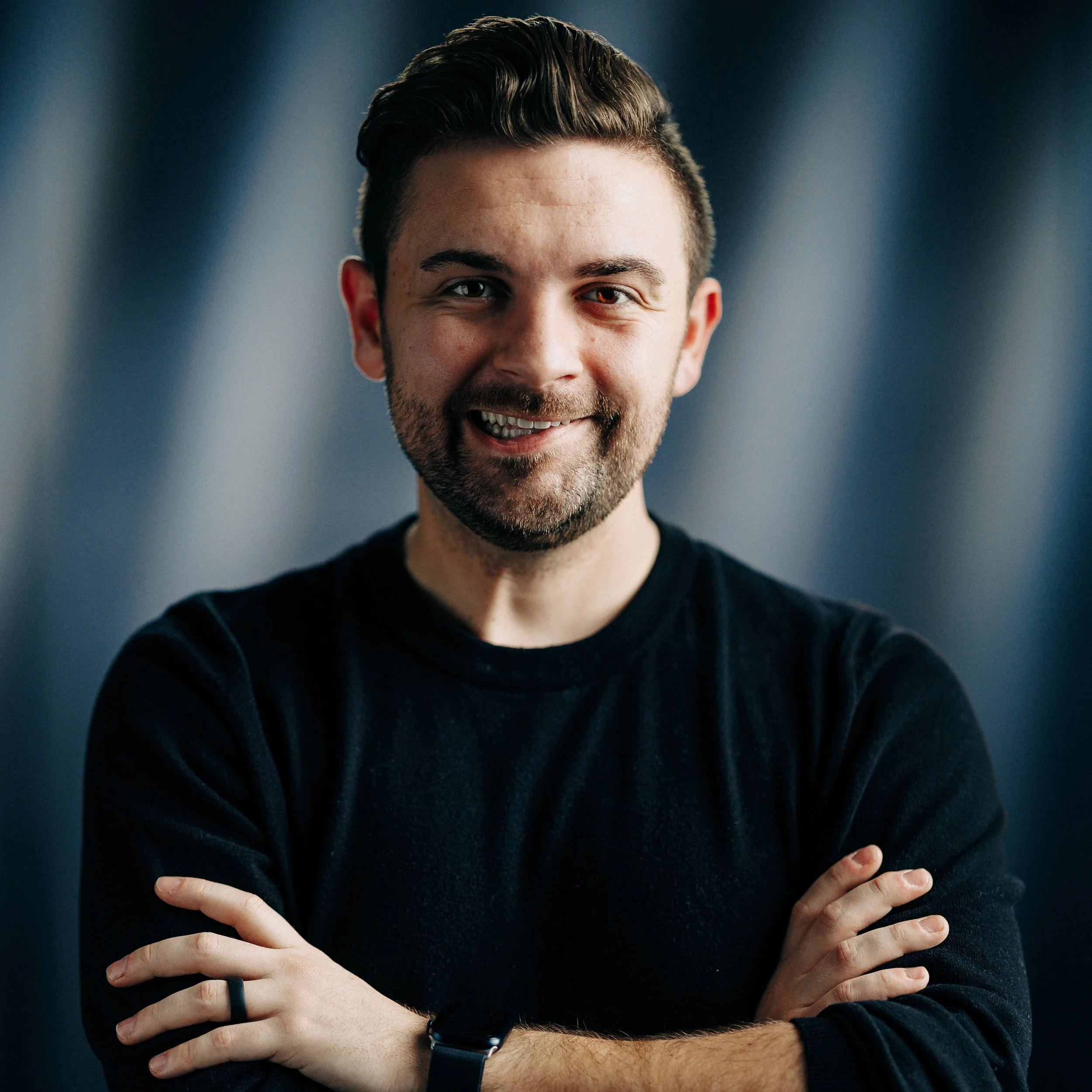
Moderator & Co-Host Dylan Mitchell
Dylan is the Brand Strategist, Creative Director, and Founder of DM.supply. He’s passionate about helping churches, nonprofits, and businesses of all kinds build brands that are clear, meaningful, and built to last.
Find Dylan on LinkedIn at: https://www.linkedin.com/in/dylnmtchll/
DM.supply: https://www.dm.supply
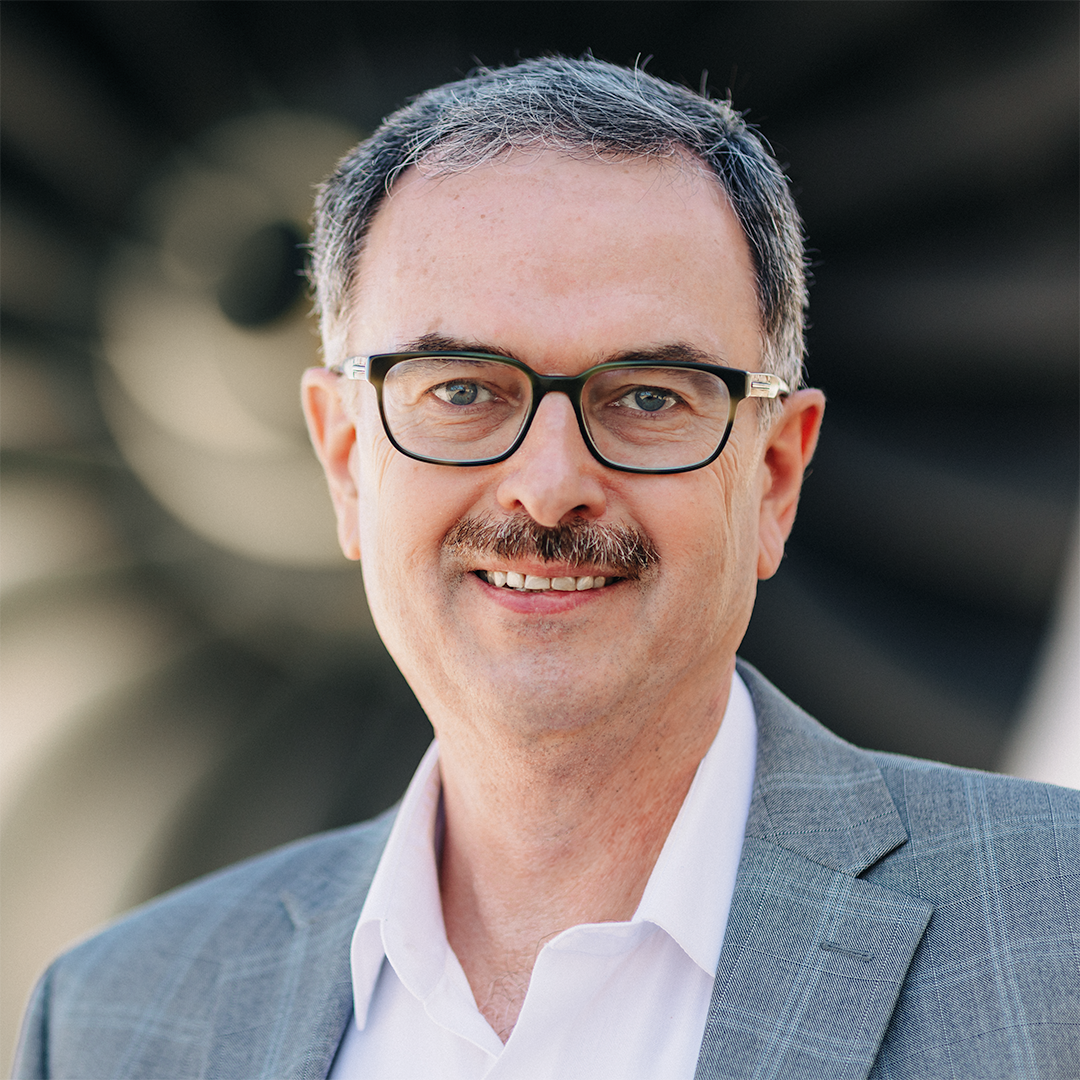
Primary Contributor & Co-Host Todd Tuthill
Todd is the Managing Partner of Rincon Aerospace - A consulting company guiding aerospace and defense companies to exceptional.
Todd is an aerospace executive and systems engineer with more than three decades of experience designing aircraft flight control systems
Find Todd on LinkedIn at: https://www.linkedin.com/in/toddtuthill/
Rincon Aerospace: https://www.Rincon.Aero

Our Guest: Tom Kunkel, Maj Gen (ret), USAF
Tom Kunkel serves as Executive Vice President and Chief Operating Officer at the Kyl Institute for National Security, where he leverages more than 30 years of distinguished service in the U.S. Air Force and NATO. He brings deep expertise in operations, strategy, and leadership from a career dedicated to advancing national security and organizational excellence. His military career culminated as Commander of NATO’s Airborne Early Warning and Control (AEW&C) Force in Geilenkirchen, Germany, providing critical surveillance, command and control, and communications capabilities to NATO and its allies.
Previously, he served as a legislative liaison to the U.S. House of Representatives and as Commander of the 23d Wing and Moody Air Force Base in Georgia. A career aviator, General Kunkel served as a special operations and combat rescue pilot, flight examiner, and weapons officer, and deployed in support of Operations Allied Force, Enduring Freedom–Philippines, Enduring Freedom, and Iraqi Freedom. He holds a Bachelor’s degree from the University of Texas at Arlington and Master’s degrees in Military and Strategic Leadership and National Resource Strategy from the Air Force Institute of Technology and The Eisenhower School, respectively.
Find Gen Kunkel on LinkedIn: https://www.linkedin.com/in/tomkunkel/
The University of Arizona Kyl Institute for National Security: https://kylinstitute.org
-
Train With Chaos in Mind - with Tom Kunkel Part 2
Dylan Mitchell
Hey everyone, I'm Dylan Mitchell and welcome to Rincon Horizons. This is the podcast where we explore the decisions and disciplines and experiences that shape great leaders. Whether you're leading a company, a team, or trying to become a better leader, wherever you are today, our goal is simple. We want to help you lead better so your organization can climb higher.
Welcome back to the Rincon Horizons podcast. We're picking up right where we left off with Rincon Aerospace managing partner Todd Tuthill and retired U.S. Air Force Major General Tom Kunkel. Before we jump back in, one quick note. The views expressed by our guest are his own and do not necessarily reflect the official policy or position of any branch of the U.S. Armed Forces, the Department of Defense, or the U.S. government.
Dylan Mitchell
Tom, as I listen to you talk about the U of A, it it has me wondering, when you look at academia, government, the DOD industry, where do you think we're doing well? and then on the other side of that coin, where do you think we need to do a better job of encouraging people into careers that strengthen our national security?
Tom Kunkel
That's a great question.
I think that one, just continuing to be present, If you've worked in the national security space before, a lot of people they just real they get into it and they re they get a connection to it, They understand what they're actually supporting and the individuals that are out there. I think a lot of people think about it that it's Raytheon's just making missiles. Raytheon is making sure that those folks that volunteer and raise their hand and go downrange to serve are well defended are able to come home to their families. and that national security isn't it's not just weapons, right? It's about the ensuring that we have the ability to go to the gas station and tap my credit card that sends a signal up in space and that signal bounces around, comes back, pulls out some money and comes back down to Earth.
That architecture that supports all that, that is underpinned by our national security. and defending that and making sure that we have the ability to operate that and is extremely important. I think once you kind of dive into national security and get behind the scenes, you realize that. but it's not evident just looking at the surface. I think those folks that have worked in national security, being out there and talking about what they did, what it meant to them, this podcast is a great example of that, of continuing to give back to those that are out there and exposing them to that. I also think that the information age now is so readily available that we have to overcome probably some other noise and things and make sure that not everybody that's a teenager wants to be an influencer, but that they might also want to work in the national security space, and contribute in different ways. That's everything from marketing to, to engineering, to logistics.
I don't think people realize that what alls entail that in the national security space. and so just talking about what it is that we're doing or or that you have done. And it doesn't mean that you continue to work in that space. I wasn't sure that that I wanted to stay working in national security and this job with the Kyl Institute it was something that I hadn't been targeting but I fell into. But the opportunity to work in national security while also working with young researchers that are at the university ha has been incredible and it's not something that I planned for. The ability to talk to students and faculty alike and explain to them what we're doing, I think is key. So just talking about it I think is one of probably one of the key things we could continue to keep doing to inspire young folks to get into this space.
Todd Tuthill
Time, you talk about the Kyl Institute and you chose the Kyl Institute. When I look at your credentials and your ability, there had to have been thousands of different things you could have done, probably some of them that pays a lot more money than the Kyl Institute. But you chose to continue a life of service, paying it forward. You talk about working with young people and students. Why is it important for senior military leaders to continue their life of service after they retire?
Tom Kunkel
I might rephrase that. I don't think it's important that they do. It doesn't matter to me whether you chose to serve four years in an enlistment or thirty-five years. you chose to serve at some point. and I'm thankful for that service, no matter how long or short it was. and what you do afterwards to me is less important.
I'm grateful to those that continue to serve in the national security space and want to do that. and I don't want to say that it's not important, but it can still be continue to be impactful. and so for me that's what I found. I wasn't sure that that's what I wanted to do. I'd kinda always dreamed about doing something else, whether that was open a bike store or something completely different. but I've also always been, I would say, somewhat of an academic nerd.
I always loved working with new technology. and so when the opportunity to work with the university and work on that the new things that they're working on and developing and those concepts in academia, but also with the national security flavor to it, it was something that I couldn't pass up. and something that I just really, really enjoy doing, both from being able to walk in and have the ability to support the researchers and have credibility when I walk into a defense space. to also going back and being able to I I'm definitely not talking and using Greek symbols, but I love learning from the researchers every day and the problems they're trying to solve. and getting just a little bit smarter each day, I hope. Or I'd say maybe a little bit more educated, not smarter.
Dylan Mitchell
In the same vein of conversation as academia as we've been centering on for the past few minutes, every fall, a new class of cadets walks onto the campus of the Air Force Academy. If you had the chance to speak to each one of them before day one, what what's the advice that you'd want them to hear?
Tom Kunkel
I'll broaden that because I didn't go to the academy, so I don't know what they're exactly they're getting into. I was a two year ROTC guy who never thought I would join the military my first three years of college. I would say is that Focus: Be good at today. And I say that for a lot of young officers as well, as soon as you get commissioned. As an academy cadet or a ROTC cadet, Your job is to be a student. Be a good student. Don't worry about what the future might hold of, you know, being a a pilot, an Intel officer, an acquisition person. Be really good at the job you're in right now. and so for those cadets, that's being a student, and invest your time in that. Then once you graduate, get a commission, go on to your technical school, be really, really good at your technical thing.
And to me that's what I've always mentored young folks coming in is that my first assignment as a young pilot, I made sure that that I studied, I mean I wanted to know the aircraft better than anybody else. So I would pick one system, I would pick a radio and I was gonna learn everything I could about that radio, how it worked, what problems it had, how could I troubleshoot it? I went and talked to the maintainers that supported it, so that I could build a base of knowledge and expertise that enabled me to do my job better. by doing that though, you also build credibility with your leadership that's supporting you. so as you become a technical expert, you're gonna rise up and be given different opportunities to lead.
And that's going to come from in the air at flying world, You go from co-pilot, aircraft commander to instructor pilot. but that all starts with having a fundamental sound knowledge of the basics and being good at your technical craft. and then you get the opportunity to lead because of that. and I think for me, those are the first things that people see in any career field. They wanna know that you're really good at the job you're supposed to be doing right now.
So they're gonna give you an opportunity to to learn and expand that and give you more responsibility and increased leadership. so that's my advice to to any cadet starting out or any young lieutenant is be really good at the job you have right today right in front of you.
Dylan Mitchell
I think even that beyond I mean, I know I'm the one who asked the question specifically to Air Force Academy and and cadets, but I think even that nugget of wisdom is applicable to the private sector as well. Be really good at the job you have today.
Tom Kunkel
Absolutely. Opportunities will follow when you're good at that job. right.
Dylan Mitchell
I know we've talked so much today about leadership. and I I know we even talked a little bit about this in the beginning of the show. but towards the end of every one of our shows, we have a moment called the leadership corner. just the idea that every leader has these handful of moments that they can point to and say, that changed the way I lead. could be a success, a failure. but if and and like I said, I know we talked about some of them very early on in the show, but if you had to pick just one. What's the one story that still shapes the way you lead today?
Tom Kunkel
Probably the most consequential of my career was Pedro six six, where I was a deployed squadron commander and had launched a rescue to go rescue some British Marines, a British Marine. and in the course of that rescue the aircraft Pedro six six was shot down. and immediately lost four airmen on board, a fifth one later, out of the seven that were on board. and that was it was probably the most difficult leadership crucible. but I go back and look at it at the time I was a young lieutenant colonel. I had a one-star wing commander who was visiting my base at the time, from Kandahar, Brigadier General Guy Walsh.
And he was there and I was giving him a tour of the compound, the construction projects we were working on, and it was an opportunity to show him the great things that our his rescue airmen were doing. We actually drove down to the flight line when we heard the call to go rescue the marine. and we're usually from the time we get a notification to the time we're airborne was usually about five to seven minutes, because our crews sit on a twenty four seven alert.
We rushed down there to see them launch and take off. and which was which was amazing, right? They do it so well every time with the maintainers and the ops to be able to get that aircraft spun up and rescuing somebody within those couple of minutes. So we watched them take off, then we took back off and went up the hill and we're finishing up our tour. And we got a call about 15, 20 minutes later to come back down to the operations center, and started getting information that possibly one of the helicopters had been shot down. so as we started to work through that, the one star looked at me, the young lieutenant colonel, and he basically said, Hey Tom, right now I work for you. You tell me what you need and I'll make it happen. And so in that I was like, Hey sir, this is what I want. I want, you know, I want airborne I SR I want this, this, this, and he started making phone calls and making things happen.
What I took from that was that knowing when to step in or when to step back is extremely important as a leader. and as I've reflected on a lot of different scenarios from that, we teach it as in our aircraft, from the helicopter, we call it tactical lead. When the flight engineer on the right side of the helicopter sees something and tells the aircraft to break left.
There is no question about it. He's got the most situational awareness and can direct that to go. and he's taken leadership of that aircraft in that moment. and so that carries on throughout my career. And and watching, General Walsh say, Hey, it's time for me to step back you know what you're doing here, I'll just give you resources to support you. and that's carried on with me throughout my career. And then when I was given opportunities of left and right guardrails to go execute a mission.
Hey Tom, this is what I don't want you to do. Accomplish this mission and then go off and do it. and giving you that the space to make those decisions in that room. and so I go back to Pedro 66 because there are so many so many lessons over the course of about four days, and watching senior airmen lead through difficult times, watching a young civil engineer lieutenant
Who I asked a lot of step up and lead in those moments. People will do amazing things when you give them the opportunity to do it. and in a case like that, nobody questioned what or why. They just knew that they had to get the job done. and so for me that was probably the, the biggest leadership lessons came out of those those couple of days of my career.
Not always I'll go back and say not always positive. in some senses, right. It's one of those where as the commander of a unit and you didn't bring everybody home, it sometimes creates a lot of self doubt of did I make the right decisions in the moment? should we have launched on those missions? and so it's given me the opportunity to reflect and and think about those things, and come back and work through them, but also be able to mentor young folks and other folks coming up that find themselves in similar difficult, challenging times.
Dylan Mitchell
Wow, thank you so much for sharing that, Tom. that's a huge takeaway from me from just from this conversation, the when to step in versus the when to step back piece. That's great. before we wrap up, we always like to end with something that's been influencing our thinking lately. It could be a book, a podcast, article, conversation, anything that's changed your perspective or or helped you grow as a leader.
And and Todd, I'd love to start with you. What's something you'd recommend?
Todd Tuthill
Dylan, I've been watching this History Channel series. It's a twenty part series called World War II, narrated by Tom Hanks. I consider myself a student of history. I've studied a lot about World War II, but I'm learning so much about World War II. For instance, I'll take the example of the B twenty nine.
The bomber that would eventually drop the nuclear bombs on Hiroshima and Nagasaki to end the war. but it was so used so effectively against Japan in that war, and something I hadn't thought about were all the logistics and tactics and things that led up to the use of that bomber. It had a combat radius of about sixteen hundred nautical miles.
Back then you don't have an aircraft carrier that you can launch B-29s from. You need real hard bases. And it really describes all the logistics and all the work by thousands and thousands of people who sacrificed, gave their lives to create and set up those bases so that the B-29s could do their job so that the US could win over Japan and putting all that together. and I've just I've seen lots of documentaries. I've never seen one quite like this one that puts all those pieces together. So if you like history, you like world history especially about about World War Two, can't recommend this series enough. That's World War Two from the History Channel.
Dylan Mitchell
That's a great recommendation. And I I may have mentioned in a past episode, I've actually been listening to the podcast version of that one myself. so if you're a podcast guy or girl listening to this episode, we'll make sure to get the links to the show and the podcast in our show notes. Tom, what about you? What's something you've been reading, listening to, or learning from?
Tom Kunkel
Give me a minute. I'm gonna go to you, Dylan.
Dylan Mitchell
Ha ha turn the tables on me. Okay.
Tom Kunkel
I'm but I'm gonna mix it up, yeah.
Dylan Mitchell
I like that. I guess this is my moment to to step in.
Tom Kunkel
Yeah.
Dylan Mitchell
Funny enough, my recommendation for this episode is actually related to your recommendation, Todd. like I said, I haven't watched the World War II with Tom Hanks series, but I have been listening to the podcast version. And during one of the ad breaks, they mentioned a podcast called History That Doesn't Suck. normally I'd skip right through an ad like that.
And this time I didn't, not because I had, you know, a light go off that says, Hey, I should listen to this. It's because I had a screaming child and I couldn't hit the skip button. So I had to listen to the ad. and I'm really glad I stuck around. History That Doesn't Suck is hosted by a professor, his name's Greg Jackson, and he tells American history like a story instead of a lecture. just for me, that's how I tend to learn really well. it's incredibly well researched and really well produced, which I appreciate.
If you're into leadership, military history, or just flat out great storytelling, I think you'll really enjoy it. definitely earned a spot in my regular podcast rotation. And also, just as an aside, I think it's a good reminder that understanding history isn't just about learning what happened. it's about understanding the people and the decisions and the trade-offs that still have something left to teach us.
Tom Kunkel
Love it. I'm gonna go look that one up. I thought I had a good one but I'm not sure now. Listening to you, both of you, I love talking about leadership. I had a mentor of mine that used to describe leadership versus management, because everybody has their own definitions of those. you know, as many humans as there are, there's probably as many definitions.
For him, it was, leadership was about values, vision, inspiration, management as systems, processes, and resources. at the end of the day, either one of those, it comes down to decisions though, and making decisions, and communicating those decisions. otherwise they're just good ideas that float around in your head and never go anywhere.
I love looking at situations and pulling out the leadership that's in them because I think we're surrounded by it, but we want to look in these very specific examples of a senior military person or a CEO, when I think that leadership was all around us. So even watching movies, I try to pull out the leadership lessons in them. And I'm trying to think of the movie now that always comes back to my mind about the horse racing and the horse that won the the Kentucky Derby a long time ago. And it was led by the woman who inherited the farm. Can you tell me, can you remind me of that movie?
Dylan Mitchell
my gosh. Is it it's not Secretariat, is it?
Tom Kunkel
Secretariat. It is Secretariat, right?
Dylan Mitchell
Yeah.
Tom Kunkel
But I mean, even that movie, I love watching it because of the leadership that she demonstrates. She had a vision, and how she led to those visions, making those decisions and doing that. But for me, I try to pull out examples like that every day of whether it's my kids and the things that they're doing, and how they can make a difference by leading,
You know, looking at examples on television, like, that's a really neat story, and let's talk about that one on there. things that you would think have nothing to do with leadership, we're surrounded by them every single day. This podcast and what you guys do is an example of leadership. Todd, you reached out to me, took the lead on that and said, Hey, let's go do this. and I'm so
Todd Tuthill
Yeah. Mm-hmm.
Tom Kunkel
grateful and appreciative for the opportunity to talk to guys about it. and we're surrounded by every day. We just don't often give ourselves enough credit for the work that we are doing.
And so when you think about leadership, think about values, vision, and inspiration. And that's what I hope this podcast provides to a lot of folks. and then management on the system processes and resources side. the two are intertwined and interconnected. you just don't have one without the other. but it's been a pleasure to be able to talk to you guys this morning.
Dylan Mitchell
Thank you so much for sharing that, Tom. I thought that the when to step in versus when to step back nugget was going to be my takeaway and now the leadership versus management. I've I'm like over here with sticky notes taking notes across my desk. So thank you so much. Todd, before we end the conversation, I just I want to ask as as you reflect on the conversation from today, what's one idea you're gonna take with you?
Todd Tuthill
It's really hard just to pick one.
Dylan Mitchell
Yeah.
Todd Tuthill
I'll tell you. You know, I was really looking forward to this conversation because, you look at Tom, I think I think I read your biography history. You have twenty seven hundred flight hours and two hundred and sixty combat hours, something like that. And I think I think I get those numbers right. But just to just to be on a podcast with somebody with that level of experience and Tom, you've been so generous with all those stories and background, and I thank you so much for that. But I guess the thing that I still go back to is your leadership corner.
When you talked about, you're leading around a general, a couple levels above you, and all of a sudden you're you're thrown into the thick of it and the general looks at you and says, Hey Tom, I work for you. and what an incredible example of humility.
I've had the privilege in my career to work with a lot of officers. I've never served myself, but I've had the privilege to work with a lot of officers and I've seen that in senior officers over, over, time and time again. The humility it takes to lead well in those positions. And that that was a big takeaway for me. And Tom, I see your humility as well in how you've led throughout your career, and I thank you for that. Thank you for your friendship, I look forward to getting to know you better through all the work we do here together in Tucson. But thank you so much for today and thank you so much for your willingness to come on the podcast today. I really appreciate it.
Tom Kunkel
Absolutely. And Dylan Todd, thank you guys. I would say don't think that you haven't served. just doing this podcast,
Todd Tuthill
Mm-hmm.
Tom Kunkel
The work you've done in Raytheon, those are ways to serve. you're just wearing a different cloth when you do it. and so very appreciative of what you guys are doing for both Tucson and our national security.
Dylan Mitchell
Tom, we love to let our guests have the last word on the podcast. for the leader listening today, whether they're leading a business, serving in uniform, or just trying to navigate a season of uncertainty, what's one thing you'd want them to remember?
Tom Kunkel
What's the problem you're trying to solve when it comes to leadership? Is it a leadership problem or is it a management problem? Are you trying to fix a broken process system or resource? Or is it something that does with values, vision, or inspiration? my mentor taught me that if it's a management problem, you can typically lead your way through it or create a new management solution. But if it's a leadership problem no matter how many things you change from a management perspective, you're not gonna solve it if it's it has to deal with values, vision, or inspiration.
Dylan Mitchell
Man, that's good. Tom, thanks again for joining us. We really appreciate you sharing your experience and your perspective as well. if you'd like to learn more about Tom or the work being done at the Kyl Institute for National Security, we'll have links in today's show notes. Todd, as always, thanks for another great conversation. And thanks to all of you who are listening. If you found today's episode valuable, we'd love it if you'd share it with a friend, a colleague, or another leader who might benefit from this conversation.
You can learn more about Rincon Aerospace at Rincon.Aero That's R-I-N-C-O-N.aero. And if you'd like to connect with me or learn more about my branding and communications work, you can find me over at dm.supply. For Todd Tuthill and our guest, Tom Kunkel, I'm Dylan Mitchell. Thanks for spending part of your day with us. Keep learning, keep leading, and we'll catch you next time on Rincon Horizons.