

Train With Chaos in Mind - with Tom Kunkel - Part 01
The Rincon Horizons podcast is where we talk about what it means to reach the summit on your leadership journey. We want to help you lead better so your organization can climb higher. Todd and Dylan welcome retired Air Force Major General Tom Kunkel, now COO of the Kyl Institute for National Security, to the podcast.
-
Combat search and rescue means the enemy always gets a vote, so the best crews train with chaos in mind. General Kunkel takes us from a rescue in Kosovo to leading NATO's airborne early warning force as Russia invaded Ukraine. He explains how adaptability, training, and trust keep leaders calm under pressure. Plus, why Tucson is poised to become a national security hub. Learn how to lead when the plan falls apart.
The views expressed by our guest are his own and do not necessarily reflect the official policy or position of any branch of the U.S. Armed Forces, the Department of Defense, or the U.S. government.
-
Know when to step in and when to step back.
Ask: Is this a leadership or management problem?
Be excellent at the job in front of you.
Master your craft to earn leadership opportunities.
Leadership lessons are everywhere; you just need to look.
-
Arizona Technology Council: https://www.aztechcouncil.org
WWII with Tom Hanks in Video: https://www.history.com/shows/world-war-ii-with-tom-hanks
WWII with Tom Hanks podcast: https://podcasts.apple.com/us/podcast/world-war-ii-with-tom-hanks/id1896760409
History That Doesn’t Suck podcast with Professor Greg Jackson: https://www.htdspodcast.com/
Secretariat the Movie: https://www.imdb.com/title/tt1028576/
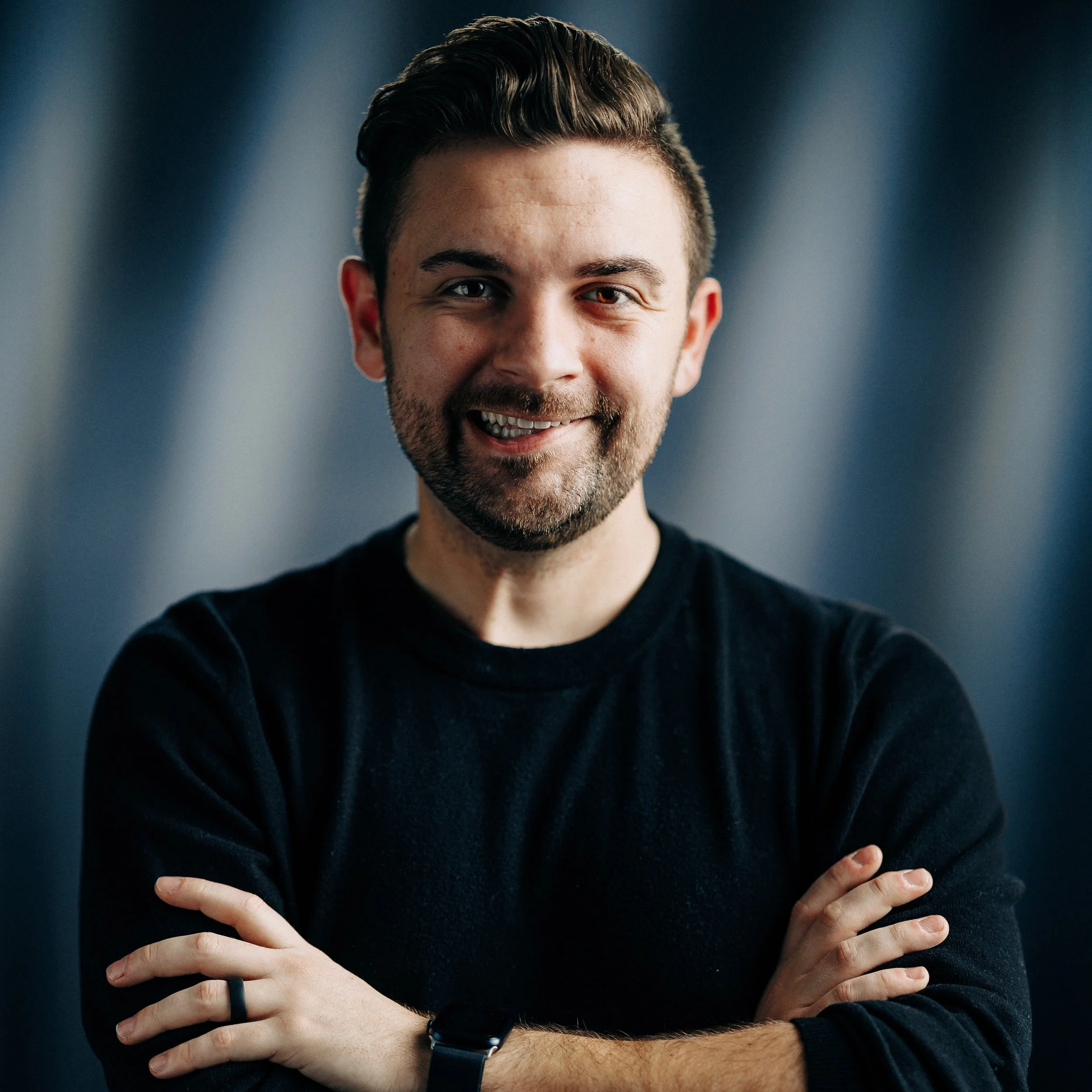
Moderator & Co-Host Dylan Mitchell
Dylan is the Brand Strategist, Creative Director, and Founder of DM.supply. He’s passionate about helping churches, nonprofits, and businesses of all kinds build brands that are clear, meaningful, and built to last.
Find Dylan on LinkedIn at: https://www.linkedin.com/in/dylnmtchll/
DM.supply: https://www.dm.supply
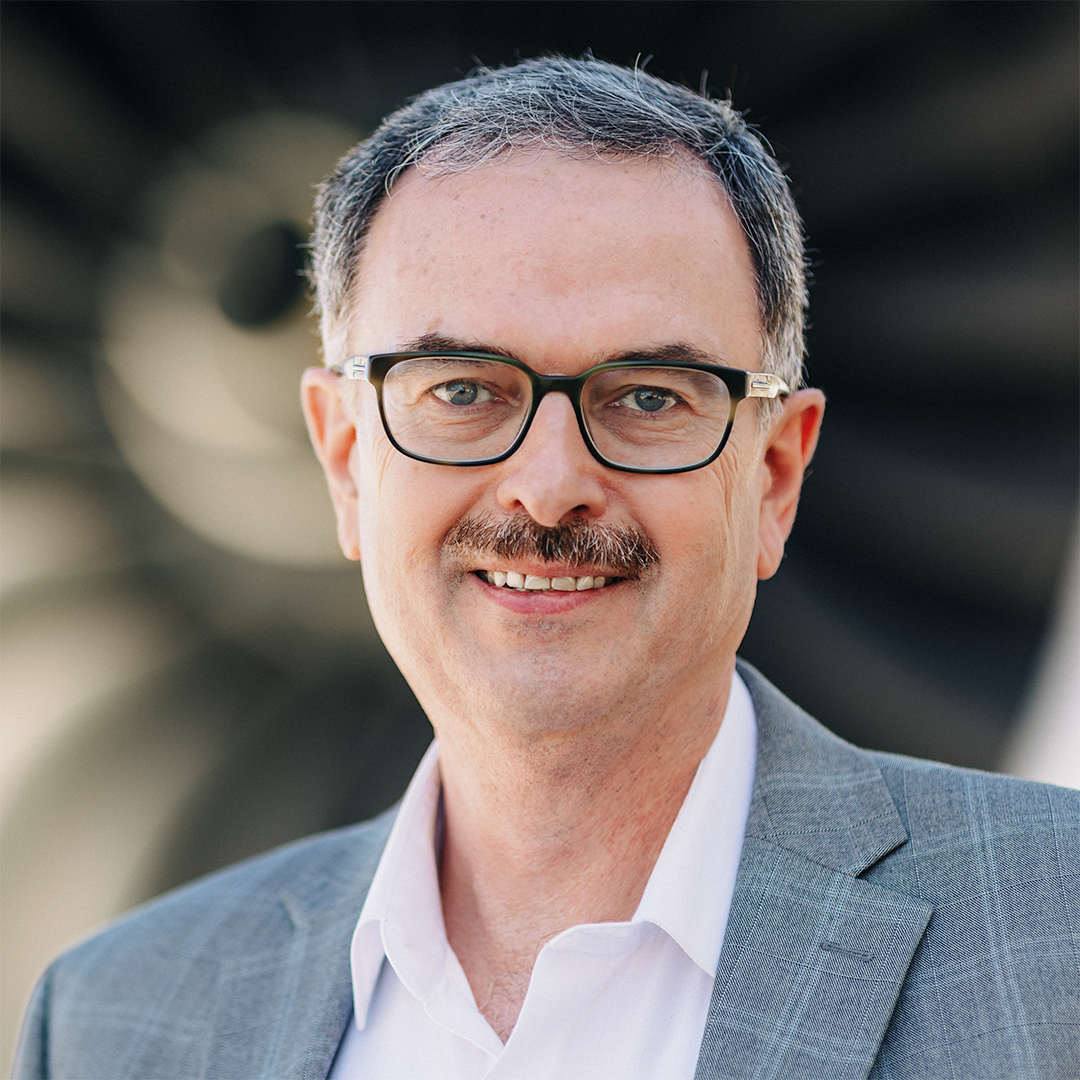
Primary Contributor & Co-Host Todd Tuthill
Todd is the Managing Partner of Rincon Aerospace - A consulting company guiding aerospace and defense companies to exceptional.
Todd is an aerospace executive and systems engineer with more than three decades of experience designing aircraft flight control systems
Find Todd on LinkedIn at: https://www.linkedin.com/in/toddtuthill/
Rincon Aerospace: https://www.Rincon.Aero
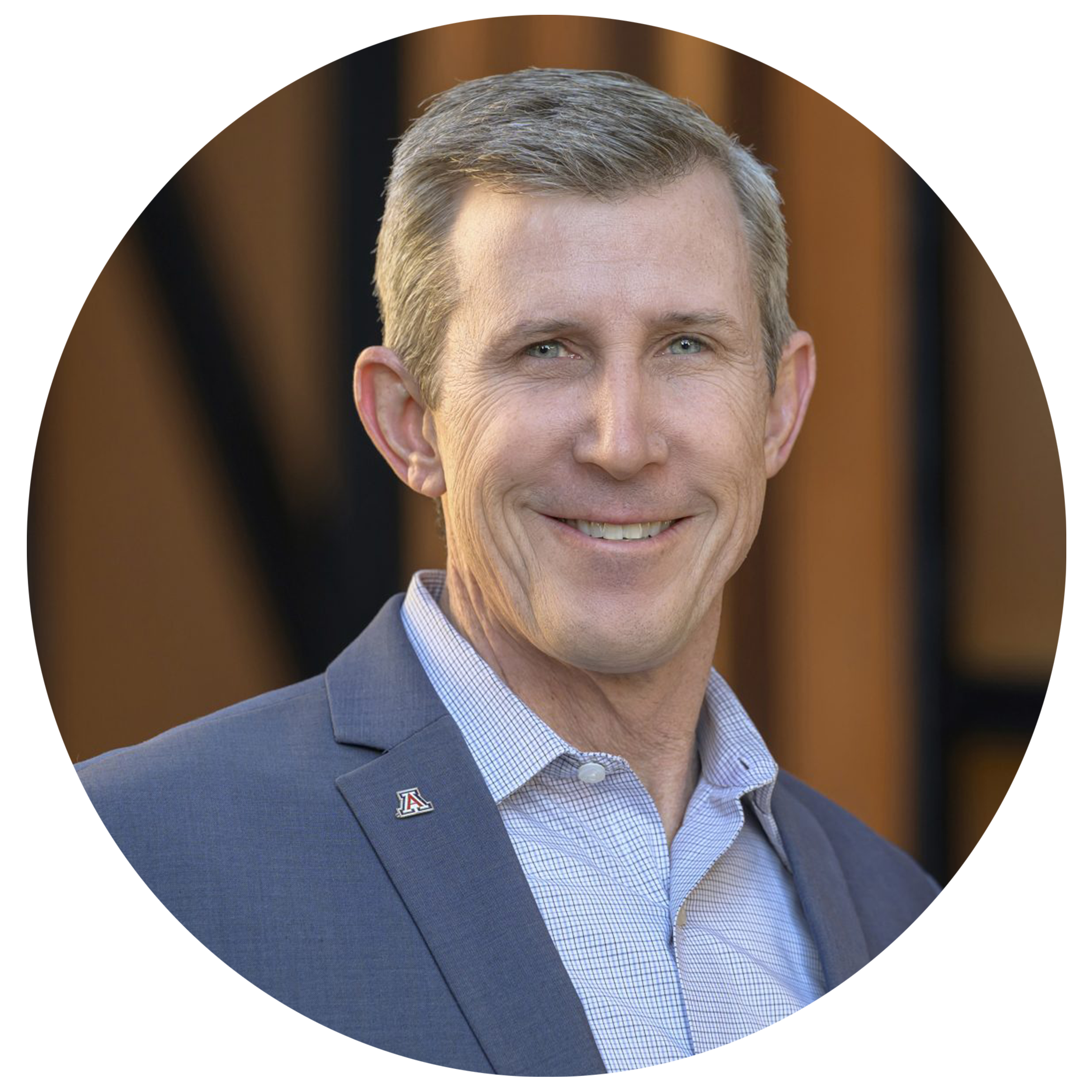
Our Guest: Tom Kunkel, Maj Gen (ret), USAF
Tom Kunkel serves as Executive Vice President and Chief Operating Officer at the Kyl Institute for National Security, where he leverages more than 30 years of distinguished service in the U.S. Air Force and NATO. He brings deep expertise in operations, strategy, and leadership from a career dedicated to advancing national security and organizational excellence. His military career culminated as Commander of NATO’s Airborne Early Warning and Control (AEW&C) Force in Geilenkirchen, Germany, providing critical surveillance, command and control, and communications capabilities to NATO and its allies.
Previously, he served as a legislative liaison to the U.S. House of Representatives and as Commander of the 23d Wing and Moody Air Force Base in Georgia. A career aviator, General Kunkel served as a special operations and combat rescue pilot, flight examiner, and weapons officer, and deployed in support of Operations Allied Force, Enduring Freedom–Philippines, Enduring Freedom, and Iraqi Freedom. He holds a Bachelor’s degree from the University of Texas at Arlington and Master’s degrees in Military and Strategic Leadership and National Resource Strategy from the Air Force Institute of Technology and The Eisenhower School, respectively.
Find Gen Kunkel on LinkedIn: https://www.linkedin.com/in/tomkunkel/
The University of Arizona Kyl Institute for National Security: https://kylinstitute.org
-
Train With Chaos in Mind - with Tom Kunkel Part 1
Dylan Mitchell
Hey everyone, I'm Dylan Mitchell and welcome to Rincon Horizons. This is the podcast where we explore the decisions and disciplines and experiences that shape great leaders. Whether you're leading a company, a team, or trying to become a better leader, wherever you are today, our goal is simple. We want to help you lead better so your organization can climb higher. As always, I'm joined by my co-host and our main contributor, the guy who brings decades of aerospace experience to these conversations.
Todd Tuthill managing partner of Rincon Aerospace. Todd, it's great to have you back.
Todd Tuthill
Thank you, Dylan. It's good to be back. As you said, I'm a managing partner for Rincon Aerospace. At Rincon, we do executive level consulting for aerospace and defense companies. We provide especially small and medium-sized companies with executive level leadership and guidance. Our product is really executive knowledge and experience. but let's talk about our guest today, because talking of
Dylan Mitchell
Let's let's do it.
Todd Tuthill
Talking about knowledge and experience and background, he is incredible. You know, a few months ago, we had a Navy captain and and former Blue Angel on the podcast. I didn't think we could top that. You know, we're kinda doing an Air Force Navy thing. but I think we're topping that today. We have an incredible leader. we have a retired US Air Force Major General with us. He's an incredible leader, an even better person, and someone I'm proud to call a friend. So let's really get on with the show.
Dylan Mitchell
That's right. Today we are joined by retired US Air Force Major General Tom Kunkel. Tom now serves as Executive Vice President and Chief Operating Officer of the Kyl Institute for National Security. But before that, he spent more than three decades serving in the Air Force and alongside NATO in leadership roles across combat rescue, special operations, and airborne command and control. His career took him from fly and rescue missions to leading Air Force wings, serving on Capitol Hill as a legislative liaison, and ultimately commanding NATO's.
Airborne Early Warning and Control Force in Germany during one of the most consequential periods in recent European history. Now, before we jump in, one quick note, the views expressed by our guest are his own and do not necessarily reflect the official policy or position of any branch of the U.S. Armed Forces, the Department of Defense, or the U.S. government. With that said, General Kunkel, welcome to Rincon Horizons. We are so grateful you made the time to join us.
Tom Kunkel
Hey, good morning guys. It's great to be here and I really appreciate you having me on the show. excited to talk with you guys. not sure if we can top a blue angel, but at least we'll have a great conversation this morning.
Dylan Mitchell
Tom, you've you've had an incredible career that's taken you through combat, rescue, special operations, command and NATO leadership, like we just said. when you look back, what are a few of those moments that really shaped you and experiences that maybe had the biggest impact on the leader you've become today?
Tom Kunkel
One of it is just being surrounded by some incredible other leaders that mentored me along the way, gave me opportunities of my own to develop my own leadership style. clearly some of those experiences throughout my career included being a part of the rescue of Hammer Three Four in my first assignment, and that opportunity. my second assignment I was in Iceland and that was really my first experience with what a US Air Force Weapons Officer is in the role model that they demonstrate. that inspired me to go on and and go to weapon school and and be a weapons officer myself. the opportunity to and then go and lead in combat following nine eleven in the Philippines, the rescue of Gracia Berman, being a part of that, and then to come back and be the stand-up of a new unit.
I will say absolutely without a doubt the the best job in the Air Force is get to be a wing commander where you have the most authority, responsibility, and resources at your control to take care of airmen and their families. I'd say some of the other on the not so great side was the the crash of Pedro six six and we lost five airmen that day and leading through that was definitely probably the most difficult time of my career, but also one of the most I learned the most as well.
Todd Tuthill
Tom, you talked about I think you said Hammer three four, is that what you said? The rescue of that. So I'd like you
Tom Kunkel
Yep.
Todd Tuthill
talk about that and talk about combat search and rescue and special operations, because you served as a pilot, an instructor, a commander, a director, but a lot of it was combat search and rescue. And can you talk about that and why that was so important to your career?
Tom Kunkel
Yeah, absolutely. I knew that early on before I even went to pilot training that I wanted to fly helicopters and I wanted to do it in special operations. I just read a couple of books and been exposed to that. So that's the the path that I chose and wanted to go into. And I was lucky enough to get the opportunity to start my career in the fifty-fifth special operations squadron. in Air Force Special Operations Command. We are the only H sixty unit in Air Force Special Operations Command. and during
Shortly after the bombing campaign in Kosovo began in Operation Allied Force, our unit got tapped to go provide search and rescue coverage. not a typical role that we were used to doing, but because of the equipment we had on our aircraft, we got the opportunity to go over there and and be a part of the initial search and rescue team. early on in the war if you remember, we lost an F-117, I think, on day four of that conflict, Dale Zelko.
My roommate at the time was part of the crew that picked him up. And it was just an incredible, incredible night for those airmen to bring home, our most elite capability that we didn't think was could get shot down, and to bring that airman home. that happened on day four, we thought it was gonna be a really busy couple of weeks for the search and rescue team. and fortunately it was just the opposite.
It was really quiet, which is a good thing. our airmen and air force are incredible, but about six weeks went by. and we were sitting alert up in Tuzla Air Base when we got word that another airplane had been shot down. it was an F 16 out of Aviano this time. our team happened to be on alert, and so we got the opportunity to go in and fly and and pick up that individual. every mission is different.
That mission it was a hundred percent a loom. There was a lot of challenges going on with it. with two H fifty threes and one H sixty that I was on. we took a lot the enemy knew we were coming and were ready for us. but it was incredible to be able to to fight our way in and then fight our way out and bring that airman back home. and that happened in my first assignment, right? So that was that really shaped the rest of my career and put me on a different trajectory, I think.
Todd Tuthill
What an incredible way to start your career. And again, incredible service. Thank you for your service, sir.
Tom Kunkel
My it my pleasure. When you love what you do, it's easy. It's not really service at that point. And to be able to go out there and be a part of defending and supporting this great nation is definitely don't look at it as service.
Dylan Mitchell
Tom, as you were describing that, the rescue that you, you and your, team were on alert for, the word picture that was kind of being painted there, obviously high stakes, very intense. How do you as a leader maintain a calm presence in that kind of environment whenever I mean, certainly if you put me in that seat, I'm probably not gonna be the most calm person in that moment. How do you overcome those odds?
Tom Kunkel
I That's where your training comes in, right? I mean you f you fall back to your training and you practice for those things. and that that's the first thing, right? I mean we we train and do a better job at training than than anybody else in the world from an Air Force perspective. and that allows us to operate in those extremely difficult conditions. the other thing I would think that we do, right, when you talk about combat search and rescue.
We don't get to pick the day and the time of the mission that we're gonna go execute. It is typically reacting to an event that happened. The enemy gets the first vote. and so during our training for combat search and rescue, you learn to be very adaptable, and I would say go with the flow and what the circumstances are on the ground. And so you build that into everyday flights of how that's gonna happen. And that allows you, I think, that ability to take what you're given and pivot.
To make the next move and think about it. and and really to me that's you know, it is the absolute way we train. different than a lot of other mission models where it's very precise planning. you might have an initial plan of what you think's gonna happen, but then when you get airborne, the enemy gets a vote, the other aircraft that you have supporting you might be different than you have thought about. and clearly the weather and environmental conditions play a huge factor as well.
Dylan Mitchell
That's those are a lot of variables. It kinda sounds like you have to practice with chaos in mind, that's very interesting.
Tom Kunkel
That's good way to look at it. Definitely practicing with chaos in mind is what we do. And when you get to be an instructor pilot and do those types of things, it's fun because you get to induce that chaos sometimes to stress test the students. And that's one of the great things about our community and the weapons officer program is that they're there to to provide that leadership and that guidance and to to really stress test the force and push them beyond what they're capable of.
From twenty five years ago when that rescue happened, to the rescue of Dude Four Four on Easter of this year, our forces have come such a long way because of the experience of each generation along the way, making them better and more capable each year.
Todd Tuthill
You talk about dude four four, that's fresh in our minds from hearing that. Can you talk a little bit obviously without giving away secrets, talk a little bit about what's going on behind the scenes, tactically when something like that goes down?
Tom Kunkel
In the Dude four four case, right, so the search and rescue happened, I think they were initially shot down on a Friday morning. so they launched the rescue force. The first thing you have is you're fighting the element of time. The enemy's gonna be looking for them as well as you. So the fact that we launched combat search and rescue crews in broad daylight to fly into Iran with two H sixties and a C one thirty in the middle of the day.
Speaks a lot about the confidence the leadership had in them. But when that happens, when a search and rescue event happens like that, everything pauses that was going on before and the entire weight of effort is gonna be behind bringing that airman home. and so whether, you know, a F-16 or an F-35 was on a seed mission or doing something else, they're gonna be redirected to go support that effort to bring that American home. You have lots of resources at your disposal.
In a typical scenario like that. but that's also a lot to manage. and so we rely on on leadership at every level to help manage that from pushing commander's intent all the way to the forward edge to the flight lead or package lead that's out there to be able to make the right decisions with the information that he has on the ground, or I should say in the cockpit, to deploy those forces to be effective.
The other thing is you probably heard, I mean, there is a lot of significant, exquisite capability that's out there to help us identify and make sure we have the right individual and a very good location to be able to start looking for that individual. without that, we want to take as much of the search out of search and rescue as we can so we know exactly where we're going so we can get there and get out. so there's a lot of capability to do that. but it's also verifying.
we've got to verify that information. and as you saw, is the we rescued the pilot on the first day and then the WSO on the second day. There was a lot of effort gone into making sure that he hadn't been captured, that we had the right information, and then also a lot of national assets behind that to distract the enemy, push them in different directions to basically enable the rescue force to have the best chance of accomplishing the mission and survivals.
Todd Tuthill
Incredible. Absolutely incredible. The things that go on that I guess normal people like Dylan and I don't know and we don't I don't know that we want to know, but we're glad that there are people there taking care of those things. since retiring from go ahead.
Tom Kunkel
I was just saying, right? So I
Dylan Mitchell
No no no. I was
Tom Kunkel
the opportunity to be a part, being in special operations was great, but I would say going into search and rescue wasn't my initial plan. and so following special options, I had the opportunity to stay in that career field. and I wanted to. The I the opportunity, it's like being a firefighter. The opportunity to bring somebody home back to their family is incredibly rewarding. we talk about the,
The ability to make sure that someone's worst day is not their last day, and someone that's serving their country that's gone out there and put themselves in harm's way and a risk, and to bring them home. The other part of that is that we know that the price that that could be paid, if the enemy is able to capture an American, that becomes leverage for them. and that tactical event of a tactical shoot down or rescue can become a strategic event very quickly.
It becomes especially in the media. If you look at what happened with the Jordanian pilots with ISIS and Dern in Syria, or even if you want to go back further to Francis Gary Powers and how the enemy can use that to negotiate and improve their position. It's one of the most unique things about our United States military is that this commitment to not leaving a fallen soldier, airman, sailor, guardian, marine behind. and we'll do everything we can to bring them home.
Dylan Mitchell
Tom, as we're talking about things in recent memory, one of the most recent memory that I have and is something that is going on, is the Russian invasion of Ukraine. and prepping for this show, I was reading some of your career highlights, as it were. And in February of twenty twenty two, you'd been commander of NATO airborne early warning and control force in Germany for about seven months. Is that right?
Tom Kunkel
All right. Yeah.
Dylan Mitchell
Kind of thinking through that at a thirty thousand foot view, no pun intended, that feels like the kind of moment that no one can really fully prepare for. what was it like for you leading through a situation like that? And how did everything you'd learned through your career prepare you for that responsibility in that moment?
Tom Kunkel
Thinking about some of the questions from this morning, one of the thoughts that came to mind is a big part of leadership is knowing when to step in or knowing when to take a step back. in my particular role as the NATO Airborne Early Warning Force commander, I was at a staff level essentially. and so I had an operational commander that worked for me, a German one star. his job was to
train and execute the mission. and so my role was really to give him some guidance, left and right boundaries. and the challenge that we had was that we were just coming out of COVID training was really difficult. we weren't flying a whole lot of hours. I would say our experience level was relatively low and our proficiency level was low. and to be able to turn, ramp that up, and then go from maybe flying, three sorties a week to flying, every single day, seven days a week and supporting that operation. my job was to not look necessarily at the near term and how we're gonna execute the day-to-day mission, but to start looking at the long-term impacts of what that operational tempo was gonna do. and so what I was looking at was like if we carry this on for three, four, six months.
What is that going to do to our aircraft? It's going to accelerate our depot cycle and our maintenance on them. We had already had challenges with getting aircraft out of depot and we had limited aircraft availability, so I became the person behind the scenes. I would say working with industry and other partners to make sure that we would have aircraft available as this mission continued on for months into years. and so knowing where you're at,
And being able to lead at that level is really important, and I had extremely capable airmen below me that were taking care of the mission. My job was to look further out and to start working those problems. even though I would say I was probably more comfortable with the tactical situation and how we were gonna train and prepare to do that, and that would have been probably more fun for me, I knew that wasn't my role in that job. and so I'd say it's also knowing where you can help and where your role is in that particular spot is some of the lessons I learned throughout my career about leadership.
Todd Tuthill
Tom, I guess a follow-up question there. I think about, the aircraft, the maintenance, the availability, the tempo. and as leaders, many times we want to think, well, I I can solve this myself. I don't want to go above me to my commanding to my leaders, my commanders to ask for help. i in your career, how do you decide in a position like that, when is it the time to go ask for help and when is it a situation where you're just gonna handle yourself?
How do you make that decision?
Tom Kunkel
I think every situation's different, when you're gonna get into it. I think you have to, step back. One, it's keeping your boss informed, just because you're keeping them informed doesn't mean you're asking for help, but you want to make them aware. and yeah, I tell that because I tell my folks that work for me I can't help you if I don't even know about it. it doesn't mean I'm gonna help you, but I can't even help you if I don't even know about it. So just being aware of the situations.
Also, additionally, you never know what other connections or relationships that your leader or your boss's boss has that might be able to help your situation. and so it's not like they're stepping in and solving a problem for you, but they can sure help connect the dots to make sure that you're getting the right help that you need or the right people that you need to talk to. and so every situation is different, but communication is key. understanding
I want to understand what my people's challenges are that are working for me. So I have to do the same to my boss to make sure he's aware and I don't want to keep something from him and say, I got this, I'll solve it. I can tell you that, hey boss, this is my plan, what I plan to do. If I need your help, I'll let you know. Or if you want me to go a different direction. Unless told otherwise, this is what I'm gonna do.
That was always always one of my favorite lines, was unless told otherwise, this is my plan and then that gives him the space and opportunity to make to insert themselves if they want.
Todd Tuthill
That's great advice, either for the military or for the civilian world. since retiring from the from the Air Force, you became the executive vice president and chief operating officer of the Kyl Institute for National Security. It's here in Tucson. That's how you and I met through your work there and and through other things through the Arizona Technology Council here in in Arizona. tell us about the Kyl Institute, if you would, and why is it important for Southern Arizona and and the whole U.S.
Tom Kunkel
The Kyl Institute for National Security. it's a 5013C nonprofit that is formally affiliated with the University of Arizona. it was re-designated to the Kyl Institute after the great Arizona Senator John Kyl in January of this past year. Before that it was known as the University of Arizona Applied Research Corporation, stood up in 2018 to really help connect the university's research enterprise to our national security partners to help solve those problems. many times academia can move quicker and faster than big industry, if you will.
And so our job is to take some of those really tough problems, whether it's an industry trying to solve something or whether it's government that needs a solution, we can help connect them to the University of Arizona and the researchers there to solve that problem. And it might be on the basic research side that they're working something or on the more mature applied side of things as well. That's what the goal of the Kyl Institute is. And we do that because I say we have some unique capabilities, We're a small team, only about 25, most of us retired military. We understand the defense lexicon. We have contracting specialists that understand how the federal acquisition regulations work. as to where the university, that's not their expertise.
They're great in science and working with grants and those types of things. Sometimes we can help move with our national security partners faster because we already have established relationships with the university and we can do things quicker with them. So I talk about we're able to do really business development contracting on behalf of the University of Arizona. Right now I would say it's really important is you know in twenty twenty four the university got new leadership. we had President Suresh Garimelia come in, along with the senior vice president for research, Tomas Diaz de la Rubia. both of them have defense backgrounds. President Garimella was on the Defense Science Board, Dr. Diaz de la Rubia was worked at Lawrence Livermore for much of his early career, as well as then at Purdue University, is where they met. and so when they came to Arizona, they both saw the capability that the university had to support national security, although it hadn't been a focus for that university in the past. They doubled down on that. They reinvested in the Applied Research Corporation. We decided to rename it and they brought in new leadership with General Robin Rand to help refocus it, I would say, and accelerate it. and so it's been fantastic.
If you look at what's going on in the world, the US Space Force standing up in 2018, University of Arizona is phenomenal for space science. number one in the nation for space public university for space science. We've had decades of looking at the stars and how to characterize them, building a launching spacecraft. Those same types of things can be used to solve national security problems. and so that's part of our job is to help make those connections. and that includes from space to hypersonics, where we have two hypersonic wind tunnels, largest thermal vacuum chamber at any public university in the United States, to space testing equipment. Been building telescopes and looking at the stars for years, so we're extremely good at that. those telescopes look at the can look at stars, but they can also look at satellites and do the same types of things in characterization. so that is what the Kyl Institute is all about, is to really help our warfighters that are out there by solving these really difficult problems for them.
Todd Tuthill
I mentioned Tucson before, and we you I think I look back at your career, you served two tours at Davis-Monthan and now you've come back in your retirement to Tucson. What's your attraction to Tucson? What's special to you about Tucson?
Tom Kunkel
My wife. That's what's special about Tucson to me.
Todd Tuthill
there you go. Good answer.
Dylan Mitchell
A great answer.
Tom Kunkel
I met my wife here 21 years ago in my first assignment when I was stationed here. and then we drug her around through about almost 19 moves and in 21 years. and leaving Germany, although I still had I would say some fire in my belly and wanted to continue to serve.
It was the right opportunity and the right timing for us to decide to retire. and we both love Tucson. I fell in love with the Southwest when I was out here those two times. Her family's really close. we still have young kids and so we decided we wanted to come back here and and settle here at least for the short term. still have high school age kids I wanted to get them through high school, and my work my wife had actually worked for Raytheon when we met. So she'd been with them for a number of years, along with her father, who had retired from the Air Force and then went to work at Raytheon.
When I got back here, after 30 years in the military, I decided to take some time off and catch up on some parenting, and get used to that. My wife went back to work. did that and I really wanted to always, you know, one of the always leadership principles has been to make things better, And get involved in the community. I tried to just spend some time in the community and network and and learn about the what what makes Tucson so special. and it's interesting, it's different phases of your life when you look you look through things with different lenses. and I definitely didn't look at Tucson the same way during those two assignments in the early 2000s as I did when I came back here two years ago.
And what I've learned is really the there's a couple things that make Tucson special. besides just the geography and the the the natural you know beauty of the southwest, I would say you have at Davis-Monthan in here, And location, location, location matters. it is, deep in southern Arizona and it is connected to, almost a continuous stretch of airspace from New Mexico all the way to California. That provides some of the best flying and training opportunities anywhere in the world. and as we look to have, fifth gen and more advanced aircraft, having that ability to have large swaths of airspace to test things is incredibly important. The same thing with hypersonics. You need a large volume of airspace to test hypersonics and those types of things. and not that that's happening yet, but I think that that's where the potential is for Tucson in southern Arizona from a national security perspective.
And like I said with Davis-Monthan it's located right in the middle of that. So you've got a federal piece of land right here with the opportunity on it. While the mission is there and flying airplanes is great, and it brings in a small set of things. I also look at the other things that are here with Raytheon. You've got one of the largest defense primes right here, integrating and building things for our our national security. but most importantly to me, I think is the University of Arizona and that research enterprise that connected to both those, or I should say all three of those things, connected to the geography. that one allows us to look into deep space with the dark skies and the high elevations that we have here. It has the massive of amounts of range space and also the federal partners with Davis-Monthan.
What I would like to see is probably more in the future, federal research institutions, i.e. Air Force Research Lab, those types of things decide to make Southern Arizona home at Davis-Monthan Fort Huachuca, those places. That then you have this proximity to the amazing research going on at the University of Arizona that then also drives connections to industry and builds the industry cap industrial capacity here from a national security perspective in Southern Arizona. I think we're on the tipping point with the national security space mission coming on. and I think we'll probably see Arizona continue to grow and especially southern Arizona continue to grow from a national security industry perspective over the next two decades.
Todd Tuthill
I think you said that so well, the confluence of commercial, the private sector in terms of Raytheon, the defense with Davis-Monthan and the great research institution and leading space at the U of A and and academics, it really is kind of the combination of all three.
I came here to Tucson seven years ago myself to Raytheon and stayed. And at this point in my career I could live anywhere in the world. And I choose Tucson because of all those things and because it's just a great place to live. So I guess we're turning this into a commercial for Tucson. I guess that's okay. But that's that's okay. Tucson needs a
Tom Kunkel
That that that that's okay. Sometimes Tucson needs a little help.
Todd Tuthill
little help and we'll just tell the world how great a place Tucson is. If you know if you're not from Tucson, it's a great place. We need more great people in in defense and
national security. So come on down to Tucson.
Dylan Mitchell
My my driver's license though I live in California still says Tucson, so I
Tom Kunkel
Mm-hmm.
Dylan Mitchell
share the love for Tucson.
Todd Tuthill
Yeah.
Tom Kunkel
I do a lot of recruiting with my peers that are deciding to retire from the military to come make a play here in southern Arizona.
Dylan Mitchell
That's all the time we have for this episode, but this conversation is far from over. We're going to pause here though and we'll pick it up in the next episode. Huge thank you to Tom for joining us today, and Todd, as always, thank you so much. If you want to learn more about Tom and the Kyl Institute for National Security, you can find that information at Kyl Institute.org. That's KYL Institute.org. Every episode of Rincon Horizons, we unpack the decisions and disciplines that shape us as leaders, at work, at home, and everywhere in between.
Our goal is simple to help you lead better so your organization can climb higher. If today's conversation challenged you or encouraged you, share it with someone who's thinking about making the leap in leadership. You can find more about Rincon Aerospace or connect with Todd using the links in the show notes or over at RINCON.Aero That's R-I-N-C-O-N dot Aero I'm Dylan Mitchell. You can learn more about my work at dm.supply. Thanks for listening, and we'll catch you next time on the Rincon Horizons podcast.