

Nothing Changes When Nothing Changes - With Maggie McCane - Part 02
The Rincon Horizons podcast is where we talk about what it means to reach the summit on your leadership journey. We want to help you lead better so your organization can climb higher. Todd and Dylan welcome Maggie McCane, LCSW, the founder of Rehoboth Health & Wellness to the podcast.
-
Most entrepreneurs and leaders work with advisors to improve their finances, consultants for their businesses, trainers for their health, but seeing a therapist to improve their mental health is like grabbing the third rail.
High achievers often run on constant elevated cortisol and adrenaline, a state so normalized they stop even recognizing it as stress. While small bursts of these hormones are healthy and performance-enhancing in short spurts, staying flooded with them nonstop leads to long term mental and physical problems.
Sometimes, leaders need to add slow walks to their CrossFit exercise routines. Slowing down is not laziness or lack of work ethic. It’s being in control rather than giving something up, explaining that leaders can still work hard for ten hours a day, but they can also intentionally "turn it off" to be present with family and friends.
Maggie McCane, LCSW offers this advice and much, much, more in this episode of Rincon Horizons: Nothing Changes When Nothing Changes.
The content shared in this episode is for informational and educational purposes only. It is not therapy and should not be considered a substitute for professional mental health care diagnosis or treatment.
-
Why leaders accept help for many things, but not their mental health
The link between stress and autoimmune disease
Why you should add some slow walks to your workout routine
Three questions to know if you need therapy
-
Keep Sharp: Build a Better Brain at Any Age by Dr. Sanjay Gupta: https://a.co/d/03pxONsN
Modern Wisdom Podcast - 33 Brutal Truths To Stop Wasting Your Potential with Chris Williamson and Alex Hormuzi: https://www.youtube.com/watch?v=-AdkwqkE20M
Eye Movement Desensitization and Reprocessing (EMDR) Therapy: Basic Principles, Protocols, and Procedures by Francine Shapiro PhD: https://a.co/d/04QGRLLX
Habits of the Household by Justin Earley: https://a.co/d/0hdpxz4X
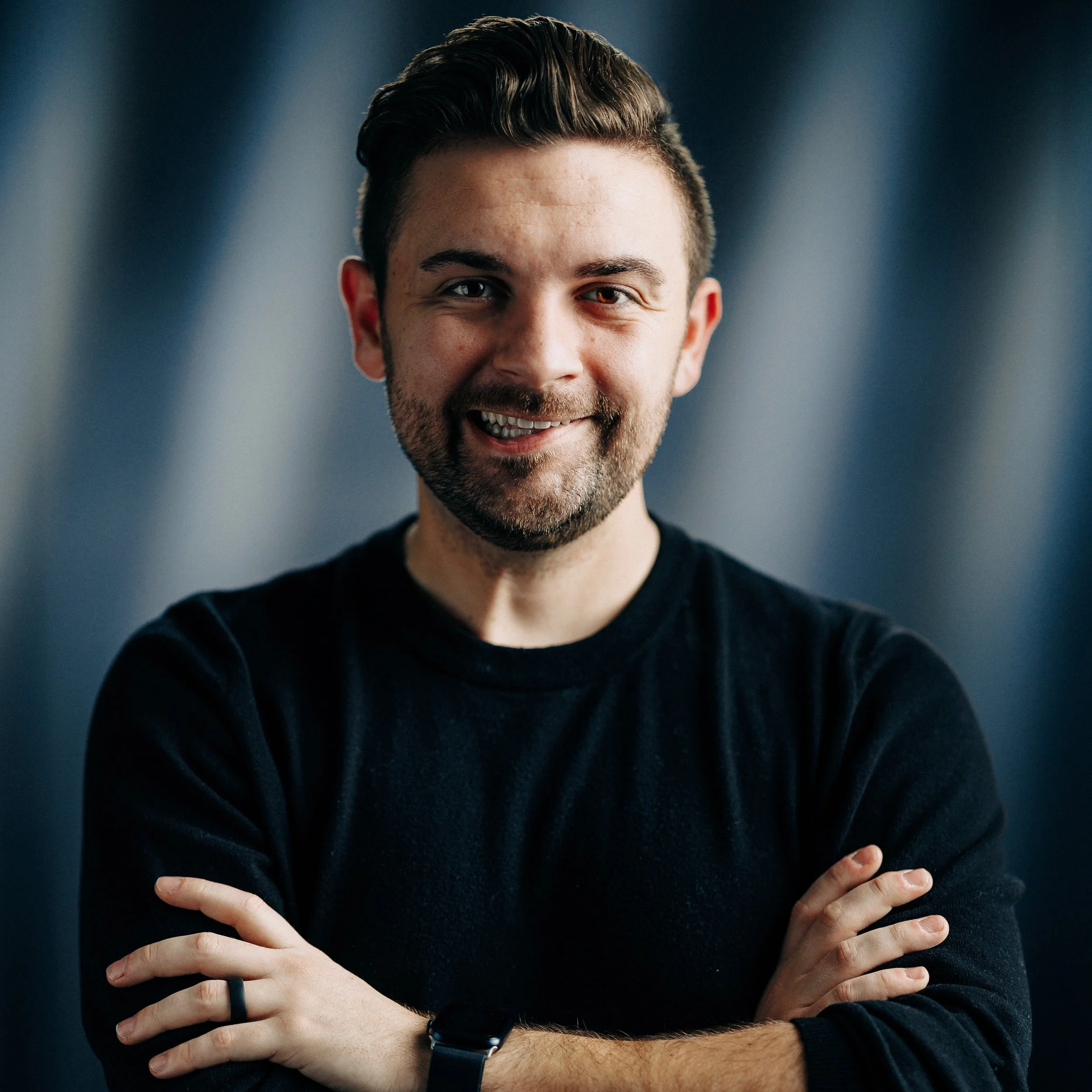
Moderator & Co-Host Dylan Mitchell
Dylan is the Brand Strategist, Creative Director, and Founder of DM.supply. He’s passionate about helping churches, nonprofits, and businesses of all kinds build brands that are clear, meaningful, and built to last.
Find Dylan on LinkedIn at: https://www.linkedin.com/in/dylnmtchll/
DM.supply: https://www.dm.supply

Primary Contributor & Co-Host Todd Tuthill
Todd is the Managing Partner of Rincon Aerospace - A consulting company guiding aerospace and defense companies to exceptional.
Todd is an aerospace executive and systems engineer with more than three decades of experience designing aircraft flight control systems
Find Todd on LinkedIn at: https://www.linkedin.com/in/toddtuthill/
Rincon Aerospace: https://www.Rincon.Aero
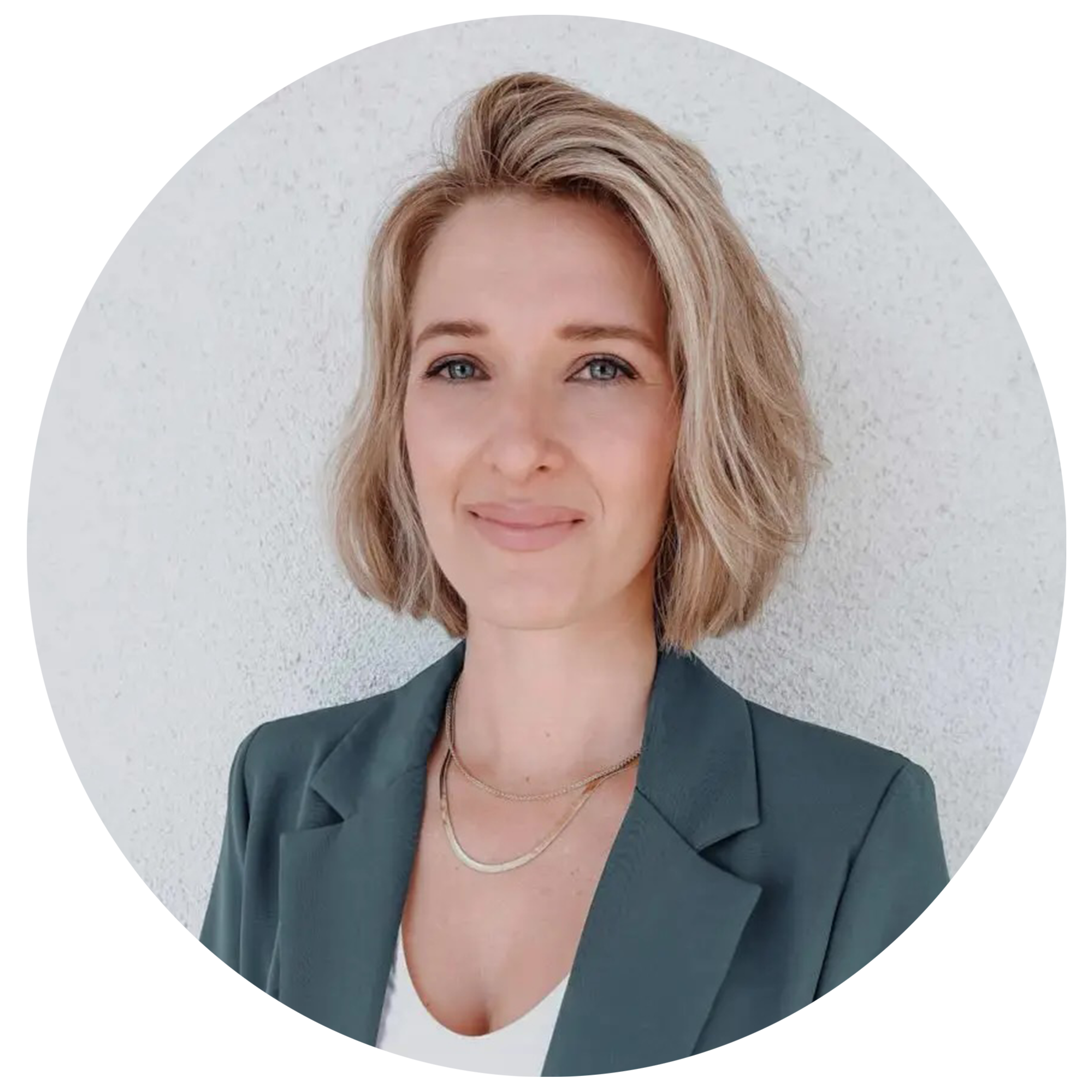
Our Guest: Maggie McCane, LCSW
Maggie McCane, LCSW, is a licensed clinical social worker and founder of Rehoboth Therapy & Wellness. She specializes in trauma and works extensively with high-achieving individuals and leaders to address the hidden impact of stress, anxiety, and burnout. Maggie has a background in child welfare, corrections, and nonprofit leadership, and was recognized as a 40 Under 40 honoree by the Tucson Hispanic Chamber of Commerce. She is passionate about helping individuals build sustainable mental health so they can lead stronger families and communities.
Rehoboth Therapy & Wellness: https://rehobothtucson.com
Maggie on LinkedIn: https://www.linkedin.com/in/maggie-mccane-lcsw-678452286
-
Nothing Changes When Nothing Changes - With Maggie McCane- Part 2
Dylan | DM.supply
Hey everyone, I'm Dylan Mitchell, and this is the Rincon Horizons Podcast. This is the show where we talk about leadership, the decisions, challenges, and lessons that shape great leaders over time. Our goal is simple. We want to help you lead better so your organization can climb higher.
Welcome back to the Rincon Horizons podcast. We're picking up right where we left off with Rincon Aerospace Managing Partner Todd Tuthill and Maggie McCane, a licensed clinical social worker and the founder of Rehoboth Therapy and Wellness.
Before we jump back into the show, we do want to mention that the content shared in this episode is for informational and educational purposes only. It is not Therapy and should not be considered a substitute for professional mental health care, diagnosis, or treatment.
Maggie McCane, LCSW
I think another question would be along the lines of what we were discussing of is your body trying to communicate with you that something's wrong? So all of the symptoms that I was describing, the insomnia, chronic migraines, IBS, those are all examples of your body trying to communicate with you and say, I need your attention, we need to do something more here. Our body is always trying to communicate with us. And it's interesting that we listen to some of our body's cues and then we completely ignore some other ones and say, I'm fine, it's not a big deal.
I like to give the example of if you were wearing a coat and you started sweating, that is your body communicating, I'm too hot, you would just take off the coat. You wouldn't think twice about it. But now here we have IBS and upset stomach and acid reflux going on, and we say, It's probably nothing. I probably am fine. I can just ignore this. And if we can just listen to our body that same way, okay, my body is telling me something's wrong, something is worrying me, something is making me anxious. I have too much cortisol in my body right now. What do I need to do to help myself?
If your body's communicating with you, you're trying to take care of it and it's not working, it's getting worse, or you just don't understand the communication. Sometimes you just need that professional level of support to be like, why am I struggling with chronic migraines? I don't understand. I'm working out, I'm sleeping, I'm hydrating, and yet this persists. You probably need a professional to support you alongside that.
And then I had one more. are you struggling with negative cognitions or distortions that don't match your circumstance? And I'd love to explain this further if you have additional questions, because I see this so I I really feel like this question is the crux of why I believe that everyone needs therapy at some point in their life. Because we all have these messages from childhood. Even if you had a wonderful childhood, our brain is underdeveloped. Do you all know what age is your brain fully?
Maggie McCane, LCSW
Yeah.
Todd Tuthill
No. I don't.
Dylan | DM.supply
I wanna take a guess, but I don't wanna like perjure
Dylan | DM.supply
myself. twenty one?
Maggie McCane, LCSW
Take a guess.
Maggie McCane, LCSW
Twenty one. T twenty one's a good guess. twenty five is the agreed upon age right now.
Maggie McCane, LCSW
So anything before the age of 25, your brain is not fully formed and it is simply trying to make sense of you and the world around you. So of course it's going to get some things wrong. It's going to misinterpret some things. But then the problem with that is that it might misinterpret something, but then that becomes a neural pathway that then maintains throughout your entire life. So now you're an adult, you've created a successful business, maybe you have a loving wife, a beautiful family, but yet you still believe I'm not good enough. So that would be a belief, a distortion that doesn't match your circumstance. And you can go and get professional therapy, and I would do EMDR and help us rewire that neural pathway so that your brain can catch up with your reality of I'm doing the best I can, and I'm doing really great, and I'm proud of myself, and I have lots of people who love me. That's the truth.
Dylan | DM.supply
With the idea of a neural pathway, I that is I don't want to say buzzword, that's like a buzzword for me though, that I love talking about neural pathways because it's so interesting to me. and that's been more on my own journey through therapy. Coming to realize things like you're saying that had been carved into my mind from an earlier age that I've had to fight out. just for our listeners who may not be familiar with it, can you explain the the concept of what a neural pathway is
I kind of picture it like a rut, like a ditch. And so once you're like in the bottom of this ditch, you kind of have to climb your way out. And climbing the way out of a muddy ditch is complicated and challenging.
Maggie McCane, LCSW
Yes.
Dylan | DM.supply
I'm sure you can explain that a lot better than I can.
Maggie McCane, LCSW
Yes, I'm happy to.
So I'll give you an example if that's okay. the founder of EMDR, Francine Shapiro, wrote in her book an example of a young girl, let's call her 10 years old, was at home upstairs, her parents were downstairs, she had a safe home, loving parents, but there was a thunderstorm, and she cried out to them because she was scared and they didn't hear her, because she was on the second floor, it was a thunderstorm, it was loud. So she's crying out. I don't know what she said, mom, dad, help, I'm scared. They didn't hear her.
Because she was 10 years old and her brain was so pre-developed, her brain is just trying to make sense of the world around you and formed a neural pathway that said, you're not worthy, You're not worthy of love. That was just w how the brain interpreted that situation. And it's so unique and individualized. So someone else could have experienced that exact same scenario and their brain didn't make that connection. But this is just how our brain works. she goes on to be an adult, successful, family, good career.
And yet she continues to struggle with friendships because she continues to believe she has this formed neural pathway, this rut, Dylan, is a great analogy. I think of it as like a track, like it's just like a wire in your brain that, this is just the belief that continues to communicate throughout your brain. You're not good enough. she went to therapy. she ended up doing EMDR, and that is the whole purpose of EMDR is to go back into our subconscious brain memory and way of thinking and help us look at it from the vantage point of an adult. And as an adult, we can clearly say, of course you're good enough. Everyone is good enough. You know what I mean? Like there's no reason to believe that lie. And so that's how then we form, okay, what is true? What is true is that you work really hard in life, your parents loved you very much while they didn't get every single thing right. You were cared for, you were loved, you've always been loved, things like that.
Dylan | DM.supply
I could stick and talk about neural pathways and maybe we have you back for a whole other episode where we just talk about neural pathways. that could probably be its own show. but I want to move on a little bit. in my experience with leadership and being in leadership roles, one thing I've noticed is that myself included, and Todd, maybe you resonate with this as well. leaders usually seem like they have this predisposition that they are Wired to solve problems themselves. And that's just a hallmark of being a leader. that's usually part of what made them successful in the first place, anyway. how do you help someone who's built their entire career, kind of what we've been talking about, who don't want to let the guard down, don't want to admit they need help, built their entire career on being self-reliant, recognize that asking for help isn't weakness. It doesn't make you less of a person, it's actually going to help you become a better leader.
Maggie McCane, LCSW
Mm-hmm. Mm-hmm. I think this is such an important question, Dylan, that I get asked all the time. And honestly, I just want to like turn it completely upside down and us look at it from a different angle because Again, I hear what you're saying and you're not wrong, but if we're honest, leaders get tons of help all the time, leaders probably are getting help cleaning their house, they probably get help cleaning their car, they probably have an assistant who helps them with tons of things, they might have a personal trainer, they probably have someone who helps them with their taxes. When they're sick, they have a doctor who helps them feel better therapy, mental health care is taboo. It has been stigmatized, but there's no reason that it needs to continue to be stigmatized. This is just another area of your life that you can receive support so that you can be stronger, healthier, a better leader, a better husband, a better father. This is not to tear people down. This is only to continue to give them the support that we all know if you're a good leader that you need support and you're not doing this alone. So just add a therapist to your team.
Dylan | DM.supply
That's a great way to look at it, adding a therapist as someone on your team.
Todd Tuthill
I agree. what great advice. I'd never thought of it that way before, but that sounds exactly right. I'm looking at the the panel here and I know it's it's an audio podcast, but if it were a video podcast, people could plainly see I'm kind of a few generations ahead of you guys.
I'm from the generation that probably more than anything didn't want therapy, didn't think it was necessary, didn't know what to expect. speaking to someone who's never been in therapy, maybe, there's probably people on the on the show who haven't been, what should they expect? When they show up in your office the first day, what are you gonna do? I'm envisioning, I guess I don't know what to envision actually. what's gonna happen when they show up in your office the first time?
Maggie McCane, LCSW
Even before the first time they show to my office, we would have a free 20-minute phone call, consultation call. Really from the start, we want the client to feel like they have a lot of choice and that this does feel really comfortable for them because the therapist client relationship is really one of the most important pieces to your progress and meeting your goals, getting where you want to be. We just ask questions. What is it that you're ready to work on? What's been prior experiences and therapy? What would a good therapist look like or mean to you. And then I, help select someone on our team that seems like they would be the most appropriate fit. And then once you, you know, have your initial session, we really just spend a lot of time getting to know one another.
Again, that rapport building is essential. We're happy to take the lead in the conversation if patients, don't want to start talking or don't know where to start, we'll just start asking you questions about your life, what's going well, what's not going well, interests, hobbies, supports, areas that you want to grow. It's an extension of the consultation call where now we're really digging in and maybe I'm starting to make a little bit of an analysis of what I'm seeing and I can start giving you feedback of hey, you know, you keep saying that, you have really healthy marriage, but I'm Also hearing that your wife isn't a safe space for you to talk about some of the things that you're going through. How can I be a support to that? What do you want to do about that? And I think that's an area that my practice is unique. We're not going to tell you this is what you need to do or this is the areas that we need to focus on. It's really about this is your life. What do you want to work on? What are you willing to change?
Nothing's going to change if nothing changes. So what do you want to change? What are you in control of over your life that we can start to make a difference here. a lot of empowerment, we're the trained clinician, but you are the expert of your life and we really keep you in that position of this is your life, this isn't mine. And then from there, we create a formal treatment plan based on that conversation of just being really clear, these are your three goals, maybe you have one or two goals. And this is from my perspective, how I can help get you there. And that's where we have a lot of educational conversations.
About different therapeutic modalities. And I don't have to get into these in detail, but are we going to take more of a cognitive approach, a more body-based approach? Are we going to look at this through a trauma lens and do more EMDR or internal family systems, helping clients feel really clear with what that means, what resonates with them? Of course, we can always change the modality as needed, but just making sure clients feel like they understand what's going on. Our sessions are about 50 minutes long and then some people want to book weekly recurring appointments. Some people do biweekly, really dependent on budget, scheduling. And then I will just say Todd, because I think it's unique that my practice also has started doing intensive therapy sessions. So this is two to four hours of therapy at a time.
Think about busy entrepreneurs, they might not be able to fit standing appointment in their schedule every week or even every other week. So for a lot of my entrepreneurs this works really well for them let's take a saturday and meet for four hours it's a huge time commitment that's a lot of effort and emotional vulnerability but we can get through so much because it's uninterrupted it's focused you don't have to think about jumping back into work after this i've seen so much success with that and then we don't have to meet again for maybe a month or two months let your brain kind of continue to do what it's doing
And then let's check back in and see what else we need to focus on. Our goal is to get you feeling better, to have you reach your goals as soon as possible. not just saying we're trying to like speed through. This isn't like microwave therapy, but some people are just ready, some people are like, hey, this is the thing I need help with, and I can, I'm so stuck, I cannot figure this one out. Let's just get you there, whether it's weekly or maybe it's just a couple of intensive sessions.
Dylan | DM.supply
I want to go back to something that you said because I think it might be the episode title. nothing changes when nothing changes. I think it's so simple, but it's such a profound statement. if you're not willing, you can't do the work for your client, just like I as a designer can't do the work for my client, just like Todd as a aerospace exec can't do the work for like it's no different. you show up and you're not willing to put the work in. Well, nothing's gonna change because nothing for you changed and I think that a lot of people's view of therapy sometimes is I'm gonna go and talk to this person and it's gonna just be better because I did the thing. so just the idea that it does take more and it's a commitment that you have to be willing to make is really cool.
Maggie McCane, LCSW
Yes, absolutely. And the people who make the most progress in therapy are the ones who work on the skills and tools outside of the therapy session. And journaling is such an important tool that I talk with my clients about because it's just again that practice of checking in with yourself. What are the cognitions in my head? What are the rhythms that I'm believing or guiding my life? What is my body telling me today? Just being able to do that and practice that more often bpeople come in so much more prepared the f the next session I really noticed that track of you're not good enough or this is too hard and you can't do it. Writing it down I was able to challenge that a little bit easier of course I can do it. I can do anything. I do tons of hard things. So people just make a ton of progress that way.
Dylan | DM.supply
Maggie, one of my favorite parts of every episode, and I think just listening to you talk, you'll probably have a really great one to share. It's a moment we call the Rincon Corner. and you know, you being local to Tucson, you may be fully aware of what Rincon means. it's a Spanish word for corner. so technically this would be the corner corner. but for us, it represents those turning points in our life or leadership journey, just moments where something changed your perspective or completely altered your direction for some people it's success and for others it's a mistake. and sometimes it's a conversation that you just never forgot. with that descriptor in place, Maggie, what's your Rincon corner? Do you have one?
Maggie McCane, LCSW
So many come to mind. I actually was curious, would do you guys mind if we do a little therapy thing? Okay. Okay. And you can share or don't share. I'll share mine.
Todd Tuthill
I'm I'm nervous, but okay. We we we can do this.
Dylan | DM.supply
I'm here, yes.
Maggie McCane, LCSW
But so I want you to just think of your earliest childhood memory, the first memory that like you had yourself, not something that you saw in a photo.
Maggie McCane, LCSW
And then when you think about what is that memory, think of the meaning that you took away from that experience.
Maggie McCane, LCSW
You think of something, Todd?
Todd Tuthill
I have the memory, I'm thinking of the meaning. I think I have it. Okay, okay, okay.
Maggie McCane, LCSW
Okay, maybe chew on it. I'll share mine. You can decide if you want to share yours.
Maggie McCane, LCSW
When I was four years old, I was on a road trip. At the time, it was just me and my older brother. So my parents pulled off, probably for us to stretch our legs. My dad has a brilliant idea of us racing up some stone steps. It's my dad, my older brother, and me racing up stone steps. I, of course, I trip and fall. I end up cutting open my mouth, having to go to the emergency room and get stitches. That's my first conscious memory as a child. And the
Dylan | DM.supply
Oof.
Maggie McCane, LCSW
meaning that I took from that is you need to work harder to keep up.
Dylan | DM.supply
Wow.
Maggie McCane, LCSW
So that was not a conscious thought that I had throughout my life, but that was very much a subconscious rincon Corner, something that impacted my life and drove me in ways that I didn't understand until I took that time to stop and reflect, Why am I the way I am? Why do I work so much harder? Why is it hard for me personally to rest? so I think that we all have those moments. It's a matter of are we aware of them or not.
Dylan | DM.supply
I think mine was I'm like kind of blurring memories together, but I think that it was either T ball or like flag football. and I remember playing this sport that I did not want to play. I knew that I didn't want to play it, but we were doing it and I would look over sometimes and my parents seemed happy that I was there, but they seemed very happy that they were there with their friends talking with their friends because their friends
Well, their kids were my friends. And so like it was just like that's just what you do. Like your kids go and play sports together. And I was not the most athletically inclined child. So there would be a lot of time where I'd be out in the outfield or, on the bench. but I'm there on the team. and so I guess kind of my feeling, which was residual into adulthood, was I don't like sports because sports seem like they are just about fitting in.
Maggie McCane, LCSW
Mm-hmm.
Dylan | DM.supply
I don't wanna like I don't wanna do something just so that I fit in with the people that are also doing it.
Maggie McCane, LCSW
Beautiful. So good.
Todd Tuthill
Okay, so my the first memory I can remember, I was probably about four years old. and my my grandparents lived next door to us and they had this very, very tall swing set. And I remember swinging incredibly high, almost higher than I shouldn't have swung, you know, and being very, very h very high in the sky, almost afraid. I don't know what that means. I don't know what that what what I take away from that. But I think now I you know I would never have let a four year old of mine swing nearly as high as I was nearly swinging and and flying through the sky. So I don't know, maybe is is is that what caused me to have a career in aerospace? I don't know, but that's
Maggie McCane, LCSW
Okay.
Todd Tuthill
I don't know the meaning. I'm struggling with you know, I I have the memory, I'm struggling with the meaning. I don't know the meaning of that, but that's one of my earliest memories. I don't know.
Maggie McCane, LCSW
Yeah. Cool. Yeah. And maybe it was like I could do hard things that like I can be safe
Maggie McCane, LCSW
in the face of danger. You know, it could be
Todd Tuthill
I don't know.
Maggie McCane, LCSW
anything. Thanks for sharing. Does that fit for the corner? Is that okay?
Dylan | DM.supply
That's
Dylan | DM.supply
I like that. That's more I want more people to ask us. That's that's fun.
Todd Tuthill
Sure. That's right.
Dylan | DM.supply
there's another recurring segment that we come back to on every episode. It's called Rincon Recommendations. we have expanded this beyond just books. Used to it was your book recommendation. but just kind of talking to people and realizing more and more people don't just learn from books, they learn from podcasts, newsletters,
Dylan | DM.supply
conversations, articles, all the things. and the things we constantly feed our minds have a way of shaping how we lead. so Todd, if you don't mind, let's start with you. What's something you've been learning from lately that you'd recommend?
Todd Tuthill
So this isn't lately. This is a book I read a few years ago, but I I thought I'd go back and and think about on the on the wellness kind of topic. And there's a book that I read a few years ago called Keep Sharp. It's by Dr. Sanjay Gupta. My father died of dementia a few years ago. and when he was first diagnosed, I got very interested in mental health and and dementia specifically. And this book, Keep Sharp, is really just a practical guide to improving your mental acuity and he says like a lot of books I've read there's no magic pill, there's no magic anything. some of his really good advice that my wife and I still talk about all the time, he doesn't have a complicated formula for eating healthy. He just says eat seven colors a day seven kinds of fruits and vegetables. So we talk about Did we get our seven colors today? and the importance of eating fruits and vegetables. And he talks about one of the most important things, in his opinion, to do mentally is for your mental health as you work in an office every day. He said, get some exercise.
Todd Tuthill
Don't don't stay sitting every day. Stand up, walk around, take ten minutes, kind of like you said, Maggie earlier. he's not talking about doing massive physical exercise every day, although well there's benefit to that too.
Todd Tuthill
So says, just get up and take a walk, get out of your space. Really good book, Keep Sharp by Dr. Gupta. we'll put link in the show notes.
Dylan | DM.supply
Thanks, Todd. I am actually very interested in that. so yes, send the link to me and I'll get it before it goes in the show notes. Maggie, what about you? Is there a book, podcast, newsletter, or any other resource like that that's been good for you lately that you would recommend to leaders?
Maggie McCane, LCSW
Yeah, so I as my journey to becoming an entrepreneur and trying to grow a scalable and sustainable business, anything Alex Hormozi has really caught my attention. So Alex Hormozi has his own podcast, but he was just on a podcast, Modern Wisdom, with Chris Williamson. And it's four hours long. my gosh, it's a lot to take in. But is just so motivational in my opinion. His work ethic is unparalleled. Whenever I'm feeling like I can't do this or this is hard or I just need something to amp me up a little bit, Alex Hormozi is a go-to.
Dylan | DM.supply
Awesome. We will get the link from you for that and put that in the show notes for our listeners as well.
Todd Tuthill
Dylan, what's your recommendation for today?
Dylan | DM.supply
This is one that I've had the audiobook of since we found out over a year and a half ago that Melissa was pregnant. and I listened to I don't know, thirty minutes of it and got distracted. I'd I was at the time the marketing director of the Air and Space Museum in San Diego. So it's like there's just a lot of other things that were calling for my attention and I didn't make time for it. And now I'm kicking myself for it because someone gave me the physical paperback book of it. And I have been really into reading paper books lately. So I picked it up. It's called Habits of the Household by Justin Earley. It's been just a really timely reminder for me that leadership doesn't stop when you leave the desk. Just as someone who's building a business while raising a young daughter, it's challenged me to think less about finding the perfect work-life balance because I don't believe that you ever will and more about just creating very intentional rhythms at home. and the idea for the book is very simple. It's just the small habits we practice every day are shaping who we become. And those are shaping our families too.
If you're a leader who's also trying to be intentional at home, I would definitely recommend giving it a read. And again, like all the books and all the resources we talk about in the show, we will make sure that a link goes in the show notes.
Todd, before we wrap up, what is one final thought you'd like to leave our listeners with today?
Todd Tuthill
I'm thinking about the podcast and what am I gonna take away from it? And I think the the two words I'm gonna take away from it are two scary words to me personally, are emotional vulnerability. and I've really got to think about where in my life am I truly emotionally vulnerable. I'll thank you for that, Maggie. I think that's a good thing for me to say that. I'm still struggling with it a bit.
But I think I need to think about that. And I just say thank you to Maggie. Thank you for taking the time. I know this is a very big day in your business. As we record this, she's opening an a brand new office. And before she goes off and does that, she's taking time to talk to us. So thank you for coming on. Thank you for doing this. We really appreciate all your great advice today, Maggie.
Dylan | DM.supply
Maggie again, Thank you. Thank you so much. Like Todd said. And and since you are our guest, we like for our guests to have the last word on the show. So any final encouragement or advice for friends of the podcast or leaders listening.
Maggie McCane, LCSW
Sure, I don't maybe this is cheesy, but I was thinking that Todd is an aerospace and defense industry executive. Rehoboth means open space. And so one of my favorite quotes about space is from Viktor Frankl. And he says, between stimulus and response, there's a space. In that space lies our freedom and power to choose our response. In our response lies our growth and our freedom.
Maggie McCane, LCSW
So I love this idea of this podcast being a stimulus, hopefully prompting some people. And what is their response going to be? What are they going to do with this space? How are they going to, move forward differently in their life or maybe start therapy services or have a hard conversation with a friend or family member? But I love that we all have that space to choose.
Dylan | DM.supply
Wow, what a way to end.
Todd Tuthill
Great quote and and way to tie it back to aerospace. Maggie.
Dylan | DM.supply
Maggie, again, thank you so much for joining us today. if you'd like to learn more about Maggie McCain or Rehoboth therapy and wellness, you can visit https://rehobothtucson.com That's R-E-H-O-B-O-T-H-Tucson dot com. We'll also include links to Maggie's LinkedIn profile and the Rehoboth website in the show notes. Todd, as always, thanks for another great conversation and thank you to all of you who are listening today, wherever you are.
Every episode of Rincon Horizons is about unpacking the decisions and disciplines that shape us as leaders at work, at home, and everywhere in between. We believe that leadership isn't just about growing professionally, it's about growing personally too. Because the healthier the leader, the healthier the organization they're leading. Our goal is simple. Again, we want to help you lead better so your organization can climb higher. If today's conversation resonated with you, we would love for you to share it with someone else who you believe could benefit from it.
You can also learn more about Rincon Aerospace and connect with Todd at Rincon.Aero That's R-I-N-C-O-N.aero or through the links over in the show notes. I'm Dylan Mitchell. You can learn more about my work at dm.supply. Thanks for listening, and we'll see you next time on Rincon Horizons.