

Leadership is the Easiest Word to Say and the Hardest Word to Live - with Dr. Chip Valutis - Part 1
Leadership is the Easiest Word to Say and the Hardest Word to Live - with Dr. Chip Valutis - Part 1
The Rincon Horizons podcast is where we talk about what it means to reach the summit on your leadership journey. We want to help you lead better so your organization can climb higher. Todd and Dylan welcome organizational psychologist and author Dr. Chip Valutis to the podcast.
Episode Summary
Dr. Chip Valutis is an expert in leadership and organizational development. Our conversation explores the S-curve concept, which illustrates the life cycle of organizations and the importance of adapting leadership styles as companies grow. Chip shares insights on the challenges leaders face during transitions, the significance of humility, curiosity, and courage in effective leadership, and the necessity of reinventing business models to avoid decline.
Takeaways
Leadership is about facilitating movement based on the organization's journey.
The S-curve represents the life cycle of organizations and individuals.
Transitioning from early growth to mature growth is challenging for leaders.
Jumping the S-curve involves reinventing business models to avoid decline.
Effective leaders exhibit humility, curiosity, and courage.
Leaders must adapt their styles as organizations evolve.
Understanding the dynamics of growth phases is crucial for success.
Personal experiences shape leadership perspectives and practices.
The importance of self-awareness in leadership cannot be overstated.
Links mentioned in the podcast:
Rincon Aerospace: https://www.Rincon.Aero
DM.supply: https://www.dm.supply
Valutis LLC: https://www.Valutis.com
Valutis Shop: https://valutis.com/shop/
Books recommend in the podcast:
Talent-Driven Growth: Your Blueprint For Scaleable Organizational Success by Dr. Chip Valutis: https://a.co/d/h5iv0Yj
The Empty Raincoat: Making Sense of the Future by Charles Handy: https://a.co/d/3WlnxuS
Game Plan for Life: Your Personal Playbook for Success by Joe GIbbs: https://a.co/d/5Dhfugy
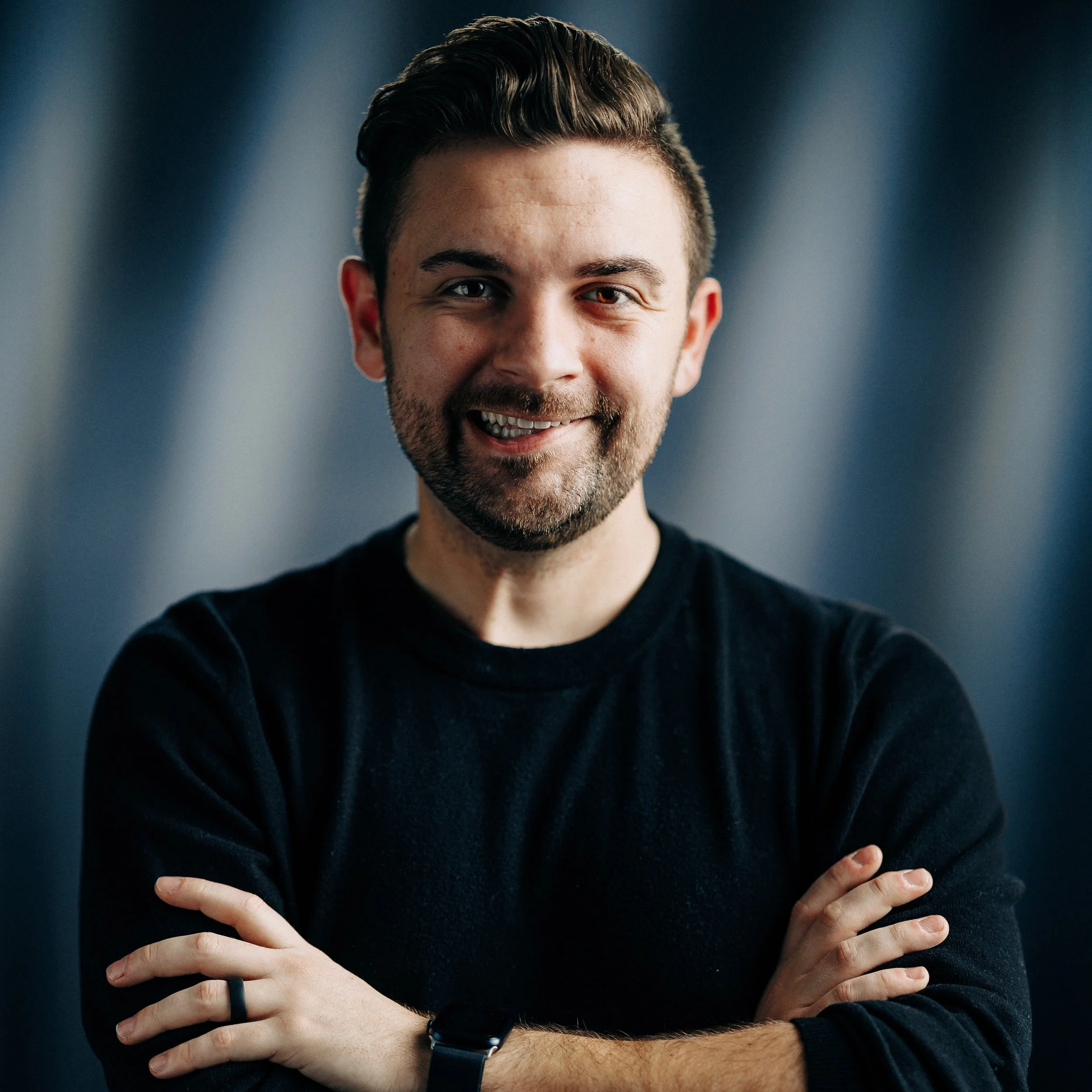
Moderator and co-host Dylan Mitchell
Dylan is the Brand Strategist, Creative Director, and Founder of DM.supply. He’s passionate about helping churches, nonprofits, and businesses of all kinds build brands that are clear, meaningful, and built to last.
Find Dylan on LinkedIn at: https://www.linkedin.com/in/dylnmtchll/
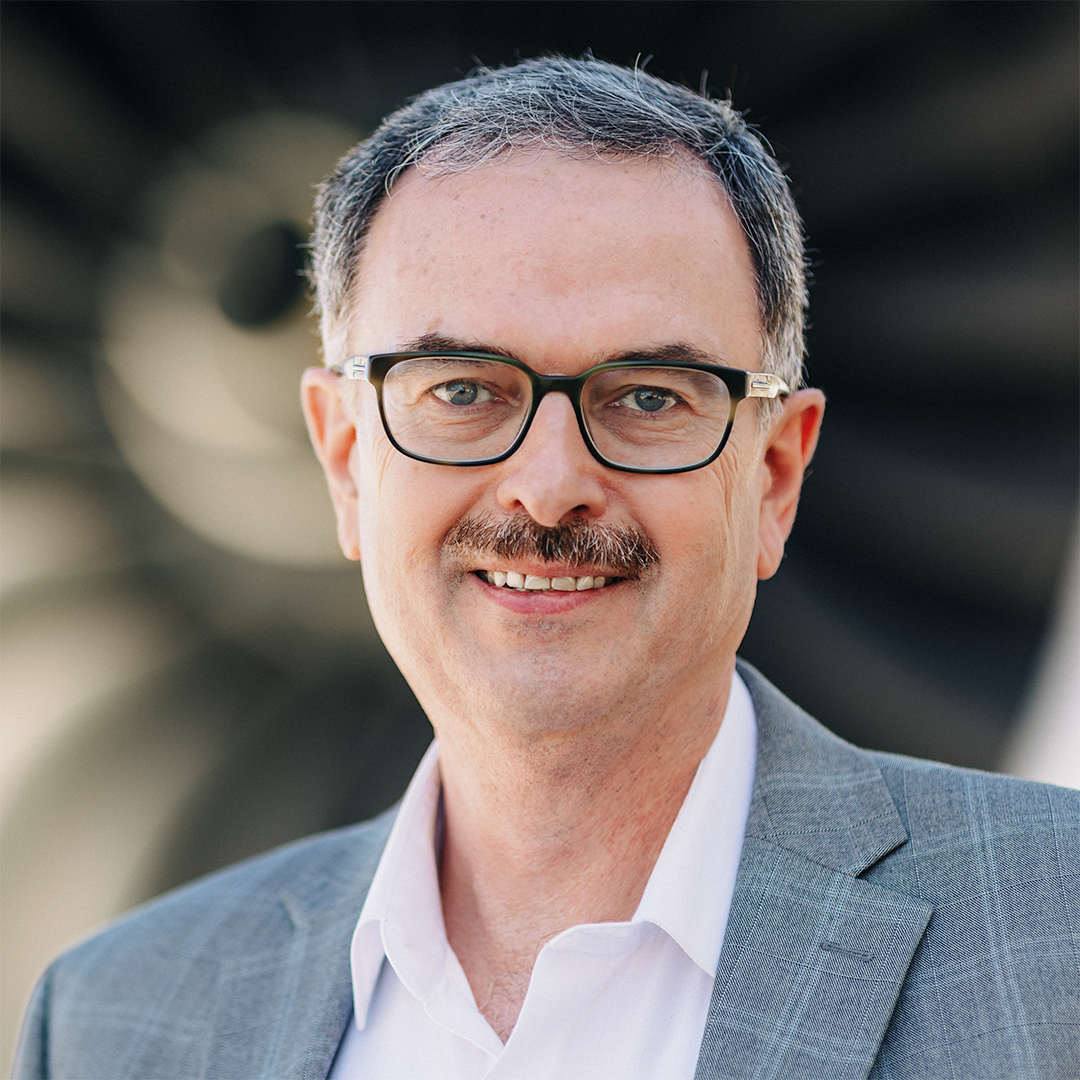
Primary contributor and co-host Todd Tuthill
Todd is the Managing Partner of Rincon Aerospace - A consulting company guiding aerospace companies to exceptional.
Todd is an aerospace executive and systems engineer with more than three decades of experience designing aircraft flight control systems
Find Todd on LinkedIn at: https://www.linkedin.com/in/toddtuthill/

Our Guest: Dr. Chip Valutis
Dr. Valutis is the founder and CEO of Valutis.com. He is a pioneering psychologist in executive coaching and organizational development. With over three decades of experience, his insights have transformed both Fortune 500 giants and smaller enterprises alike. He is the author of the book Talent-Driven Growth: Your Blueprint For Scaleable Organizational Success.
Find Dr. Valutis on Linkedin at: https://www.linkedin.com/in/chipvalutis/
AI GENERATED TRANSCRIPT: Rincon Horizons S1E5 - Leadership is the Easiest Word to Say and the Hardest Word to Live - with Dr. Chip Valutis - Part 1
Dylan Mitchell
Hey, everyone, I'm Dylan Mitchell, and this is the Rincon Horizons podcast. This show is about leadership, what it really takes to grow, to adapt and to reach the summit over the course of your leadership journey. Our goal is simple, to help you lead better so your organization can climb higher. Each episode, I'm joined by my co-host and our main contributor, Todd Tuthill, managing partner of Rincon Aerospace. Todd, it's great to have you
For listeners who may be meeting you for the first time digitally here, would you give us a quick overview of your background and how you ended up where you are today?
Todd Tuthill
Sure, Dylan, thank you. I'm glad to be back podcasting. Love to do this with you. This is fun. I'm the managing partner of Rincon Aerospace. We do executive level consulting for aerospace companies. I'm an aerospace industry executive and engineer. I've spent most of my career developing flight control systems for aircraft, designing things that fly or leading teams that do that. And I've had several roles in my career, chief engineer, director of engineering, vice president, things like that, you know, but enough about me.
Let's get on to our guests because I am really stoked about our guest today. And I know you're going to do the formal introduction, but I really want to explain a bit my personal connection to Dr. Valutis before we get started. You see, he's in the business of showing leaders how to improve themselves in their companies. and I met more than 20 years ago when I was moving into executive leadership and kind of starting my leadership journey at a company called Moog Aircraft.
And he worked with me and the whole leadership team for several years. He's got this really unique ability to, it's almost uncanny how you can almost see inside the mind of a leader, understand how they think, and then tell them or help them, show them what they need to do to improve. And he's very, very direct in almost a polite, interesting kind of way. He's got no fear of speaking truth, especially when people don't want to hear it. He's done it to me several times.
And you know, our idea when we created this podcast was to help leaders understand their blind spots and weaknesses. And he's so good at that. He's a great guest for this podcast. I mean, I'm saying it's going to be great. It's going to be a master class in leadership today. I just can't wait. No, no pressure on Dr. Valutis not at all. Right. I haven't set the expectations too high at all. That's exactly right.
Dylan Mitchell
But no pressure, no pressure or anything.
Chip Valutis
Exactly.
That's the nicest thing you said about me in 20 years too. Can't we just stop right here?
Todd Tuthill
Just cut it right here, there you go.
Dylan Mitchell
Well, like I said at the top of the show here at Rincon Horizons, we talk about leading better so organizations can climb higher. Today's conversation with our guest, Dr. Chip Valutis is about what leadership actually looks like at different stages of growth and why the leadership that got you here, wherever here may be, be the very thing holding you back. If you spent any time around leadership organizations or growing businesses, there's a good chance you felt the ripple effects of Dr. Valutis work, ⁓ even if you don't know his name yet.
Dr. Valutis is an accomplished psychologist with more than three decades of experience in executive coaching and organizational development. He's helped leaders at every level from first time managers to CEOs and board members, in navigating complex real world environments. his work even spans fortune 500 companies as well as small and mid-sized organizations. And he's seen just about every version of this should be working, but it's not.
Reading his bio and researching Dr. Valutis, what really to me, ⁓ sets him apart is how he operates in the space between science and practice. He's deeply grounded in psychology and organizational systems, but he's not interested in theory the sake of theory. focus is on what actually works, what helps people, teams and organizations move forward in a predictable and sustainable way. Earlier in his career, Dr. Valutis trained at Boston university, then went on to lead consulting initiatives in performance, assessment, and development before founding Valutis Consulting, which he ran for three decades. More recently, he launched Valutis LLC, where he's focused on writing, teaching, and helping business owners grow through what he calls talent-driven growth. a framework that represents the through line of his entire career. He also published his first book in 2024 by the same name, Talent-Driven Growth, Your Blueprint for Scalable Organizational Success.
Dr. Valutis is based in Texas and has been married to his wife who is known since the age of 16. They have three grown children who are spread across New York, Tennessee and Texas. His deep rooted connection to his family serves as a source of inspiration and grounding in his personal endeavors. Dr. Valutis, that's a long resume. Welcome to the show. We're really glad you're here kick things off. Let's start with something simple. What's something about you that people wouldn't learn from what I just said or from your LinkedIn profile.
Chip Valutis
Dylan, thank you and Todd very, very much for reaching out and asking. I was pleasantly surprised to reconnect with Todd. It's been a delight to work with you. We're all friends. Please call me Chip. Dr. Valutis makes me feel like I need to sit up straight and use five syllable words. So we'll just be friends, looking forward to it. I love that question. I kind of love and hate that question because that's a shrink question like me. You're trying to get into the deeper workings of my mind. That's well played, Dylan.
What can I tell you that you wouldn't learn on my LinkedIn profile? I'll have to go back, Pre-professional identity. I would say, I would say probably one of the more formative elements of my life, and I didn't know it at the time, was an opportunity that we had.
Actually, my father a psychologist, he's passed, but when he got his PhD at Ball State University, we were living in Indiana and they had a program where if he would go to Europe and teach Air Force people wanted to get their masters, they would send us and house us to live in Europe. I ended up spending my entire seventh grade year, what is seventh grade, 12, 13 years old, somewhere in that range.
Dylan Mitchell
Sounds about right.
Chip Valutis
And most of my eighth grade year living six months in Germany, six months in England, three months in Greece, three months in Spain, and we lived in the community. I, at the time, like a good 12, 13 year old, I whined because I had to be away from my friends and I didn't wanna do that. But the ability of that experience to open my eyes, and I remember it was kind of great parenting by my father. We would talk about,
We had a rule over there. Nothing was weird. Everything was different. And baking that into our DNA, our meaning, my brother and sister and I, but baking that into our DNA at such a relatively formative and early age, it's interesting. It's helped me as a psychologist. It's helped me as a consultant. It's helped me as a friend, as a husband, as a father, but it's like reserving that judgment, enhancing my curiosity. How does this culture work?
We'd play cricket on Jesus Green in Cambridge, England, but my brother and I thought they were crazy that they didn't use baseball gloves. So we'd walk down there with a baseball glove and a regular bat. We'd hold the bat up here and just immerse ourselves as much as we can in that culture. And obviously that's not on my LinkedIn page, I honestly think that had such an impact on shaping me and more my openness, my situational awareness, my self-awareness just my wanderlust that I have to this day.
Todd Tuthill
So would you repeat that Chip you said nothing is wrong, everything is different? What were the two words?
Chip Valutis
So you would run across, let's we're in Munich and we see a man in Liederhosen. And we said, man, look at that weird guy. Look what he's wearing. Nothing's weird, everything's different.
Todd Tuthill
Weird, that's right. Weird was the word, yeah.
Look at that meal, look at that person, look at that building. Yeah, and it's such a great way to frame and classify. Now, I'm not saying I'm good at it every single time. I still see weird things in the world.
Todd Tuthill
Got it, great, great advice. That's great advice.
Dylan Mitchell
I really like that.
Chip Valutis
But at least I have that thread, you know, kind of saying, hey, it's different. We don't know that story. We don't know that history. We don't know that culture. It's different.
Dylan Mitchell
Yeah, I think that really lends itself to the introduction as well. You know, navigating complex real world environments. Maybe it should be on your LinkedIn bio. Amateur you can title it as amateur or aspiring cricket player.
Chip Valutis
Exactly. I'll work on that.
There you go, I like that, I like that, that's funny.
Dylan Mitchell
So Chip, in your book, Talent Driven Growth, the blueprint for scalable organizational success, you say that your job as a leader is to facilitate movement. The movement needed is dictated by where you are on the journey. The journey is outlined by the S curve and the life cycle of movement. Did I get that quote right? I think I'm OK. so would you start if you don't mind by sigmoid curve or S curve?
Chip Valutis
Yeah, that's no, that's. Yep.
Dylan Mitchell
Walk us through what an S curve and life cycle of movement is.
Chip Valutis
I'll be happy to. It is the simplest and most insight-driven concept I ever came across. The first time I remember seeing the S-curve or the sigmoid curve, I was reading a book by Charles Handy, it's called The Empty Raincoat, Making Sense of the Future, and it was written back in 95. So this was probably not that far from there, but I'm actually gonna read a very short excerpt from Mr. Handy's book that kind of shows you how that seed of interest in the S-curve really sparked with me. He writes this:
"The sigmoid curve sums up the story of life itself, very powerful. We start slowly and experimentally and we wax and then we wane. It's the story of the British Empire. It's the story of the Russian Empire and all empires over time. It's the story of a product's life cycle. Many corporations rise and fall. It even describes the course of love and relationships."
Well, I mean, you got a shrink who's trying to work in industry, who's young and building his business. And it's like, what in the world is this? It's actually a mathematical construct."
Dylan Mitchell
Wow.
Chip Valutis
So again, as a psychologist, we take statistics, but we take a lot of, don't, exactly, we get a little scared. But the easy way to explain the S-curve before I kind of give some of the specifics, nature is an S-curve. Life is an S-curve. Anything that has cyclical and systemic properties, like nature, right now it's winter and I happen to be sitting in Buffalo, New York, instead of Texas, but.
Todd Tuthill
Yeah, yeah, It's going to get scary if Chips going to do math here. I'm going to get scared.
Chip Valutis
We you know in winter that you endure this cycle. We have leading indicators So when snow starts to melt and trees start to bud and we know we're transitioning into spring and then we get into spring and we have leading and lagging indicators of spring and we move into summer and then summer moves into fall and fall moves into winter we know this if you're in western New York and it's Halloween you're finding your snow shovels and you're putting away your rakes We know what's gonna come in life, you're a newborn. You're a fragile newborn that life itself depends on your parents you become a little kid you kind of grow through this growth phase and go through teenage years early adult years mid-adult years at some point you plateau I won't say what age that is because I'm probably well beyond it but you begin plateauing and then you get into decline and eventually unlike nature you die which is not as happy of a story that you don't get to go back and try again but it's this predictable cyclical systemic path that people follow.
And organizations, really the five classic stages or six, if you count the beginning, you have a learning phase, I have a twinkle in my eye. I have a hope, I have a goal, I have a dream to use Martin Luther King of this business I wanna build. And when I can actually articulate that and have a prototype or something to sell, I move into early growth. It's the startup phase. It's trying to figure out what do I have to do to make my business survive.
Then if I can keep it surviving, I start to try to scale it. Scaling it is more mature growth, bringing in process, procedure, protocol. Eventually you will plateau. Your products get market gets old, something happens, you plateau, you'll enter decline. Same thing, early kind of decline manageable. You get in late decline and if you don't do anything about it, you can die just like human nature. Beauty of the S curve though, it allows us this construct called jumping the S.
Which is the phoenix, if you will, a rebirthing that if leaders are paying attention to the opportunities in the tea leaves, they can look for that opportunity to reinvent themselves somewhere in that mature growth or pinnacle ideally, and literally live for another day, climb to a higher height and continue on forever. That's just high level, hopefully that works, but it's...
For me, who's interested in organizational change, systemic change, holistic type thinking, as simple as it is, I can do so much with that model.
Dylan Mitchell
Wow.
Todd Tuthill
At what point in your career did you really start to apply the concepts of the S-curve to businesses? Was it something from the beginning? Is it something you came up with five years ago?
Chip Valutis
It was my model, the way I worked, I tended to embed myself with a smaller handful of clients and spend decades with them. So I didn't, it wasn't a deliberate decision, Todd. I wasn't smart enough to think, hey, this would really make a lot of sense. But because I had that style, I could actually start to see, it's like, look at this. This organization is beginning to outgrow its people, its systems and its processes and they need to begin upgrading this and strengthening the infrastructure and finding a different type of leader for the challenge that the business is facing right now. I wasn't saying, ⁓ I'm transitioning from this phase of the S curve to the next, but I was a part of that journey.
Honestly, it was when I started to really slow down in a year or two before I wrote my book and just think, well, how do I do what I do? What am I try to make a little bit more aware of some of what I was doing and I could see example after example of the S curve at play, even though I wasn't that deliberate or intentional at the time. Does that make sense?
Todd Tuthill
Yeah, it does. That's interesting. Because I was trying to remember, we were working together back at Moog 20 years ago. I didn't remember you talking about it that deliberately. So I thought, was I asleep? Did I just miss it? Or no, guess you weren't yet. Okay.
Dylan Mitchell
Yeah.
Chip Valutis
It wasn't overt. if we can, without telling Moog stories, thinking about the way in the early days, you guys would develop these huge systemic programs like the Joint Strike Fighter that you've mentioned before. It's like, this is no longer a small, how do we do a couple of tweaks to our actuator? This is developing an entire system. And it took different kind of thinking, different kind of process different kind of people quite candidly to be able to do that. I wish I would have used those labels more overtly than I did back then because I think they fit beautifully. I've done it all along without really giving it the credit it's probably due. I've done it with myself. When I came to Buffalo in 93, I worked a lot with family-owned businesses and then I moved to more privately held businesses and then I evolved to more publicly traded businesses. I was jumping the S curve, if you will, with different markets and different problem statements.
Todd Tuthill
Absolutely. Well, I guess to think you talked about transitions In the different phases of the s-curve in another part of your book you say and I'll quote you while the transition from make it happen To do it right is a painful and difficult phase of the life cycle It pays great rewards and dividends to leaders who successfully navigate the required movement. Then you say warning This is one of the toughest movements on the life to manage on the life cycle, the substantial difference between early, early growth and mature growth is challenging. And that really caught my eye with the big warning, would give us some more details about, what this why that's so tough. And then maybe some advice to companies and leaders for how to make that transition.
Chip Valutis
Good. one of the things the S curve does by identifying these phases, in this case, we're talking about organizational growth and evolution, is each of the phases sets a different context, a different set of circumstances. And each of those sets of circumstance give us great insight on the type of people or talent we need, challenges that the organization will be facing in that phase and the type of leader we need. When you're in early growth, when you're a startup, and if you've had the opportunity to work for startups or even some of you listening may be in startups, it is the world of MacGyver and Rambo and blood, sweat and tears, It ain't pretty, exactly, superheroes, exactly. It ain't pretty, but it's gotta get done.
Todd Tuthill
Superheroes, huh? Superheroes. Firefighters.
Chip Valutis
Somebody calls us, can you guys help me with this? Absolutely, I gotta make payroll next week. I can help you with anything. And then I figure out how do I do it and where do I go. So you have these high energy, shoot from the hip, handful of superheroes, just literally muscling results. We can't afford ERP systems, we can't afford consultants, we're bootstrap, we're hungry, we're fighters. And we somehow figure it out.
When you start to hear in the hallways or you see it in the eyes of the tired superheroes that this realization, I ain't got much left. The water level, I got one nostril out of the water and that's about it. I can't keep doing this. And you get this flavor of we've got to start working smarter, not harder. That's the first major leading indicator that we're outgrowing this early phase. We have some stability.
We have a brand, we have products that work, we have customers that call, we're not as worried about payroll. So now it's time to be smarter, more deliberate, build policy, procedures, swim lanes, accountability, plans, X matrices, all the kind of quote unquote professional management type techniques that your young MBA could teach you. But who do we have in our building? MacGyver, Rambo, and Superman and Wonder Woman. They don't want that stuff.
Like, whoa, whoa, whoa, whoa, I'll just get out of my I'll save Gotham. You don't have to give me a swim lane or a racy chart. And you get this massive cultural clash between those that got us here and the type that will get us to where we wanna be.
Todd Tuthill
A couple of follow ups there, because you said a lot of interesting things I'd like to unpack a bit. One of the things, and we've probably all been in companies like that, in my career I've had people say to me along that line, because I tended to be the more process-driven kind of person, that was me, and I've had people on the other side say, G-Todd, process stifles creativity. We can't, we gotta be careful with the process.
Have you dealt with that in your career too, where process on the edge of that curve, is that what's causing some of this?
Chip Valutis
It's causing some of the clash. I listened to one of your earlier podcasts where you were talking about a meeting where your boss was telling you you're too black and white and You were you were kind of looking listening back, know listening you were thinking back on that You know, that's a really good example the mind of the engineers There's a right way in the wrong way in the minds of Rambo or Batman or Wonder Woman Whatever way saves the day is the right way.
There's no standardization. There's no roadmap that some of the conflict is we're still staffed and our culture still is that shoot from the hip and do whatever it we're in the know, we're not gonna do that. And it's very confusing to people. The people that thrive in the early growth are thinking we're killing the company with bureaucracy in the mature growth. getting that we're really having to change the mindset, we're changing the people, we're changing the way we run our business. That's what makes that transition between those phases so very very difficult to round the corner and get through and that's not even counting the owner the founder or the big wig if the big wig doesn't have that self-awareness that situational awareness that I've got to evolve the way I run my business They'll end up getting stuck there, There is a lot of lifestyle businesses that have established very profitable very healthy businesses and they've stayed in that entrepreneurial mindset and they happily do that for their entire career, ridiculously successful. And then some bigger firm can come in and say, this business is ripe to grow and they'll put in the infrastructure needed for more.
Todd Tuthill
You kind of went to where I was thinking you were talking about ⁓ changing people I wanted to know you, I guess when you think about changing people, you think about the players on the team, but when do you change the coach or the quarterback? Is that sometimes necessary too in that stage?
Chip Valutis
It can be, it's often difficult to change at that stage because a lot of times the head of the company is actually the founder of the company, he or she started it themselves. a little harder to walk into the entrepreneurial founder and say, you're our biggest bottleneck, you have to go. Now, if you're lucky enough to have an advisory board or a really strong spouse at home to hit you in the head, if need be,
One of the things you have to have, my opinion, it really takes a leader with the level of self-awareness and humility to say, okay, maybe what I used to do isn't working and I need to look for something different. at that particular phase, it's difficult. The other place where the leader is really the key is when you get into early decline or late decline. And that leader, is just hanging on so tight to what he or she knows, they're really riding the company right into the ground.
Dylan Mitchell
I think point that I wanted to come back to talking about the stages or of the life cycle of a business that you talked about earlier. And you said the last two are decline, which you just mentioned and broke that up into early and late decline. And ⁓ did you say dead or done? I don't remember. ⁓ Both work for people dead for businesses.
Chip Valutis
Both work.
Dylan Mitchell
Maybe done. And just kind of listening and thinking through that while you and Todd were talking, no one wants to lead their company into decline and certainly not done. you say that to avoid decline, companies have to jump the S curve just kind of listening to you and Todd you say that, jumping the S curve is like changing the quarterback or the team captain or I guess what does that mean and how do companies do it?
Chip Valutis
Jumping the yes is largely leaving one growth trajectory and finding or joining another one. The best example I can give you would be Netflix. When was the last time you got a little red envelope in your mailbox with a DVD in it that you could play? And Netflix, through their journey, I've studied them in depth, began as kind of that blockbuster competitor, We have an easier way, you can stay in your jammies, we're gonna deliver the DVD right to your house. You don't have to go out in the cold in the dark. But look at them today, they're one of the biggest producers of content, they're this massive streaming service, this massive content creation organization, and now they're starting to air NFL football games,they have reinvented their business model, have looked at where they were. The best time paradoxically to jump the S is actually in the middle of your mature growth phase. And it's just not the time leaders begin thinking about, all right, let's reinvent ourselves. Like, why? We finally figured this out. We're growing. but it's thinking about.
What's that disruptive technology? What are those major changes? McKinsey actually has kind of their three horizons of growth. I don't know you've ever heard of those before, but it's kind of a cool model that they've developed and jumping the S's is really more on the third horizon of Their horizon one level of change is where you're really trying to find out what kind of method technology service or product will help us maintain our core business.
Dylan Mitchell
If not...
Chip Valutis
Horizon two is I'm looking for an adjacent seat that's a logical bolt on. Todd may be going from weapons bays to landing systems or something. I'm staying on the aircraft. I'm just looking for a different part to begin switching to. And then horizon three really, gonna begin producing content. I'm really changing the core of my business model. And then that triggers you back into that learning phase or a lot of ideation and trying to figure out what are we going to be next? And then we get back into some of that early phase and continue to climb. can't rattle examples right now, but Europe seems to have a number of examples. I think Beretta has been in business for hundreds and hundreds of years. Or if you go to your grocery store and buy some good German beer and it's been in business since 1463.
Dylan Mitchell
Yeah, yeah, yeah.
Chip Valutis
It's like now in that case, they didn't jump the S, they just had a high quality product that continued to sell for centuries. But that's a little bit what that jumping the S is, is that recognition that we're not gonna be able to ride this ride. And it changes by industry, Todd grew up in flight controls. I'm pretty sure, and Todd can correct me, flight control still works pretty much the same way it did with Lewis and Clark. The principles and physics are pretty much the same.
Todd Tuthill
I don't know if it was Lewis and Clark or Orville and Wilbur, but yes, I know what you mean, yeah.
Chip Valutis
Well, that that's fair.
There's that for a Freudian slip. Good catch.
Todd Tuthill
This is an audio podcast Chip, and I this is one of times I wish we were doing a video podcast. It was interesting as I was reading your book you talk about the jumping the S curve because you show it visually. I'm kind of I'm a mathematical guy. I see the visuals and the interesting part to me is if you think about an S the beginning of it, it goes down before it comes up. I think what you're saying and maybe it was true, maybe it wasn't. I saw, the curve as growth.
And what that said to me was you basically said I'm at the mature part of I'm growing rapidly and to jump the s I've got to take some time and actually do things that are gonna stunt my growth Before it turns around and I wonder if you could talk about that and how you convince a company That's just knocking out the park, especially if they've got investors or things like that Pressure on them to meet the quarter. I've got to meet the quarter and you're saying I'm gonna do what?
I'm gonna take these people and this money and I'm actually gonna have some negative growth. How hard is that and what do companies have to do to get that in their mind to do long-term thinking rather than just short-term thinking?
Chip Valutis
100%. Tt's a great question. I try to make sure the need, the problem statement, we aren't gonna be able to ride this ride for long. We see the data, we see the evidence, it's time to reinvent ourselves. That is an important piece you really have to understand. And then quite honestly, if you can get beyond the emotion, it's normally the emotion driving that, Todd, I'm afraid. I don't wanna, this has worked. I worked so hard to do this.
And now you want me to let go, but I use simple examples, Todd, do you wanna take five points off your handicap? I'd love to take five points off my handicap. Well, your grip is horrible and it's really messing you up. Now, I'm gonna change your grip and you're not gonna be able to hit the ball at all. You're gonna be at the driving range calling me bad names because I've taken away your 25 handicap.
to get you to a 20 and that's your learning curve. That's where Todd's actually getting worse before it clicks and practice helps him get better. I try to normalize it. You change jobs you're now, I don't have my brand that I had before. I don't have the equity I had before. I don't have the knowledge of the customers or the products. I actually dip a little bit before I can hit my stride again. Most aspects of we have that kind of.
It's just learning curve is really what it is. for some it's a deterrent, for some it's really, really exciting because I know I'm gonna come out on the other side five points lower on my handicap.
Todd Tuthill
There you go.
Dylan Mitchell
And I think even maybe at like a very, very, very high level, another place, and maybe I'm misunderstanding what you're saying, but I don't I don't think so. I think you could even say it, ⁓ whenever a new president comes into office, they're given their first hundred days to navigate that change, whether they're coming back in for a second term or they're a new president there. They're certainly.
That curve where they have to navigate coming back in where the other person left off changing it to their. Yeah.
Chip Valutis
Yeah, and Todd, I mean, Todd, using examples you and I both know, The company you worked for, Moog, where you and I met, strategically and brilliantly, quite frankly, decided to jump the S by going from a component supplier to a system supplier, You got on the 787. Wow, how did we win that, We're the new boys on the block in this. And remember the learning curve of that proposal and that program,
Todd Tuthill
Yep. Itwas enormous because you think about the scope of that. Yep.
Chip Valutis
And you guys would say, can't repeat this on the A350 or the Joint Strike Fighter. You kind of, like it hurt, it hurt really badly, but you learned a ton and you rounded that corner. And I don't know lately, but you were the premier flight control system supplier in the world.
Todd Tuthill
I believe Moog still is the premier flight control supplier in the world. Absolutely.
Chip Valutis
Yeah, yeah, but that's a perfect example of we have never done a full system flight control package before. We have jumped the S to this new journey and we're gonna stub our toe.
Todd Tuthill
Yeah, because at the time, and I had people, come to me at the time and say, why do we even wanna do systems engineering anyway? The money's in building the hardware, Let's just build the hardware, let somebody else worry about the systems. And the reality was at the time, fortunately the leaders at Moog were smart enough to see that where the aerospace industry was going, OEMs didn't wanna, do all of that engineering anymore. They wanted the whole system to come in and if you do the system Then you can pick yourself to do all the electronics and the hardware and the mechanical stuff that makes all the money It was it was a brilliant move, and I was if you think about what Moog did You I'd love to take credit for it But I can't. If you look at the first ten years that I was at Moog end of 2022 to 2012 I think Moog aircraft grew from about 350 million to about 1.2 billion. It was an incredible rise and that's a great example legacy company that built, mechanical company building hardware that jumped the S curve. Great example of that is what that was.
Chip Valutis
Exactly. And keeping the S-curve theme, you're sitting in those meetings, you're looking at the leading of margins getting tighter and tighter and tighter. And you're playing out in your mind's eye strategically, how's this story gonna end? And it's gonna end by a plateau and a decline. And then the decline is gonna continue. So having the visionary minds and well, what could we do to address this? Well, what if we went from components to systems? wow, that's interesting. We don't know how to do that. We're not known for that. You go through that phase of ideation and trying to really figure out what that looks like. And then you start the realization of that. You guys hooked the 787 and it's like, you know, catching a great white with a little bobber and a reel in your grandpa's backyard and you somehow landed it.
Todd Tuthill
If you're sitting in our conference rooms, as we were in the dip of the learning curve, it was some long cold nights in Buffalo for awhile, but we certainly came out on the other side after all that investment.
Chip Valutis
Amen. Amen.
And so wonderful example of jumping the S to your point, Dylan, it's also a wonderful example of deliberately navigating S curve. Again, you're not walking around saying that. I'm not thinking when I go get my snow shovels out of cabinet there, I'm not thinking, I'm managing my nature's S curve. I'm just doing it because my leading indicators are suggesting we're about to go to another phase.
Dylan Mitchell
That's all the time we have for this episode, but this conversation isn't over. We're going to pause here and pick it up in the next episode. Huge thanks to Chip for joining us today and Todd, as always, thank you. And thanks to you for listening. On every episode of Rincon Horizons, we unpack the moments and decisions that shape us as leaders at work, at home, and everywhere in between.
Our goal is simple, to help you lead better so your organization can climb higher. If today's conversation resonated with you, like and subscribe and consider sharing it with a friend or a colleague who's on their own leadership journey, because we all are. You can learn more about Chip and his work at Valutis.com. That's Valutis, V-A-L-U-T-I-S dot com, or through the links in the show notes. To learn more about Rincon Aerospace or connect with Todd, head to Rincon.Aero. That's R-I-N-C-O-N dot Aero.
I'm Dylan Mitchell, and you can find more of my work at dm.supply. Thanks for listening, and we'll see you next time on the Rincon Horizons podcast.