

Trust the People That Lead With You with Capt Alex ‘Scribe’ Armatas - Part 1
Trust the People That Lead With You with Capt Alex ‘Scribe’ Armatas - Part 1
The Rincon Horizons podcast is where we talk about what it means to reach the summit on your leadership journey. We want to help you lead better so your organization can climb higher. Todd and Dylan welcome US Navy Captain Alexander "Scribe" Armatas, an experienced combat pilot, TOPGUN graduate, and the former commanding officer and flight leader of the Blue Angels.
Episode Summary
In this episode, we explore leadership within high-stakes, demanding environments. Captain Armatas shares leadership lessons from his 24-year military career, including the need for trust not micromanagement, and the belief that leadership is personal, not a formula.
Key Takeaways
Trust not Micromanagement: Micromanagement is the biggest mistake a leader can make because it destroys trust, crushes creativity, and sends a terrible message to the team. As your responsibility scales, your reliance on trusting others must scale with it.
Navigate Change Respectfully: When taking over a new team, observe and learn from the existing dynamic before stepping in to make changes.
Stay Humble and Keep Learning: Never assume you have everything figured out, regardless of how skilled you think you have become.
Prepare Mentally for High-Stakes Situations: Leaders must mentally prepare themselves for difficult or high-stakes situations long before they actually encounter them.
Recognize Leadership is Personal, Not a Formula: There is no universal "recipe" for leadership that you can pull straight from a book. Effective leadership is deeply personal, heavily reliant on interpersonal relationships, and requires an understanding of both yourself and the individuals you are leading.
Links mentioned in the podcast:
Rincon Aerospace: https://www.Rincon.Aero
DM.supply: https://www.dm.supply
Books recommend in the podcast:
Flying in the Face of Fear: A Fighter Pilot's Lessons on Leading with Courage by Kim “KC” Campbell https://a.co/d/0aSvtv3Z
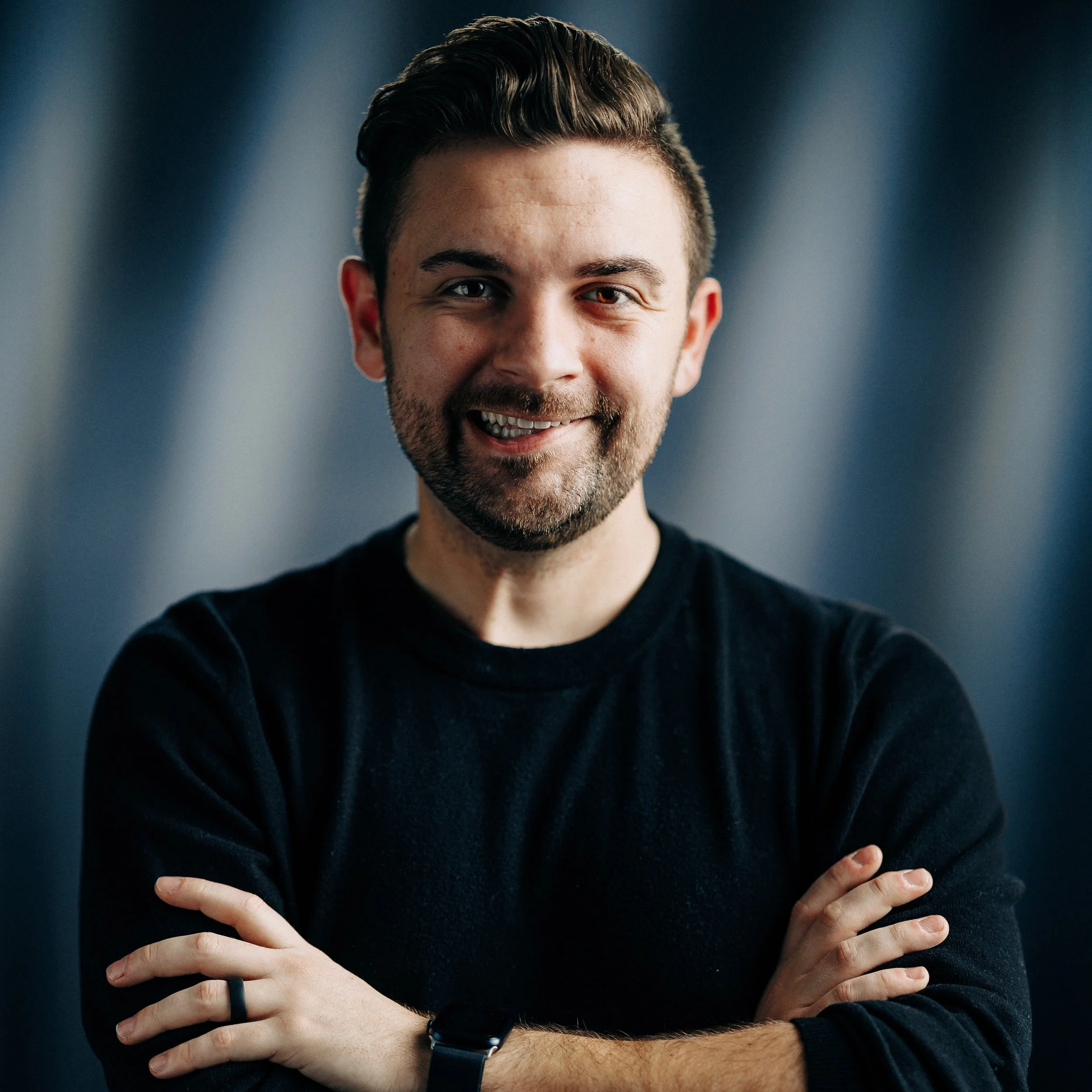
Moderator and co-host Dylan Mitchell
Dylan is the Brand Strategist, Creative Director, and Founder of DM.supply. He’s passionate about helping churches, nonprofits, and businesses of all kinds build brands that are clear, meaningful, and built to last.
Find Dylan on LinkedIn at: https://www.linkedin.com/in/dylnmtchll/
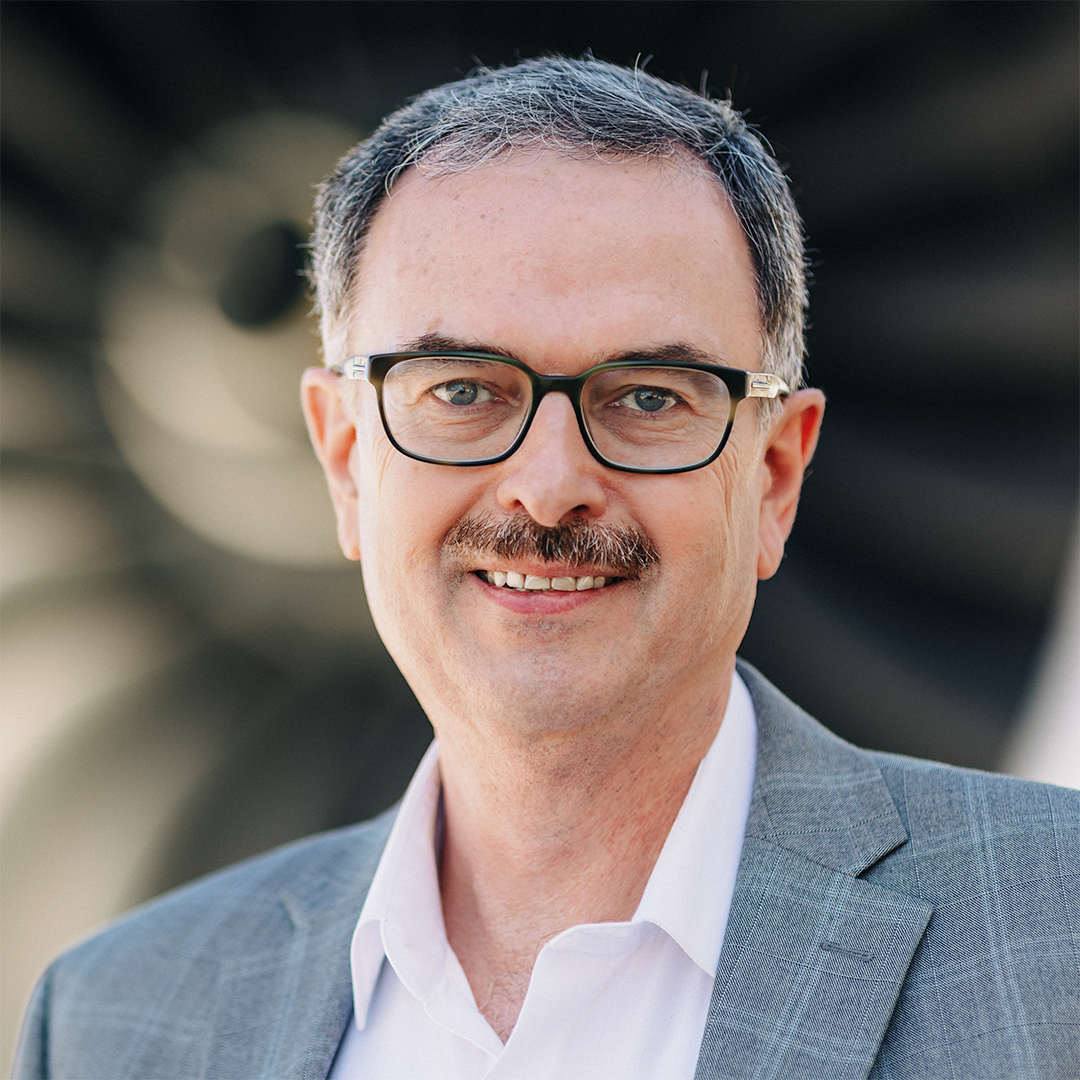
Primary contributor and co-host Todd Tuthill
Todd is the Managing Partner of Rincon Aerospace - A consulting company guiding aerospace companies to exceptional.
Todd is an aerospace executive and systems engineer with more than three decades of experience designing aircraft flight control systems
Find Todd on LinkedIn at: https://www.linkedin.com/in/toddtuthill/
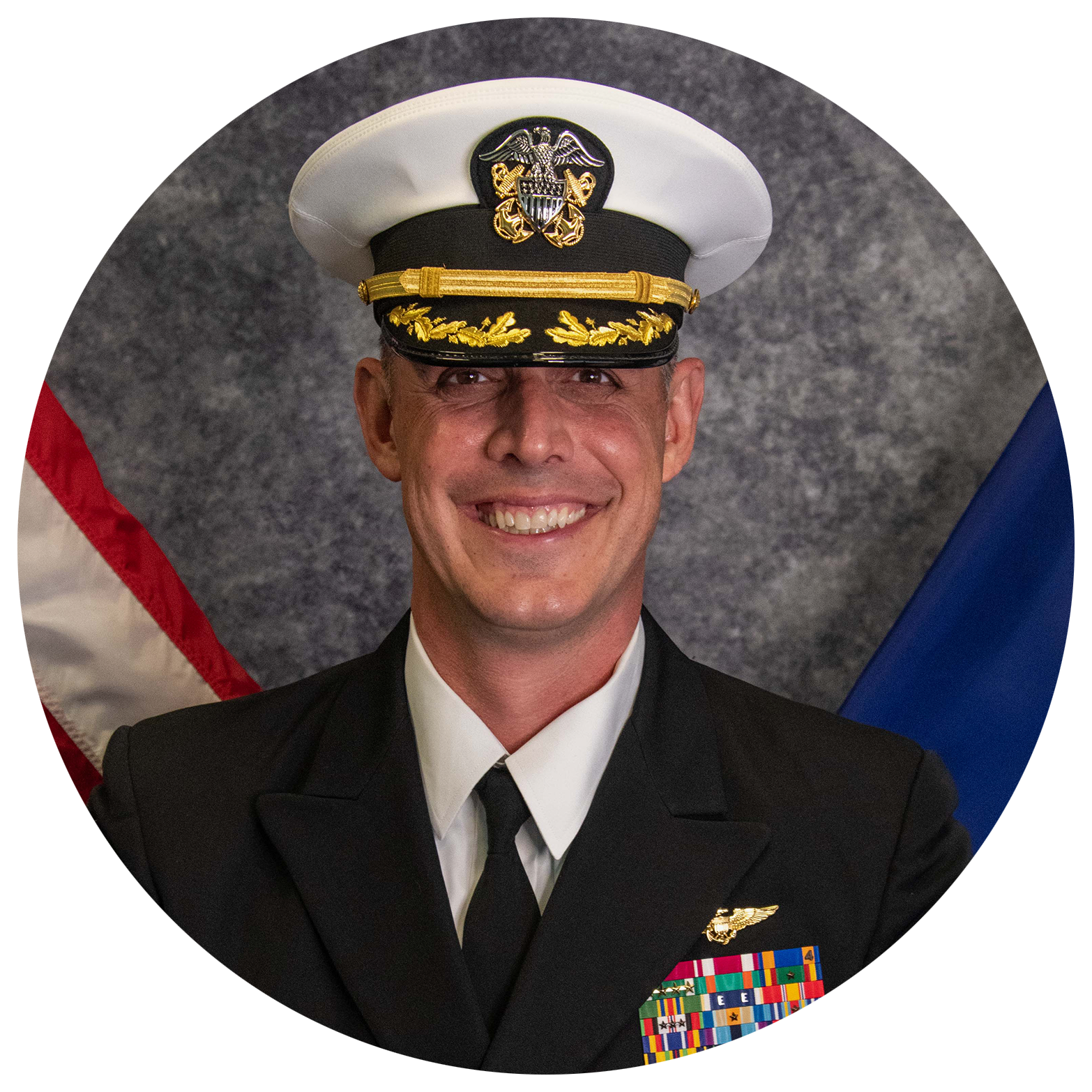
Our Guest: US Navy Alex ‘Scribe’ Armatas
Captain Armatas is a US Naval officer with a nearly 24 year career. He is an active duty F/A-18 Super Hornet pilot, a TOPGUN graduate, former commanding officer of Strike Fighter Squadron 105 the Gunslingers, and the former commanding officer and flight leader of the Blue Angels.
Scribe has said there's nowhere he’d rather be than in a fleet ready room.
Find Captain Armatas on LinkedIn at: https://www.linkedin.com/in/alexander-armatas/
NOTE: The views expressed are those of the podcast guest and do not reflect the official policy or position of the U.S. Navy, Department of Defense, or the U.S. Government.
AI GENERATED TRANSCRIPT: S1E7 - Trust the People That Lead With You with Capt Alex ‘Scribe’ Armatas - Part 1
Dylan Mitchell
Hey everyone, I'm Dylan Mitchell, and this is the Rincon Horizons podcast. This show is about leadership, what it really takes to grow, adapt and reach the summit over the course of your leadership journey. Our goal here is simple to help you lead better so your organization can climb higher. Each episode, I'm joined by my co-host and our main contributor, Todd Tuthill managing partner of Rincon Aerospace. Todd, for listeners who may be joining us for the first time today, would you just give us a quick overview of your background and the work you're doing at Rincon Aerospace?
Todd Tuthill
Sure, Dylan, thank you. It's good to be back and thank you to our listeners who continue to join in. We really appreciate joining us on the podcast today. I'm the managing partner of Rincon Aerospace. We do executive level consulting for aerospace companies. I'm an aerospace industry executive and engineer. I spent most of my career developing flight control systems for aircraft, designing things that fly, or leading the teams that do that. And I've had several roles in my career including chief engineer, director of engineering, vice president. You know, Dylan, I was thinking, this is our fourth episode. It's almost becoming routine. Does it feel routine to you yet?
Dylan Mitchell
You know, it's always exciting. I feel like once you call something routine, it loses a little bit of that magic. And so I want to say no, it's not routine because it's still fun.
Todd Tuthill
And that's what I was hoping you'd say because there's absolutely nothing routine about our guest today. This episode's been in the work for a couple of months or so we've been talking about this and I am fired up to get to record it. I can't wait. I know you'll do the formal introduction, but let me say what an honor it is to have a naval aviator, a combat veteran and a true leader with us. I think today is really going to be a practical class in leadership under extremely difficult conditions. Conditions that most of us can just never imagine. So I can't wait. Let's go.
Dylan Mitchell
I think that's a great way to start it off. like we've said from the we say at the top of every show, Rincon Horizons is a leadership podcast and not an aerospace podcast. But every once in a while, a leadership story is so visible and so demanding. And I'd say so high stakes that it gives us a rare window into what leadership actually looks like when there's nowhere to hide. In another interview I heard with Captain Armatas he that stuck with me.
He said, for those that have been there, you don't need to explain it. And for those that haven't, no explanation will do. So today we're going to try anyway, not just to talk about jets, but to pull leadership lessons out of one of the most demanding team environments in the world. Our guest today is Captain Alexander Scribe-Armatas, a US Navy officer, naval aviator, and a former flight leader and commanding officer of the Blue Angels.
People may know the Blue Angels. I hope you do if you're listening to this podcast for their precision flying at air shows. But what we really want to explore today is what it takes to lead a team like that, where trust is absolute standards are unforgiving and performance is very public. Captain Armatas welcome to Rincon Horizons. We are so glad to have you here today.
Alex Armatas
Dylan, Todd, thank you so much for having It's an honor to be here. Please just call me Scribe or Alex, either one is fine. I sincerely appreciate you having me here. Thank you.
Dylan Mitchell
Absolutely. And thank you for your time.
Todd Tuthill
It's Scribe it is thank you, sir. We'll call you Scribe
Dylan Mitchell
So Scribe to set the stage for our listeners, you give us a kind of a high level 30,000 foot view? Some pun intended of your Academy, Fleet Aviation Command, and then maybe ultimately what brought you to the Blue Angels?
Alex Armatas
I don't what to bore you with the nitty-gritty details of every squadron I've ever been in. I've been in the Navy now coming up on 24 years. It'll be 24 years this May. I was commissioned in 2002 out of the U.S. Naval Academy. Went to flight school from there, flight school for jet pilots then, and actually still is about three years start to finish. three years after that, got my wings June of 2005.
Then to Lemoore, California to learn how to fly the Super Hornet. Spent some time there at the Fleet Replacement Squadron, flying the Super Hornet at Strike Fighter Squadron 122, and then off to the fleet from there. From there, multiple squadrons, multiple different tours, I was fortunate enough to attend and graduate from the Top Gun Strike Fighter Tactics Instructor course, referred to as Top Gun. Back to Lemoore as a instructor at VFA 122, the same squadron that actually taught me to fly the Super Hornet the first time. Another squadron tour in Lemoore then moved out to Virginia Beach, did a squadron tour there. Millington, Tennessee for my only non-flying tour, spent some time out there in what is effectively the Navy's HR department. And back at Oceana and Virginia Beach for my command tour. I was fortunate enough to command the Gunslingers of Strike Fighter Squadron 105 and then from there went to join the Blue Angels.
I have been very lucky to spend a lot of time in a lot of fleet squadrons. I've said my whole life there's nowhere I'd rather be than a fleet ready room. And I've been very fortunate to spend a lot of time in a lot of fleet ready rooms. That was my career in a nutshell as far as what brought me to the Blue Angels. Part of it was timing. A very common refrain in the Navy or in the military in general. I was very lucky with the timing just that it worked out that I could join the team.
Then the rest of it was just applying. I had a very close by the name of John Hiltz, a former two pilot. roommates way back in the day in flight remained our entire careers, really our entire lives. And he effectively called me and talked me into it. So I applied, I think that there's no way I'd get interviewed, and was ultimately selected for the job. very, very lucky in a number of points in my career and in my life to get there and finally allowed the opportunity to go join the Blue Angels.
Dylan Mitchell
Wow, wow, that's a what a career that's underselling it. Twenty four years.
Todd Tuthill
What a career. What a career.
Alex Armatas
24 years this May.
Dylan Mitchell
A follow up question on the end of that. Out of all the roles you held before the Blue Angels, which one do you think maybe shaped you most as a leader?
Alex Armatas
You know, it's that that's a great question. It's really hard to pick just one and I think the development in any really in anyone's life, but certainly in leadership Every stage of your career and every stage of your leadership development has an important role in your development both in terms of what you learn at that point but also the perspective you have I think that I was a junior officer in my very first short tour I had a certain perspective that's specific to junior officers.
There's a lot of things I didn't know there's a lot of things I did know and seeing the people who have gone before me and kind of learning from them and developing my own perspective was important. But I don't know that I could pick just one. Every single tour was important. I think what has been very interesting as I've developed as a leader, as I look back at when I was brand new in the Navy and brand new in naval aviation, I would see people senior to me doing certain things that I thought were either strange or didn't make sense or even I thought were just wrong. And then as I got to their point later in my career, it made a lot more sense that perspective had changed and I kind of understood why they did what they did. I may or may not have agreed with it still but I at least understood it a little bit better. So piece of the career I think and I think this is true for anybody, every piece of your career serves an important role in kind of setting up the next piece and it's important keep developing in that way.
Dylan Mitchell
Sure. Five minutes in and he's already dropping little nuggets of wisdom.
Todd Tuthill
That's right.
Alex Armatas
Ha ha ha.
Dylan Mitchell
Scribe, that's your call sign. lot of pilots at this point in my career. I've met a lot and heard people share the stories behind their call signs. ⁓ Can you share the story behind yours? I know that sometimes there's a lesson that comes with it, or sometimes there's at least a fun story. How did you get Scribe?
Alex Armatas
I don't know that it's a super fun story, but there is a story. So I joined my squadron on deployment. So I finished as I mentioned, VFA 122, excuse me, out in Lemoore California, finished up the FRS on a Friday afternoon, and we're going to be patched the following got whatever that is, five days until the patching, and we're ready to go. And I'm excited about that. And then I get a call from this commanding officer of the squadron, which is very unusual, and he invites me into his office on Friday afternoon, which is very unusual. And he says, you're not gonna be at the patching because you're leaving on Monday. I find out that I'm gonna join my squadron who's on deployment. They're actually in the Arabian Gulf as we're sitting there. rather than spending the weekend being excited about the patching, I spent Saturday, which by pure coincidence was my birthday, spent Saturday putting everything I own into storage.
I went back to the squadron on Sunday to conduct an FCLP carrier landing practice and then I was on a flight to on Monday. I flew to the squadron joined up with them What was probably a day and a half later but felt like a month because of the time zones the sleep schedule And ⁓ that quickly I was with the squadron on a carrier in the middle east ⁓ on deployment.
Todd Tuthill
At that point in your career, how much time have you spent on a carrier before your first deployment?
Alex Armatas
I had spent a grand total of three or four days probably. had enough time to carrier a qualify on the T45 and then a second time in the F-18. That was about it.
So much longer answer than you wanted, but I get to the squadron. I'm there for a couple of days and again, kind of a coincidence, but a few days later we're in a port call. It couldn't have been more than a week. We are as a squadron in a port call in Dubai in the United Arab Emirates and we go out the first night as is the tradition in the Navy. Everybody goes out pretty big on the first I have no problem with drinking. It's not a, I don't have any kind of philosophical objection to it. It's just not something I never got into, but I'm part of the squadron, so I'm still out there with everybody.
So ⁓ go big that first night. Everybody gets a hotel room. We're all sharing. We all wake up the next morning. People are having their coffee, kind of licking their wounds and trying to piece the night together. And of course, I'm there. And I'm like, I can help you with that. I know exactly what happened. I was there and I remember it all like it just happened. And that's what we did. We kind of went around the room and I filled in all the gaps in people's memories.
After a few more experiences like that, I kind of became the keeper of history and Scribe was the term they used.
Dylan Mitchell
Thanks That's a good one. That's one of the better ones I've heard, I think.
Todd Tuthill
As Dylan said, most of us have been to Blue Angels show. We've seen it, we've seen the precision. And you were the commander of the Blue Angels. And I think a lot of people see that and think the commander of the Blue Angels, he's the guy that's in the big jet with the one on it. He flies at the top of the diamond. But I'm guessing there's a lot more to it to be commanding officer of the Blue Angels than just flying the one jet. Can you describe some of the different responsibilities of being the Blue Angel boss?
Alex Armatas
Everybody on the team has multiple jobs, at least two, some people more than that. in my case, I had two titles. I was the commanding officer and flight leader. And those are still the titles used, commanding officer and flight leader. And what I've told and really what I've found to be true was you're always both. You're never doing them at the same time.
At any given moment, I was either functioning as the commanding officer of the squadron or functioning as the flight leader of the flight demonstration. So to answer your question, really focusing on the commanding officer piece, the Blue Angels are still a Navy squadron. They still do Navy squadron things. There's some parts of their mission and parts of their operations that are unique to the squadron that no one else does. But at the end of the day, a Navy one of the of the Blue Angels is that you formerly commanded an operational fleet the reason they do that is that learning the demo and learning to be the flight lead and learning how to command a squadron at the same time is just too much. It's too much, it's too many things to learn all at once. And I think somewhere well before my time, somebody figured out that what we can do is bring in a former commanding officer who already knows how to run a squadron. And then the focus for that first part of the first year can at least be on the demo, expecting that they already know nuts and bolts of how to run a command that was part of that.
To answer your question, ⁓ there are certainly some unique challenges to the Blue Angels. The Blue Angels are a very small, very lean unit, if you will, by Navy standards. For the number of aircraft they have, they're significantly, I guess, at a lower level of aircraft maintainers than you would see in an equivalent-sized fleet squadron. And then there's a lot of other departments within the squadron that don't exist in a fleet. For me, learning some of those aspects, things I had encountered before, dealing with a very unique mission problems that come with a very unique mission, all of those things were what chewed up a lot of my time as the CO.
Todd Tuthill
You described two roles, two jobs, commanding officer, flight leader, and you said you're never doing the same job, one of those jobs at any given time, you're not doing both at the same time. How hard is it to switch between the two modes and what are lessons you can teach other leaders who have to wear multiple hats?
Alex Armatas
I think I would say it was not that hard to switch because that team has built a tradition and a history of very, very rigid kind of procedures and traditions and things they do that leave no doubt at any moment as to what you're doing and what you're not doing. And something I've shared before that I've always thought was really, piece of what the Blue Angels do is leading into our flight briefs. Before every single brief, every single flight, every time we fly a demo, the team will brief together.
Leading up to that brief, and that brief starts, at whatever time it starts, typically about 2.15, 2.45, let's call it 2.15 in the afternoon. Ten minutes prior to that brief, and really even going back further, an hour or 45 minutes, depending on the show, we'll say 45 minutes prior to that brief, every single officer that's there is gonna be in the squadron spaces. Ten minutes before the brief, they're gonna be in the room. Five minutes before the brief, they're gonna be in their seats. One minute before the brief, everybody is silent, and then the brief starts on time to the second.
That is part of what helps. we start that brief at, two fifteen and zero seconds, it is demo time. There is no other focus right then. Nobody's going to talk about anything in the command but the demo until we finish that demo at the end of the, in that sense, it was very easy for me to switch. I sat in that chair all silent for that last minute, was very easy and maybe easy is the wrong word, but it was very clear to me that it was time to focus on one thing and one thing only and anything in the squadron was going to be dealt with later.
I had a lot of support. I didn't do any of this alone. It's a team. It's always been a team and it's a team for a Lots of folks who are leading in that squadron. It was certainly not just me. That team is loaded with talented people, with capable leaders and people that can keep the squadron going. I just had a small part in all that. But switching back and forth, I thought was difficult. It was not that difficult, rather, at least knowing which role I was in. But like anything else, we're all human and we all get distracted. So when things were going on in the squadron, there were times that I really had to make a conscious effort to shift my focus one way or the other.
Todd Tuthill
You're flying the same show every day and I think even trying to fly exactly the same show every day. What are some of the differences, show to show, brief to brief, that you would see?
Alex Armatas
Great question. So that's the goal is to fly the same show. The team actually has four shows they fly and they're all different based on weather and really cloud ceilings is what we're mostly concerned about. So ideally in a perfect world with a clear day, the team's going to fly what's called a high show, is the most, the longest show and kind of the most stuff if you will, during the demo, excuse me.
The other shows get lower and lower and lower. Believe it or not, the second highest show is actually called a low show, which is a little counterintuitive. Then you go down to what's called a flat roll show. And then finally a flat show. A flat show can be all the way down to a thousand foot overcast ceiling. pretty low by aviation standards. And then.
One of the really nice things about all those shows is they all use what's called a common ground track. As you develop more experience, certainly as the flight lead and get more comfortable with the various demos, it's actually really easy. And I have my predecessors to thank for this as they put the Super Hornet demo together. It's very easy to shift between shows because your ground track doesn't change. So it's really just whether or not you're going to go up in a given maneuver or not.So that's the demo.
In terms of show sites individually, every single one of them is different. Every show site is like a fingerprint. They've got their own ⁓ unique aspects. They're all a little bit different and they've all got some things that are maybe a little easier than others, a little more difficult than others. And an interesting topic in the sense that everybody on the team has different memories of different show sites. For me personally, when I think of a show site, the very first thing I think of, It's not the weather, it's not the people we met, it's the show site itself.
I remember the show sites that have buildings in inconvenient places or cell phone towers that surprise me or power a spot where you don't really want power lines. All the physical stuff that affects how you fly a demo. We spend quite a bit of time, the team does what they call circle and arrival. It's the very first thing they do before they actually do a practice demo where all the jets will go out and basically fly all of their lines.
All their different maneuver lines, all their of positioning and look for obstacles. do a ton of chart study, we do a lot of work pre-show to study the area. But at the end of the day, the only way to really nudge down on that stuff is to go out and see it for yourself. Google Earth is kind of our go-to. Google Earth is a fantastic aid to get a feel for a show site. But I couldn't tell you how many times I've had a, let's say, the corner of a warehouse was my checkpoint. And when I got out there, there was either no warehouse to be found where there used to be or more often than not where there was one warehouse now there's 10 and I've got to figure out which one it is the only way to really figure that stuff out for a given air show weekend is to go out there fly the airplane and see it for yourself.
Dylan Mitchell
When I think about, doing that, the pre show, the pre practice to the leading up to the actual demo, when the team is flying inches apart at hundreds of miles an hour, trust isn't something that's really a ⁓ theoretical thing anymore. It becomes, something that's very literally practiced. How do you build and maintain that level of when, any fleet, any fleet squadron? People are being rotated in and out of the team, not at random, but people come and go and there is turnover. do you build and maintain that level of trust?
Alex Armatas
Yeah, great question. Trust is central to the team. is part of the mission statement of the team. It's a big deal. But the way we do it is the same way we do it every year. The team has a very predictable routine and a very predictable season in terms of how they there have been breaks in the were unable to do that. But for the most part, way it works is that very last air show.
The last air show is always in when that team finishes that last air show, and bear with me, it's kind of weird starting at the end of the season, but this will make sense. You finish that last air show, we call it drop a salute. So the six Delta pilots will drop that salute for the last time. And that is the moment the team turns over. So when they drop that last salute, at that moment, all the parking spots have already been relabeled. All the office doors have already changed. The team has turned over in that very moment. And we start the next season.
That's a Saturday. The team typically takes Sunday and Monday off. And then on Tuesday, three days later, they're starting over. They're basically back to square one, and they're building a new team to get ready for a new air show season. They'll spend November and December in Pensacola, flying five days a week, Monday through Friday.
Dylan Mitchell
Wow.
Alex Armatas
And then they'll head out to El Centro, California in early January, typically the first work day after the new year. They'll fly out to El Centro and they'll fly 15 times a week. They'll fly, they'll alternate two flights a day and three flights a day for six days a week. They'll fly Monday through Saturday, take Sunday off and then get back to next day. That will basically take them through the first or second weekend in March where the first air show happens. And that first air show is in El Centro, And then they're off and running
Dylan Mitchell
Wow.
Alex Armatas
From there, after that, it's 31 more shows. The team does 32 shows a year starting with El Centro and ending with Naval Air Station Pensacola. And there's another 30 in lot of time on the road, a lot of time building that trust. And to your original question, Dylan, trust building and that team building, as I was fond of reminding my team, the finish line is not the first show in March. It's the last show in even through the season as the team.
They're continuing to refine those maneuvers. They're continuing to get those reps they need to get better. They're continuing to get lower, get closer together, and that stuff goes right up to the very, very end of the season. The season doesn't end until that last salute in November. And then the folks leaving the team can relax. The folks staying on the team have to shift gears and focus on building a new team to do it all again.
Dylan Mitchell
That's intense. narrow the question down even more, how many people turned over whenever you became boss? how many people were you inheriting from the last team?
Alex Armatas
Every year it's about the same and these numbers are a little bit rough, but the team is roughly 160 personnel in total. All of the enlisted personnel are on three-year orders. The officers kind of split between two and three-year orders. So what that ultimately means is the team as a whole a third of the team turns over every two-thirds of the team comes back and a third of them leaves, which is a massive amount of turnover. And for the officers, 17 officers, roughly half of them leave every year so you're losing half your officers a third of the team in each November.
Dylan Mitchell
Wow, last follow up on that I can. As you're coming in and you're starting over, they're not starting over, but they are starting over. You are starting from scratch, kind of in a sense as a leader. How do you enforce, team building and team but also unforgiving standards without creating a fear based culture, especially for those new people coming in.
Alex Armatas
Great question. A lot of challenges there. One of the challenges, we talked about the amount of turnover. What's also important that's unique to the Blue Angels is not only is there a lot of turnover every year, but it all happens all at once. Like I said, it happens on one day. You turn over all those people. There's a lot of turnover in fleet squadrons too and fleet units, but that's generally a little bit level loaded over the course of the or four people every week or maybe less than that. people in a day.
Turnover happens very, very quickly and it all happens on the same day. One of the things we do, and at least one of the things I did, and I'm by no means the gold standard for leadership or even Blue Angels leadership, but I can tell you what I did. We got everybody together and talked about it. We got the whole team in a room and reminded everybody some of you are extremely familiar with this and extremely good at it and have done it for two years.
Some of you have never seen this in your life and you're about to learn how to do both of those groups need to recognize the other group and understand their role in the whole thing. The team uses the term newbie to basically refer to anybody in their first that's officer enlisted alike. Everybody does their first year as a newbie they learn from what are called the oldbies because we're not that clever. So we just created a word.
Dylan Mitchell
Ha
Todd Tuthill
Ha
Alex Armatas
The old bees are the ones that teach the newbies how to be Blue Angels. There is a closely watched standard for that. And just like any military unit, we've got a chain of command and folks that are supervising other there's a process that the team follows every single year and it ebbs and flows and changes a little bit from one year to the next. with very few exceptions, it's a pretty solid, pretty successful process gets you great team every March.
Todd Tuthill
You have an aerospace engineering degree, I believe, from the United States Naval Academy. a couple questions there. Number one, why did you choose to study engineering? There had to have been all kinds of things you could have studied at the Naval Academy. And since you studied engineering, how has that really helped you as pilot and a leader?
Alex Armatas
I do. I do have an aerospace engineering degree. I appreciate you not referring to me as an engineer. I think I'd be doing a disservice to the actual engineers in the world in that sense that I do have the degree. I've never actually practiced engineering in the real world.
I chose this path really because I love airplanes. I fell in love with airplanes at a very early age and it was something I was interested in and wanted to be close to and wanted to learn as much as I could about it. In hindsight, it was maybe not the best decision basically because I wasn't a great student and I really struggled early on. Aerospace engineering is difficult and it was hard for me to figure out how to be a student at the Naval Academy But fortunately for me, I figured it out eventually and managed to graduate.
In terms of how it helped me, certainly as an aviator, I think that it gives me a lot of background and it has helped a deeper understanding of what the airplane's doing when I'm flying and how things are interacting and what to expect from certain things. Certainly not to the degree that you're going to find in a test I think in a lot of ways I had some deeper understandings and certainly also had an interest in learning more about a lot of the systems in the airplane.
I am not all that diverse in terms of the aircraft I've flown. The vast majority of my been in the Super Hornet. I've flown the Super Hornet my whole career. I've got a little bit of time in the T-34 and T-45 through flight school and it's been all Super Hornet ever since. I think I have 39 hours or something, some very small number of flight time in the Legacy Hornet, the A through D. Everything else has been EF. a lot of time in the Super Hornet. It's allowed me the opportunity to learn a lot about the airplane. It's also challenging in that the airplane is always getting better and changing and it's hard to keep up with that sometimes but the degree has certainly helped me there.
In terms of how it's helped me in leadership, I think that it has allowed me to build a good amount of credibility career Super Hornet later in my career as a leader in Super Hornet commands. Credibility is important and I think it matters and being able to stand in front of a group of professional aviators that fly the Super Hornet and be able to talk to a position of knowledge and authority about the airplane itself I think is valuable and I owe a lot of that to my background in engineering.
Todd Tuthill
You talk about some of the systems inside the aircraft and your knowledge of the systems. And if you think about your role as a pilot and maybe as a, maybe other pilots, how much do they understand the inner workings of the systems as to just how they operate inside a Super Hornet, would you say?
Alex Armatas
So first of all the airplane, I'm a huge fan of the Super Hornet. As I've said, I've flown it my whole career and I love it. I think it's a fantastic airplane. I think it's gotten even better over the years. It is designed so that you don't really have to worry about those things.
It is a single seat aircraft in its basic design. There are obviously two seat versions and the two seat version is very capable. But if you follow the history of the airplane back all the way to the,to name it wrong, but the lightweight fighter competition, I think it was called back when it was the F-16, F-17. If you go all the way back there, it was a single seat aircraft. And those routes are still evident in the airplane. The airplane was built to be operated by a single person.
The Super Hornet can do that. There's obviously a huge number of single-seat jets out there and the intent, if everything is working properly, is that the pilot doesn't really have to concern themselves too much with the internal workings of the airplane. They just tell it what they want it to do and it does it.
Where the deep understanding of the systems really comes in handy, obviously in handling any kind of emergency, which doesn't happen often, but does happen. If you have a malfunction in the airplane, certainly like a major malfunction, something like that, it certainly helps to know what's happening in the jet. And then really where Top Gun shines and where they make a lot of their money, if you will, is teaching folks to really understand the combat systems and exactly how things work. And more importantly, exactly where things can go wrong if you don't know how things work.
I don't know that I answered your question except to say that it is a effort by everybody that flies that airplane and I presume most airplanes to stay as current and as fresh as you can with as much information as you possibly can. difficult. Things change in the airplane. Things change in our brain. We have those bits of knowledge that stay for a while and then they disappear and got to refill an ongoing effort stay up to speed.
As I was very fond of saying when I was an operational CO and I'll continue to say in my career, I tell people you've got to know the tactics and you've got to know the airplane. I would never dare say one is more important than the other. They're both extremely important and understanding both is critical to being effective in flying the airplane.
Dylan Mitchell
That's all the time we have for this episode, but this conversation isn't anywhere close to being done. We're going to pause here though, and we'll pick it up in the next episode.
Huge thank you to Scribe for joining us today and Todd, as always, thank you so much. Thank you to you who are listening on the other side of the headphones or the speakers on every episode of Rincon horizons. We unpack the moments and decisions that shape us as leaders at home, at work and everywhere in between. Our goal is simple. We want to help you lead better so your organization can climb higher.
If today's conversation resonated with you, please like and subscribe and ultimately consider sharing it with a friend or a colleague who's on their own leadership journey because we are all on our own.
You can learn more about Todd and Rincon Aeospace over at Rincon.Aero. That's R-I-N-C-O-N.Aero. I'm Dylan Mitchell. You can find more of my work at dm.supply. Thanks for listening and we'll see you next time on the Rincon Horizons podcast.