

Trust the People That Lead With You with Capt Alex ‘Scribe’ Armatas - Part 2
Trust the People That Lead With You with Capt Alex ‘Scribe’ Armatas - Part 2
The Rincon Horizons podcast is where we talk about what it means to reach the summit on your leadership journey. We want to help you lead better so your organization can climb higher. Todd and Dylan welcome US Navy Captain Alexander "Scribe" Armatas, an experienced combat pilot, TOPGUN graduate, and the former commanding officer and flight leader of the Blue Angels.
Episode Summary
In this episode, we explore leadership within high-stakes, demanding environments. Captain Armatas shares leadership lessons from his 24-year military career, including the need for trust not micromanagement, and the belief that leadership is personal, not a formula.
Key Takeaways
Trust not Micromanagement: Micromanagement is the biggest mistake a leader can make because it destroys trust, crushes creativity, and sends a terrible message to the team. As your responsibility scales, your reliance on trusting others must scale with it.
Navigate Change Respectfully: When taking over a new team, observe and learn from the existing dynamic before stepping in to make changes.
Stay Humble and Keep Learning: Never assume you have everything figured out, regardless of how skilled you think you have become.
Prepare Mentally for High-Stakes Situations: Leaders must mentally prepare themselves for difficult or high-stakes situations long before they actually encounter them.
Recognize Leadership is Personal, Not a Formula: There is no universal "recipe" for leadership that you can pull straight from a book. Effective leadership is deeply personal, heavily reliant on interpersonal relationships, and requires an understanding of both yourself and the individuals you are leading.
Links mentioned in the podcast:
Rincon Aerospace: https://www.Rincon.Aero
DM.supply: https://www.dm.supply
Books recommend in the podcast:
Flying in the Face of Fear: A Fighter Pilot's Lessons on Leading with Courage by Kim “KC” Campbell https://a.co/d/0aSvtv3Z

Moderator and co-host Dylan Mitchell
Dylan is the Brand Strategist, Creative Director, and Founder of DM.supply. He’s passionate about helping churches, nonprofits, and businesses of all kinds build brands that are clear, meaningful, and built to last.
Find Dylan on LinkedIn at: https://www.linkedin.com/in/dylnmtchll/
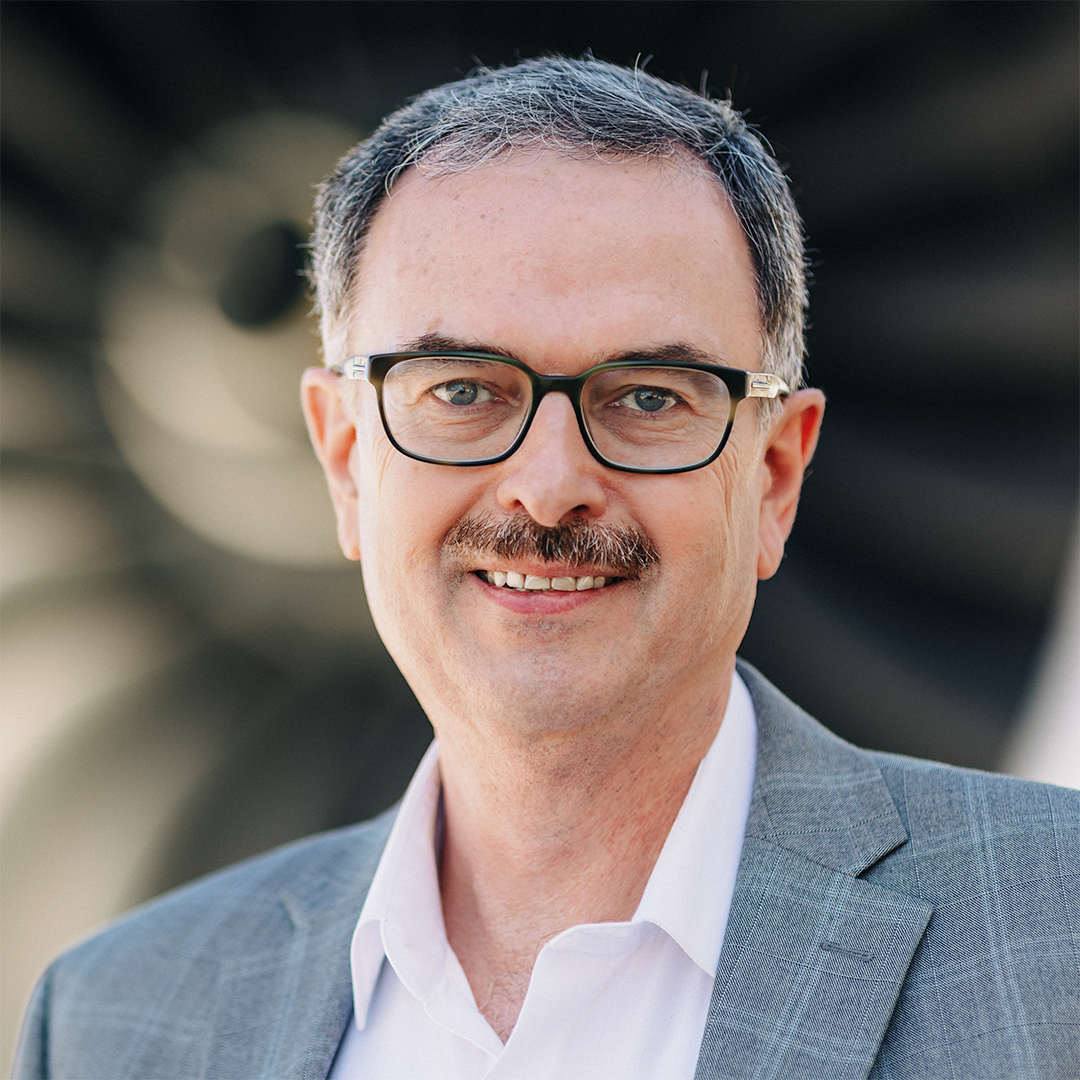
Primary contributor and co-host Todd Tuthill
Todd is the Managing Partner of Rincon Aerospace - A consulting company guiding aerospace companies to exceptional.
Todd is an aerospace executive and systems engineer with more than three decades of experience designing aircraft flight control systems
Find Todd on LinkedIn at: https://www.linkedin.com/in/toddtuthill/
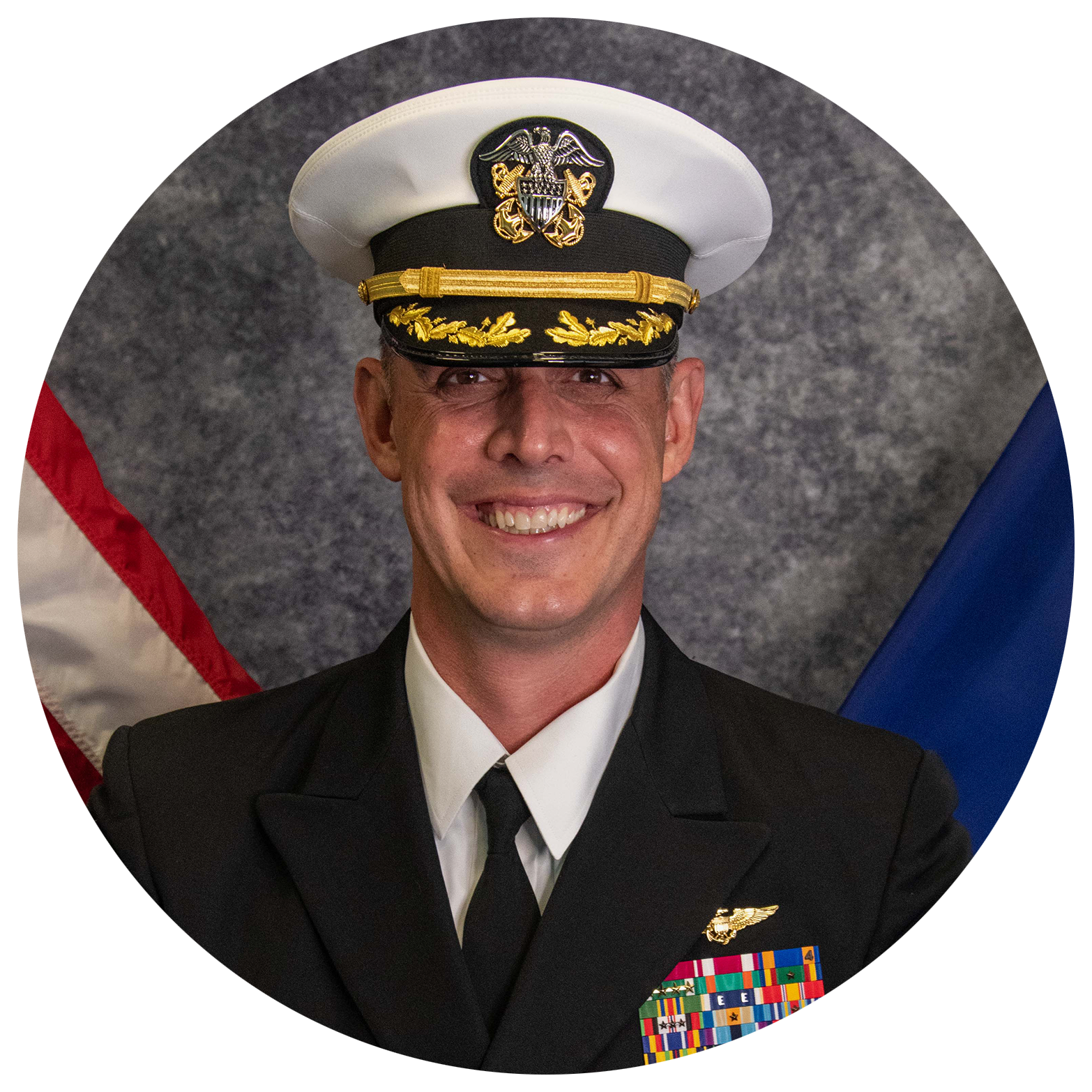
Our Guest: US Navy Alex ‘Scribe’ Armatas
Captain Armatas is a US Naval officer with a nearly 24 year career. He is an active duty F/A-18 Super Hornet pilot, a TOPGUN graduate, former commanding officer of Strike Fighter Squadron 105 the Gunslingers, and the former commanding officer and flight leader of the Blue Angels.
Scribe has said there's nowhere he’d rather be than in a fleet ready room.
Find Captain Armatas on LinkedIn at: https://www.linkedin.com/in/alexander-armatas/
NOTE: The views expressed are those of the podcast guest and do not reflect the official policy or position of the U.S. Navy, Department of Defense, or the U.S. Government.
AI GENERATED TRANSCRIPT: S1E8 - Trust the People That Lead With You with Capt Alex ‘Scribe’ Armatas - Part 2
Dylan Mitchell
Hey everyone, I'm Dylan Mitchell, and this is the Rincon Horizons podcast. This show is about leadership, what it really takes to grow, adapt and reach the summit over the course of your leadership journey. Our goal here is simple to help you lead better so your organization can climb higher. We're picking up right where we left off with Rincon Aerospace managing partner, Todd Tuthill and Captain Alexander, Scribe, Armatas
Going back a little bit, looking at your career so far, you've led at a lot of different smaller operational units to something like a globally recognized team. What would you say changes about leadership as the responsibility scales? And I guess maybe more importantly, what doesn't change no matter how big the organization or the team gets?
Alex Armatas
Two very good questions. One thing that I think changes as a leader, at least hopefully in the correct direction, and we can debate all day about what is good and what is bad leadership, and there's probably not a single two people that would agree across the board on that, but just like anywhere else, certainly in the corporate world, and I'm sure the military is the same way, but you start out with a very small amount of responsibility.
My first, I guess, official leadership role, if you will, was as a division officer in a fleet squadron with a division of maybe 20 people. Even with those 20 people, I still had a division chief who was my overall supervisor who was extremely experienced. The chief petty officers in the Navy are the salt of the earth. They've seen things forever and they've been around a long time and are very knowledgeable. even that baseline experience level, I'm trusting my chief do a lot of things that I either don't know how to am not really suited to do to begin with. That trust just starts out between a division officer and their chief and that certainly grows as you get more senior, as you move up the chain, as you become a department head, and certainly as a commanding officer, you're still trusting people to do their job and fulfill their role as leaders within a unit. And the only thing that doesn't change is the requirement to trust those folks.
I believe the single biggest mistake you can make as a leader is to micromanage. I think micromanagement the worst thing you can do in leadership. I think it undermines trust. I think it stifles creativity. And I think it sends the worst possible message you can to people with which you operate. With that, my approach has always been, and I think most people's approach is that you have to trust the people that lead with you.
What changes as you develop, as you go through that career, is the number of people you're trusting. when I was a division officer, I had to trust my chief. I had to trust my leading petty officer, those two people who I knew very well. By the time I was an operational CO, I'm trusting the entire chief's mess, all of our first class petty officers, all of the other officers in the command. They all are part of the unit and they all have their own individual roles and responsibilities as leaders. And I'm expecting all of them to do that and do that correctly.
I'm not interested in, nor do I have the time to do all of their jobs for them. And I also think if I tried, it would be terrible for everybody involved. That part changes. The number of people that you're relying on to carry the water, if you will, for both a leader and organization in general, grows rapidly as you find yourself responsible for more and more.
But what doesn't change is that need, that requirement to trust people other than yourself never goes away. If you ever find yourself in a position where you can't trust anyone but you to do the job, that's a really bad place to be and it's probably not going to work out very well.
Dylan Mitchell
You've talked about how the ready room personality changes overnight when half the officers rotate and other personnel rotate out ⁓ when that kind of transition happens. What are and I guess?
Specifically what were the first few things that you did to stabilize culture and stabilize that teammate quickly you don't really have a lot of time to play around with. As you said, you know, going straight into flying rapidly.
Alex Armatas
In the Blue Angels in particular, it's challenging. You show up as a newbie. For the officers we show up about two months before the end of the season and begin shadowing our counterparts. In my case, was Captain Brian Kesselring before me. And I basically showed up and just watched what he did and followed him around and learned as much as I possibly could from him. There's more than you could possibly learn in that amount of time and a lot of it, especially about the demo, you really can't learn until you do it. What that does give you, and it gives everybody on the team, is it gives you an opportunity to see what's going on and pay attention. So to your question, the very first thing I did, and I made it a point to try to be as reserved and as quiet as I possibly could. I just wanted to watch what was happening and try to pick up on every cue I could, watch interactions between different people.
Basically get as much as I could out of the interactions from the returning team members and the folks that were there and learn as much as I could. Once the turnover happened the ready room personality does change overnight, I think it changes maybe a little bit more during the boss years. Each boss is only a two-year job, so every other year there's a new boss. When you're sitting at the head of the table as the new number one and everyone's watching you for what you're gonna do and how you're going to react. I made it a point, I don't know how well I did this. This would be a better question probably for the folks that were on the team with me than it would be for me.
My goal was to make changes that I thought were important for the team, but to do it slowly. The last thing anybody wants is to have a new boss come in and sit down and be like, all right, here's my list of things. they're all right now, this is how we're going to change all these things. Because it's just.
It's very difficult for people to adapt that quickly to major major change It's not to say you can't do it. But if it's not really called for and in my mind The only point in which I would do something like that is if I thought not making a change was going to get somebody killed or destroy an airplane. The team I inherited from Captin Kesselring was in great shape there was zero concern in my mind that we were on the cusp of something really bad happening.
So what that allowed me is it allowed me the time to make these changes, these incremental adjustments to the team, the culture, the things we did. We made some changes, but none of them were urgent none of them were things that had to change right away or something bad was gonna happen.
Dylan Mitchell
I would say that even taking that mindset, into corporate America, I've seen and watched CEO's transition in and out of roles or companies transition leadership, churches, transition leadership, watching how someone, there are changes that people can recognize, say these need to be made, but a good leader knows, this is a change that needs to be made.
This is not a change that needs to be made today though,let's forecast this. Let's put it down the line. Let's put it on road map, but it's not a today thing. And then there are, as you said, the changes that do need to be made today that are, in your case harmful to a jet or to a pilot or to personnel. And then, maybe more in the corporate world, this is harmful to a product or this is harmful to the team. I think that's really good.
Alex Armatas
Yeah, I agree. I think the one of the other challenges that comes with that too is the credibility piece we talked about earlier that you feel that a little bit more, When I sat down at that table for the first time day one as boss and I have not even touched a blue air. Well, I guess I've touched one, but I've not flown a blue airplane. I've not been in the front seat. I'm flanked by, folks in blue flight suits that just finished 300 days on the road season, 32 show sites, flying demos day in and day out.
And to sit there at the head of the table and be like, hey, this is what we're do now is very difficult. And it was something that I wasn't really interested in doing until I could get my feet under me and really start to build my own credibility in that ready room and in job to make sure that they understood it. We made some little changes. Most of them for me personally, especially, were focused more on the squadron side of things and less on the demo until I could really start to understand the demo and get better at it. And then we made some little changes here and there.
The other challenging thing about that I just want to bring this up because I think it's fun to think about and worth mentioning. Obviously we all want to know how we're doing, how we stack up. And it's very interesting because in the Blue Angels in particular, because it's such a unique organization and it's had such a small, certainly compared to the rest of the military, such a small number of people, there's really nowhere to, no way to know how you stack up. I may have been the best boss the Blue Angels have ever had. I also may have been the worst boss the Blue Angels have ever had, which is probably more likely, but there's no way to know that.
The only people that can even compare are people that have been on the team with more than one commanding officer. And in most cases they can compare just those two people time on the team doesn't even spread beyond that. There's no objective measure of the quality commanding officer and a flight leader or really a leader in general in an organization like that it's tough when you're sitting in there and you look at the people that have gone before you and you know they were successful but you don't know anything more than that. Wondering how you're going to stack up against that against such an elite group of folks is intimidating for sure.
Todd Tuthill
We've talked a lot about the Blue Angels for obvious reasons in this podcast, but I want to make a switch of it because you've done more things than just the Blue Angels. You've done several combat tours in your career and I really want to talk about leadership with respect to combat. And if you could compare leadership in combat versus leadership in training versus maybe leadership in the Blue Angels and how does it change? Is it different or is it not?
Very few of us have ever led in combat so that insight would really help us.
Alex Armatas
Sure, I think that's a great question and I think you'd get a lot of different answers depending on who you ask. Some people would tell you leadership's leadership. It doesn't really matter what you're doing. Personally, for me, it was a little different. I appreciate you reminding folks, by the way, that I've done more than just lead the Blue Angels.
I spent two of 24 years with the Blue Angels, but as is the tendency, if you're a part of that organization, that tends to be you'll be known for. I shouldn't complain. There's worse things.
To your question about leadership, I think leadership of any organization is challenging. For me personally, when we went into combat and we started executing actual real world operations, I don't know that my leadership style changed per se, but you certainly start to focus on different things and you very quickly figure out what's really important and as transitioned, seven times now, six of which have been what would be considered combat deployments, mostly in Iraq, Afghanistan, and Syria. We're actually executing real-world operations, and carrying out the tasking that comes from our higher authorities and our leadership.
The mindset changes a little bit when you when you're training. One of the really beautiful things about training is obviously you can make mistakes and there's very little penalty You're gonna hear about it and you're gonna have to debrief it and you're gonna figure out how to do it better. But nobody gets hurt nothing really bad happens the intent of to train so that when it's time to execute in combat you don't make those mistakes.
We, as I think a larger organization, the Navy and certainly Naval Aviation have seen pretty good success in that approach. You know the old saying, you don't rise to the occasion, you fall to the level of your training. That has been the mindset Naval Aviation for a long time. And there are exceptions, but for the overwhelming majority, folks train and train and train and train and learn how to do something very well. And then when they go out and do it in combat, if you do it just like in training, it'll generally work out.
There are some differences though. One of them is that we have a lot of what we call training rules are intended to limit risk where evolutions could potentially put people or airplanes in jeopardy. So we have training rules that we follow to make sure we don't put ourselves in a really risky position during training. Obviously in combat, those rules don't exist. That's why they are called training rules. And it I made it a point to remind folks that training rules don't apply. It's important that you understand when you're in a real combat mission training rules don't apply.
The flip side of that coin is that's also not just a free pass to do something insanely dangerous that you don't really need to do to accomplish the mission. Taking the handcuffs off, if you will, is a good thing in the sense that it allows folks the freedom to do what they need to do to accomplish the mission. But it needs to be tempered with a reminder that you're a trained professional aviator and you to make prudent, intelligent decisions based on what you've learned at that point. In that sense, think combat leadership is a little bit different. we talked about priorities.
Running a squadron and worrying about there's a lot of administrative requirements and ancillary requirements that come are part of running a squadron. When you get into combat ops, those tend to take a back seat and rightfully so in my opinion, paperwork burden, if you will, of being in a of goes away while you focus on the task at hand.
Dylan Mitchell
Following up with that, what new things did you learn about yourself personally ⁓ as a pilot or a leader, once you were actually put into that combat position?
Alex Armatas
I spent, and this is something probably good for a lot of folks going into combat, but you could certainly expand this to other leadership scenarios. I felt like I did a decent job of preparing myself for some of the more grisly realities of combat operations and what comes with a job like that. I spent a significant amount of time thinking about that stuff and preparing myself to go on a combat deployment and I and what I learned about myself is I think that preparation was worthwhile. I think just like training in the aircraft mentally preparing yourself to do things like that is important and what that allowed me to do was at least in my assessment performed to the level that was required of a combat aviator.
I don't know that everybody does that. I think most people do. Most people give it some thought. I have had colleagues who have - surprised is maybe the wrong word - but have been maybe felt like they were under a lot of pressure to figure out how they were going to handle something that I thought they should have thought about a long time ago. Obviously when you're talking about combat operations, it is quite literally a matter of life and death in a lot of cases.
If you haven't given much thought to how you're going to handle the life and death reality of combat, the time to do that is not when you're actually in the moment. You've got to get ready for that and prepare ahead of time. I think there's a lot of parallels to things like that. Certainly it's a little bit more severe and the penalties are little more the case of military combat operations, but you can apply that to any number of things.
Dylan Mitchell
As we've talked about throughout this show so far you have spent your career in those environments, where life and death are the reality. Whether it's training or not. I think life or death has its place in training as well. You see training accidents happen not all the time, but enough to be talked about. But in environments where preparation discipline humility, those aren't optional traits necessarily for a leader. Those are things that you have to possess those qualities in order to be good leader. When you step back and look at all of your experiences over your career, what leadership principles do you think consistently matter the most if you're boiling it down to, the top five, the top three, whatever that looks like?
Alex Armatas
I try to remember 30 second elevator speeches on leadership and how to make it better. I've accumulated my share of sayings over the years and hopefully some of them will be of value to people as we talk about this stuff. One thing I've, and I stole this from somebody, I don't even remember who and I've kind of adapted it to my own applications, in my opinion, people really need two things to feel like what they're doing is worthwhile and to feel when you're in a military unit, you really need to provide everybody with two things. They need to feel safe and they need to feel like what they're doing matters.
That may sound simple, but safety is more than just physical safety. It's more than just, nobody's going to come in here and hurt me today. a lot more to safety than just, what we think of in the traditional safety sense. People need to feel like they're not going to be, treated poorly, treated disrespectfully, physically or emotionally or mentally. people need to feel like at any given moment, their boss isn't going to walk through the door and tell them they're fired. They've got to go find a new job. all part of feeling safe and secure. People need that.
And then the other side of it is people need to feel like what they're doing matters. And you know the old story, which is sure I'm sure a story you all have heard before, but it's the classic tale of the there was somebody walking NASA during the Apollo program days and they bumped into a janitor who was cleaning one of the hallways and asked what are you doing right now? And he said I'm putting somebody on the moon. And in the mindset that every single person that's part of an organization part of that mission and accomplishing that mission is hugely important.
And Spent a lot of time reminding people of that. And there are a lot of really junior sailors out there that are doing what feel like menial tasks. They can't see it and it's my job to remind them this may feel like a menial boring, unimportant task, but let me explain to you why this is so important to us. I wasn't always successful. I tried really hard to do that. And sometimes I've failed to convince somebody that the job they were doing was important, but I really believe they are. And I think that's something I take a lot of pride in. think the military is generally pretty good at that.
I am sure some folks that have spent some time in the military will roll their eyes at this, but I don't feel like we have a ton of folks doing stuff just to do stuff. There's usually a reason for it. I won't say that's always true, to avoid having folks working for no reason other than just to work. There needs to be a greater purpose. If there is a greater purpose and they understand that, the best of both worlds.
That's one approach to leadership. The other one I always tell people and a question I get when people ask me about how I would define leadership, I like to use of a paraphrasing from a Supreme Court decision from years and years and years ago when one of the justices, he was actually talking about obscenity and obscene material, but I applied to leadership and I would say when it comes to good leadership or bad leadership, I can't really define it, but I know it when I see it. And I think true for most folks when they encounter leaders, both good and bad.
Todd Tuthill
Great advice, great description.
Alex Armatas
You bet.
Dylan Mitchell
Scribe, I'm not sure. Hopefully gotten to listen to a couple of other episodes ⁓ of Rincon Horizons, but one of the segments that we do return to on every episode is something we call the leadership corner. You've certainly shared your leadership knowledge and some leadership stories along the way. But this segment specifically is a chance to step away from the talk about a moment that actually shaped how you lead a hard call, a failure or a lesson that stuck with you.
When you think about your leadership journey, not just with the Blue Angels, but just your entire career and even beyond your career, it happens to be in that area of your life, what story comes to mind?
Alex Armatas
One of and I've actually told him this story before, and he of course doesn't remember it. But when I was a training officer in VFA 14 Think post top gun kind of post FRS instructor pre department head - Really peak tactical performance. At that point I am at the top of my game in terms of flying the airplane and being a warfighter. I was in the ready room and I don't even remember the exchange, but my skipper said something and I said something back that was not disrespectful, but kind of a little bit, a little bit contentious, I guess would be a good way to describe it. And the skipper responded to me very quickly in no uncertain words reminded me who was in charge and what my role was in the command. And at the time it was a little embarrassing. It hurt my pride a little bit.
As time went on and I kind of looked back on it, what I took away from it and I think what was really valuable about it and I still thank him for this to this day. That was a moment for me when I realized that as good as I think I am, as good as I am in the jet, and as much as I'm developing as a naval aviator and as a leader, I have so much more to learn and there's so much ahead of me still that I don't know and there's so much perspective that I don't have and so many things I have not done.
That was something that I still think about to this day when I think I'm in a program like this where I'm talking about leadership like I'm an authority. I've done a lot of things. I've seen a lot of places. I feel like I'm a solid leader. I hope I am, but I'm not finished. I've got a ton to learn and I learned something new every single day from folks senior to me, folks junior to me, folks older than me, younger than me. Doesn't matter. There are lessons to be learned about leadership and about life in every corner.
You'd be amazed how many people will teach you something that you don't think have anything to teach you. And if you're listening and paying attention and just being quiet for a little bit, it's amazing how much you can learn. So that, for me, that moment was really a great reminder that you're never done learning in this business. And the moment you think you've got it all figured out, like I did you are going to have a bad day. That was a harsh lesson for me, but one that stuck with me and one that I'm thankful for in the end. I think it's made me better.
Dylan Mitchell
I've heard leaders say in the past and I'm sure it's not a unique thing to have been said because here you are saying something very similar, never let yourself believe that you've arrived on your leadership journey because the moment you think you've arrived, that's where things can start to fall apart. Thank you so much for sharing that story with us.
Alex Armatas
Of course.
Dylan Mitchell
Another segment that we do on every episode of this podcast is ⁓ just a quick second where we talk about book recommendations So Todd as we're thinking about leadership what that looks like?
Todd, what book recommendation do you have for us this week?
Todd Tuthill
Dylan, I was thinking, if there was a users guide for doing a podcast with a naval aviator, a top gun graduate, a Blue Angel, a former Blue Angel boss, it'd probably have a section about what not to do. And it would say, do not recommend a book or talk about a book from an Air Force pilot on the same podcast. But you know, the podcast is almost over and I'm thinking it's too late for Scribe to decide he doesn't want to record it. So I'm going to break the rule. Here we go.
My recommendation for the book this time is "Flying in the Face of Fear: A Fighter Pilot's Lessons on Leading with Courage" by United States Air Force Colonel retired Kim "KC" Campbell. It's based on Colonel Campbell's experience as an A-10 Warthog pilot in a mission over Baghdad on April 7th 2003.
She was flying close air support for some troops on the ground and her A-10 took some very heavy enemy fire, fire that caused a complete loss of hydraulic power. We've been talking about Super Hornets, that Scribe flies and how incredible that jet is, and I agree it's an incredible jet. One of the things the Super Hornet was never designed to do. It was never designed to fly with a complete loss of hydraulic power, like the A-10 was.
The A-10 was designed to fly with a complete loss of hydraulic power. It's tough to do, And rather than ejecting over enemy territory that day, Colonel Campbell engaged what's called a manual reversion, that system backup mode that allows a pilot to fly the jet using mechanical cranks and cables. Think World War I biplane controls.
She flew the aircraft, I think it was about an hour out, 300 miles or so from where she took on the enemy fire back to base and was able to land it safely. The, book is a biography of her 24 year military career. She talks about courage and resilience and decision-making in very high pressure environments and ⁓ how those skills are necessary in all walks of life. It's interesting. She has a phrase she uses in the book that I think is the same phrase Scribe used earlier.
She said she believes that people don't rise to the occasion in difficult situations. She believes you sink to the level of your training. I'll put a link to the book in the show notes. So that's my book this week. And hopefully Scribe won't want to leave now that I've talked about an Air Force pilot.
Dylan Mitchell
So Todd, thank you for that book recommendation. It sounds like an awesome book and personally I'm probably going to pick it up with an audible credit after we get off this call. Please send me in a text link to the book we'll put that link like you said in the show notes Scribe moving on to you. ⁓ What is a book that's influenced how you think about leadership or maybe one that you find yourself recommending to others?
Alex Armatas
I get asked about that a lot.
I am a bit of an aberration in the sense that I'm not a big leadership book reader. I've read one. I didn't particularly care for it, but what I have noticed with leadership books, and I guess what I would offer folks that are interested in books about leadership is one, there's a ton of them out there, and just remember as you read things like that that the advice, if you will, that you get from books like that probably worked and worked very well for the author, but may or may not work for you as the reader.
Every leadership book is honest and heartfelt and typically very well researched and they're all valuable for certain things. But folks that try to read a leadership book and just see it as a recipe for success for themselves individually I think are going to have a hard time.
Leadership is a very personal activity. It's a very personal experience both for the people leading and the people being led. So leadership books, in my opinion, are great for small nuggets of wisdom, but not necessarily a manual, if you will, for successful leadership.
Todd Tuthill
Scribe if I could, maybe I could ask the question a different way. Because I think, looking back at your resume, you've got a master's degree in management and leadership, is that right? In addition to the Naval Academy? Okay, so think back, you did something, you studied something, how did you learn leadership in earning that degree? Maybe we'll ask the question that way.
Alex Armatas
Yeah. I do. I would argue most of my leadership learning was from experience. I developed my own leadership and a lot of leadership in my opinion is built around just interpersonal relationships and how you interact with people. That's not to say reserved people can't be good leaders. They certainly can. In fact, I myself find that I'm typically on the introverted side of the scale. It's also not to say very extroverted social people are always going to be good leaders.
But it's important to know that your ability to interact, leadership is interacting with people. That's people are led and people lead and the ability to interact and communicate and do all of those things are really the core of leadership. For me personally, a lot of that stuff was just learned on the job. I was fortunate enough to be placed in positions and opportunities that allowed me to lead and to occasionally fail as a leader and to learn from that and to improve. That was really where I got a lot of my own personal leadership background.
As far as the academic side of there's academic leadership stuff. Everybody wants to turn leadership into a recipe and to be able to write about leadership and create a framework to explain leadership, explain the different types of leadership, the good ones, the bad ones, things like that. Probably the reason there's so many leadership books in the world is because you can't really capture it all. Certainly not in one book, but everybody views leadership differently. Everybody executes leadership differently. Everybody receives leadership differently.
Understanding yourself as a leader, understanding the people you lead, understanding the differences there is really where you make your money in my opinion as a leader and that's really what I focused on.
To apply a little bit of what I got from the degree that would most closely probably align with situational leadership is one type of that is frequently discussed and described in that sense. I think I'm probably the closest to that type of leader any of the kind of common styles, but even trying to apply a label to leadership is extremely difficult and is gonna miss the mark in most cases.
Todd Tuthill
And thank you, and I think that's part of that practical leadership we talked about at the top of the podcast. think that's good advice.
Alex Armatas
Yes.
Dylan Mitchell
For leaders listening to this podcast today, especially those maybe stepping into higher pressure or higher visibility roles. What advice do you wish you'd been given earlier?
Alex Armatas
That's a great question one that would take some thought to really get a good one, but probably something I have figured out more recently that I wish I had been able to articulate better earlier, which maybe aligns with this question a little bit. Understanding that the, and I mentioned micromanagement earlier and how much I loathe micromanagement, it's important that people understand that not micromanaging, avoiding micromanagement comes at a cost. And that cost is that some risk In my opinion, the tendency to micromanage is typically born from one of a couple things, either people just inherently don't trust the people around them, or they are so concerned about their own success and about looking bad that the only way to control that and to maintain control of an organization or group of folks is to do everything themselves. Obviously, I don't think I need to go too far into the weeds on how that can be bad for a group of people being led.
But to be able to step back and not do that requires you to trust people to lead. But it also means that you're gonna have to accept when they make mistakes. There is risk in not micromanaging. The folks are under your charge, that are also themselves leaders and leading within your organization are going to make mistakes. They're not gonna be perfect.
It is very important, maybe the advice I wish I'd gotten earlier was that you need to give some thought to how you're going to handle that. How do you handle somebody who is doing their very best within your organization that you're responsible for and they make a mistake and how do you keep them moving in the right direction? How do you help them grow as a leader without derailing the entire mission for the organization or the military unit or whatever you're talking about.
Teaching other leaders and helping them along in the same way people helped me along back in the day is something I wish I'd been able to give more thought to earlier and probably some advice that would have been helpful.
Dylan Mitchell
You're really going to make us work for, you know, finding the right quote to post to publicize the podcast. There's a lot of good stuff you're dropping in here.
Alex Armatas
Ha!
Todd Tuthill
Yeah, we got a lot of great stuff.
You're right. It's going to be a tough edit here, I think.
Alex Armatas
It seems like a good thing to have. Hopefully that's helpful.
Todd Tuthill
It's a very, it's a good problem to have, you're right.
Dylan Mitchell
I think it is.
On that thoughts, Todd, as we're closing and this plane. closing thoughts you want to leave leaders with who are listening today?
Todd Tuthill
I guess I just want to say, as I said at the top, it's a very going to be a very practical podcast. I think it was. And I just want to thank Scribe for his taking his time. I'm sure he's got a lot of better things to do talk to a couple of us on a podcast today, but we really appreciate his time coming on and doing that. And more than that.
I just want to say thank you for his service to our country, him and his family and for all the things they do keep us safe and thank you,
Alex Armatas
You bet, it was really my honor. appreciate the opportunity to chat with you and I hope that some of this was worthwhile. There's a lot of stuff out there and everyone's trying to learn and get better hopefully we help some folks do that. Thanks for having me.
Dylan Mitchell
Scribe, we're gonna give you the last word for the show. If someone only remembers one sentence from this whole conversation, what would you want it to be?
Alex Armatas
Micro management is the worst thing you can do as a leader. It undermines trust, it stifles creativity, and it sends the worst possible message you can to folks that are counting on you to lead them.
Dylan Mitchell
Thank you so much Scribe. you, Todd. And thank you to everyone who's listening, especially, every episode of Rincon Horizons. We unpack the moments and decisions that shape us as leaders at work, at home, and everywhere in between. Our goal is simple. to help you lead better. So your organization can climb higher. If today's conversation sparked something for you, share it with a friend or a colleague who's on their own leadership journey. You can find more about Rincon aerospace or connect with Todd using the links in the show notes or Rincon.
That's R-I-N-C-O-N.aero. I'm Dylan Mitchell. You can learn more about my work at dm.supply.
Thanks so much for listening and we'll see you next time on Rincon Horizons.