

Don’t Over Think It - with Rebecca Hamlin - Part 1
The Rincon Horizons podcast is where we talk about what it means to reach the summit on your leadership journey. We want to help you lead better so your organization can climb higher. Todd and Dylan welcome licensed clinical social worker, therapist, and owner of Soul Space Tucson, Rebecca Hamlin.
-
Dylan Mitchell and Todd Tuthill welcome licensed clinical social worker Rebecca Hamlin to discuss the realities of leadership and entrepreneurship on the Rincon Horizons podcast. As the founder of Soul Space, Rebecca provides practical advice for leaders struggling with burnout, stressing the necessity of establishing firm boundaries. She advocates for prioritizing personal rhythms, such as morning gym routines and a weekly Sabbath, to sustain long-term mental and spiritual health. She encourages people to “Don’t Over Think It” when deciding to start a business. She believes that it takes a healthy amount of impulsivity to start a business.
-
Don't overthink your ideas: A healthy amount of impulsivity is necessary when starting a business, as overthinking can kill good opportunities.
Turn core values into verbs: Values should not just be words on a wall; they must have clear, actionable behaviors attached to them.
Grow at a sustainable pace: Say "no" to rapid expansion if it means sacrificing your personal well-being, working 60-hour weeks, or damaging your team's culture.
Set firm availability boundaries: Protect your mental health by limiting constant communication on platforms like Slack or email during off-hours.
Prioritize non-negotiable rhythms: Make time for physical and spiritual well-being, such as a morning gym routine or taking a full day off to unplug (a Sabbath).
Aim to be 1% better every day: Building something meaningful takes time and patience, requiring what she calls a "long obedience in the same direction".
-
Rincon Aerospace: https://www.Rincon.Aero
DM.supply: https://www.dm.supply
The Culture Code by Daniel Coyle: https://a.co/d/06DT8W6h
Strong Ground: The Lessons of Daring Leadership, the Tenacity of Paradox, and the Wisdom of the Human Spirit by Brené Brown: https://a.co/d/0dlXxhnb
Dare to Lead: Brave Work. Tough Conversations. Whole Hearts by Brené Brown: https://a.co/d/0cVuiQ29
The Leadership Podcast with Craig Groeschle: https://www.life.church/leadershippodcast/
The Main Street Leader Newsletter by Lee Cockerell: https://www.cockerellacademy.com/msl
Tommy Clark - Compound Content Studios:
LinkedIn: https://www.linkedin.com/in/tclarkmedia/
YouTube: http://youtube.com/@tclarkmedia
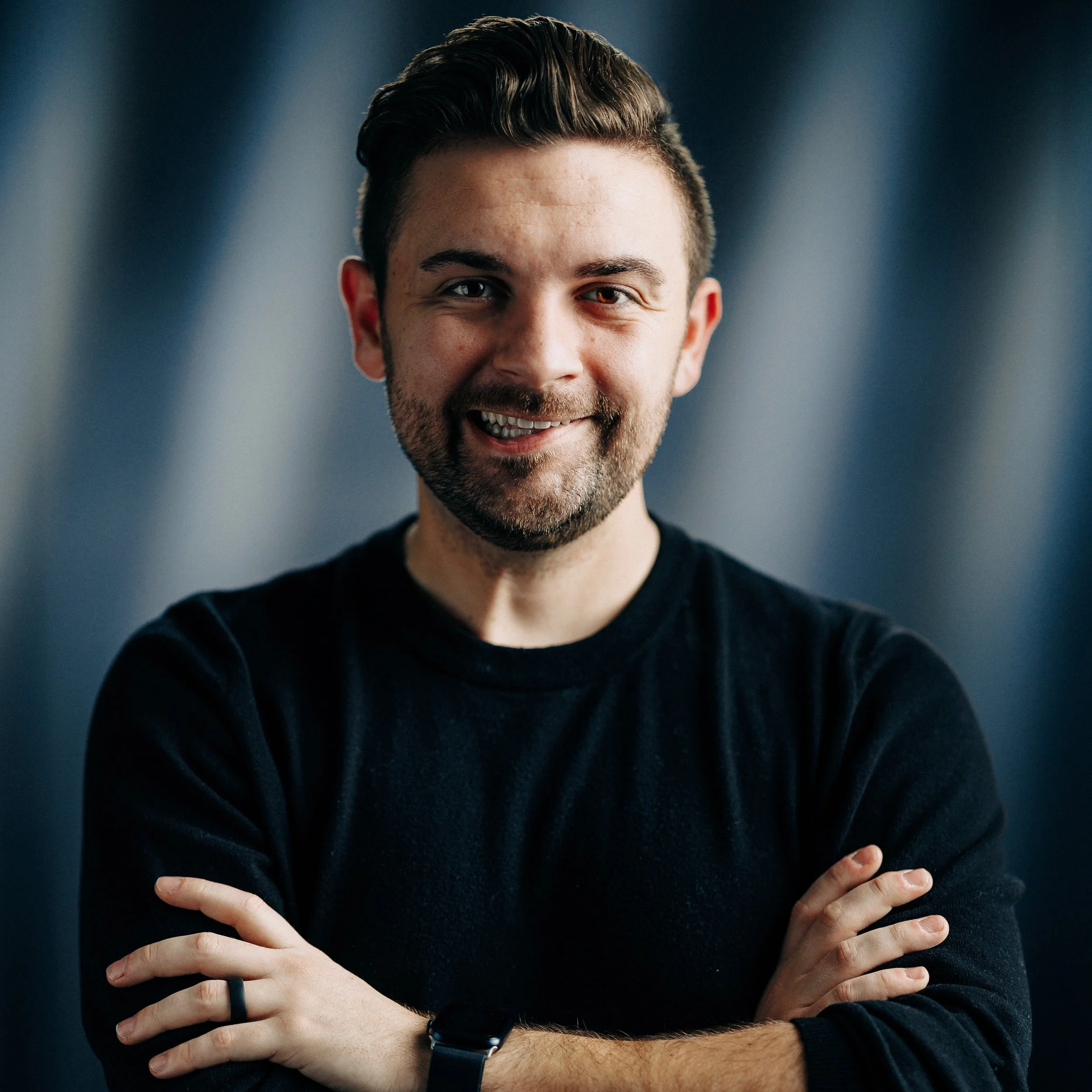
Moderator & Co-Host Dylan Mitchell
Dylan is the Brand Strategist, Creative Director, and Founder of DM.supply. He’s passionate about helping churches, nonprofits, and businesses of all kinds build brands that are clear, meaningful, and built to last.
Find Dylan on LinkedIn at: https://www.linkedin.com/in/dylnmtchll/
DM.supply Website:
https://www.dm.supply

Primary Contributor & Co-Host Todd Tuthill
Todd is the Managing Partner of Rincon Aerospace - A consulting company guiding aerospace companies to exceptional.
Todd is an aerospace executive and systems engineer with more than three decades of experience designing aircraft flight control systems
Find Todd on LinkedIn at: https://www.linkedin.com/in/toddtuthill/
Rincon Aerospace Website: https://www.Rincon.Aero
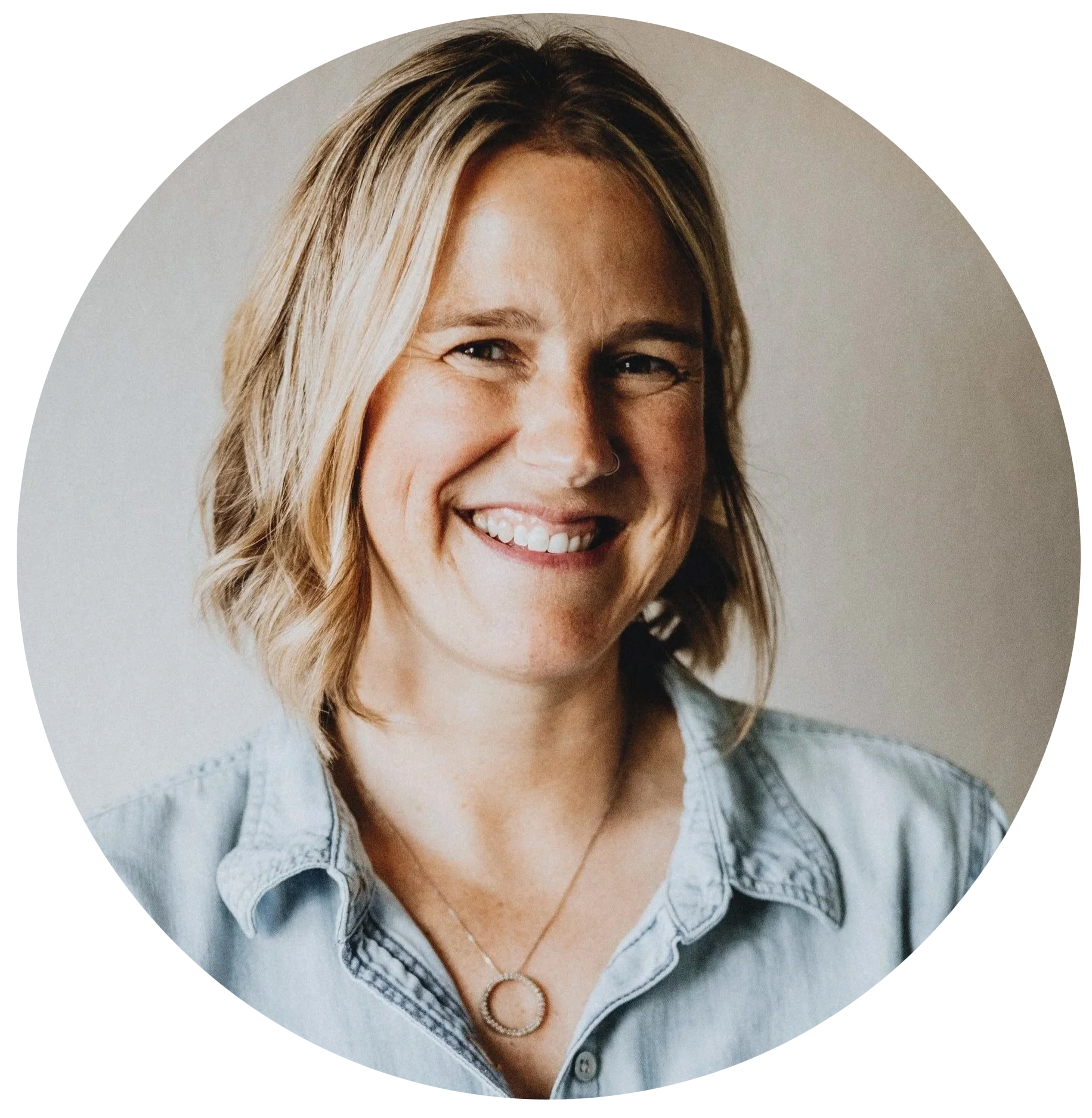
Our Guest: Rebeca Hamlin
Rebecca Hamlin is the owner of Soul Space, an integrative wellness clinic in Tucson, Arizona, where the focus is on treating the whole person—body and mind. For over fifteen years, Rebecca has worked with individuals, adolescents, and adults across diverse settings, helping them move forward with confidence and clarity.
As a Licensed Clinical Social Worker, Rebecca specializes in EMDR therapy, a highly effective approach for processing trauma and breaking free from limiting patterns. Rebecca is also trained in the Daring Way, based on the research of Dr. Brené Brown on vulnerability, courage, and self-worth. Rebecca earned a Bachelor’s in Social Work from the University of Kansas (Rock Chalk Jayhawk!) and a Master’s in Social Work from the University of Nevada, Reno.
Find more about Rebecca and Soul Space Tucson Here: https://www.soulspacetucson.com/
-
Don’t Over Think It - with Rebecca Hamlin - Part 1
Dylan Mitchell
Hey everyone, I'm Dylan Mitchell and this is the Rincon Horizons podcast. to grow, to adapt and to reach the summit over the course of your leadership journey. Our goal is simple, to help you lead better so your organization can climb higher. Each episode I'm joined by my co-host and our main contributor Todd Tuthill managing partner of Rincon Aerospace. Todd, great to be back on with you.
Todd Tuthill
Dylan, it is fantastic to be back on with you. Episode number five, I'm really excited. people who may be joining us the first time, I'm the managing partner of Rincon Aerospace. We do executive level consulting to aerospace and defense companies. I've been in aerospace for about three decades, seems like a long time. Spent most of my career developing flight control systems for aircraft or designing things that fly, our leading teams that do that. I've held several roles in my career, chief engineer, director of engineering, vice president.
But enough about me. Let's get to our guest. I know you're going to do a formal introduction, but I'm jazzed. I'm excited. We finally get to do the thing we promised on our very first episode. We said, this is not going to be about aerospace. And if you listen to our first four episodes, they were a lot about aerospace, know, which, which, which, which is fine. But I'm pretty sure today we'll not focus on aerospace. It's going to be cool, exciting. We're going to talk about entrepreneurship. We're going to talk about other cool things.
Dylan Mitchell
That's right. That's right.
I would be shocked if we touch aerospace.
Todd Tuthill
I would too, but we've just done it. So walk away from that. But I was thinking, we don't charge for this podcast, I think if we did, today's podcast is going to be worth the price of admission. So without further ado, get on with our introduction, Dylan. I'm excited.
Dylan Mitchell
Well, like you said, Todd, and like we have said from the beginning, Rincon Horizons is that leadership leadership doesn't just show up in high performance flight teams or combat It shows up in therapy rooms and small businesses, churches and families. today's conversation is about a different kind of pressure. The pressure that leaders put on themselves, because building something meaningful shouldn't cost you your health, your relationships or your soul.
Our guest today is Rebecca Hamlin. She's a licensed clinical social worker and founder of soul a wellness center in Tucson, Arizona. That's focused on integrated mental and physical health. Rebecca, welcome to Rincon Horizons. We're so glad you're here with us.
Rebecca Hamlin
Thanks guys. I'm really grateful for the opportunity.
Dylan Mitchell
Before we get the leadership, you want to give listeners context here? What is Soul Space? What problems does it what exactly is it that you've built?
Rebecca Hamlin
As you mentioned, I'm the owner of Soul Space, an integrative holistic wellness center, and we're based right here in Tucson, Arizona. We launched in 2020, so sort of bad timing right before the pandemic and everything shut down. I spent several years working in the mental health field prior to that, and over time I just started to recognize how limited traditional therapy is in addressing challenges people face.
An example of this I always share is when I'm stressed, I may go to therapy, but I also may go for a hike or take a yoga class or grab coffee with a friend. All those things are great options and all meaningful and supportive in different ways. But as a therapist, what I realized is that I could only offer this, one piece of what my clients needed. And that really pushed me to expand this vision of what mental health looks like and, how we can serve our clients and started to rethink what support looks like and how to build something integrative and comprehensive. There was a lot of things converging at the same time.
I was reading a great book called The Body Keeps the Score. And I was learning how the body impacts the mind and the mind impacts the body. I was also working in Reno, Nevada at this ⁓ residential eating disorder facility. It was this beautiful integrative holistic team. I was working with endocrinologists and primary care doctors and nutritionists and massage therapists. It was this multidisciplinary team and I couldn't understand why something like that didn't exist in an outpatient center or an outpatient ⁓ practice setting. And so a few years later I decided to launch Soul Space and I looked for something. I couldn't find it so I decided to start it.
Todd Tuthill
That's fantastic, you've done what I think a lot of people listening to this podcast and people producing this podcast, myself included, are trying to do. You've started a successful business. This is frankly, one of these podcasts I just want to listen to if I wasn't moderating, but tell us about starting that business, deciding to work for yourself. know you got a staff of, think more than 20 people now, and talk also about as you grew.
At what point did you realize you needed to let go of the day-to-day control and delegate leadership to other team members? How did you take that journey? I guess we'll give you points for starting in COVID and not going away. kind of incredible right there that your business could survive that. But how did you grow? did your business grow? And how did you grow along with it?
Rebecca Hamlin
I'll say this, entrepreneurship, feels like it runs in my blood. If there's a gene for it, I probably have it. My grandpa owned his own business, my parents owned theirs. I think there's always been this instinct to build something new and different, ⁓ to meet a need that doesn't currently exist. I've noticed in my life, there's this pattern, pioneering things. That's always been consistent throughout my career.
And I think for me, starting a business just felt like the most logical as I mentioned, I wanted to be part of a wellness practice and I had this vision in my mind and I couldn't find it. And so I decided to create it. In terms of leadership, I've actually always been surrounded by incredible people who have helped me lead. I think from day one, I'm pretty deeply relational.
That's a huge part of my career and my life. I think it's just more fun to build things with friends. So collaboration has actually been part of the process from day It really started that way. But I'd say this, about a year and a half ago, I hit a point where I felt pretty stretched, stretched pretty thin and a little burnt out. And I had a business coach at the time and she really encouraged me to develop a leadership team.
As we've grown, that team has grown. We have about six people on our leadership team right now. Making that shift where they lead different departments and they lead different teams has made a huge difference. They all have distinct roles and now it feels like there's really a team to carry that vision with me.
Todd Tuthill
You said something interesting I'd like to follow up on. You talked about working with friends. I struggle with that myself in business. There's friendships, there's family and there's business. Do you have any advice about that, about working with friends, about how to make that decision? it good enough just to work with a friend?
How qualified does the friend need to be? Is there a time when it gets really uncomfortable with the friend? I'm not asking you to name names or anything, but kind of talk through that, because it sounds like you've worked through that in your business about working with friends and maybe family.
Rebecca Hamlin
Those are great questions. actually, so fun fact, my daughter works for me as well.
Todd Tuthill
That sounds difficult, I don't know.
Rebecca Hamlin
But she's incredible and I knew that hiring it was an easy decision. I do think it probably makes things a little bit more messy, I would say, for sure it can.
I have a really high bar for hiring.and bringing people onto the team I think regardless of whether they're a friend or a family member, that standard remains. I don't think I would change that standard to hire someone. That's really important. I also think she doesn't report to me. So I think that's important too, to have some structures where she has a different boss and she's accountable in the same ways that everybody else is, but to someone different than myself.
But I've had a lot of luck, both with hiring friends and with my employees becoming friends. I know that's probably a bit of an unpopular opinion. Sometimes in leadership, we think we should keep our distance. But I think it's actually so much more fun to be relational and to have connection and community when you're building something like this.
Dylan Mitchell
I think in a follow up question to that, how do you build guardrails into it? when do you have to take off the fun friend leader hat and put on the I have to make a hard decision leader hat?
Rebecca Hamlin
That's a good question. I had one of my best friends work for me for a long time, five years actually, she recently moved on and in that that transition process, we had to have a lot of those questions like, can I just talk to you as a friend or we just have a moment where we're talking about business? I do think communication, making sure those lines of communication are making sure, I think it was important to hire people that would be honest with me as well, that there was really clear communication, that there was a healthy relationship in place. feel strongly that you can make it work, but you do have to have hard, honest conversations at times.
It's certainly messy at times, but like my daughter I mentioned works for me, she has worked here for a year and a half. And she's just an incredible addition to the team. It can work. I think it's just making sure, like you said, Dylan, that there's some guardrails and boundaries and that there's different levels of leadership that makes a big difference too. So that it's not just me.
Todd Tuthill
Any other advice before we get off the entrepreneur topic for other people starting businesses, trying to be successful about anything you can think of, marketing, advertising, leadership, anything under the sun.
Rebecca Hamlin
I do think, and this is different because we do have a team of 20, but I think that leadership team has really shifted some things for me really significantly where I can operate in this CEO visionary role, which is where I'm strongest. And I think most entrepreneurs fit in that box where I can set direction and think strategically where I can cast vision. That's really hard when you're stuck in the day to day weeds.
Leaders can take some of that support role and admin role where they're doing some of that detail work that I'm actually not very good at at all, where I can stay in that CEO role, which I really appreciate. I think The other thing, I talk to people all the time, just sharing this yesterday with somebody who want to start a business and they just overthink it.
I think there is a healthy amount of impulsivity needed to start a business. I actually don't feel like I have any rare gifts or special talents. I think what sets me apart is I have a a risk tolerance and that I'm a little bit, impulsive and I will just try and I'm not afraid to fail.
We need to prepare, we need to think through things, but I just have seen overthinking kill a lot of good ideas. A lot of good ideas, a lot of good plans, a lot of good business opportunities. I think overthinking can kill that.
Todd Tuthill
I know we're early in the podcast, Dylan, but that may be the title right there. Don't Overthink It. I'm thinking that maybe that's true about titles too. Don't Overthink It. That's a really good advice.
Dylan Mitchell
And I think that's it.
Rebecca, Soul Space, as your organization has grown, culture kind of stopped being accidental and started being intentional, ⁓ is what I would imagine. For leaders listening who are working on scaling is either something you design or something that drifts.
How important would you say culture and values at Soul Space are? And then practically, I guess, is kind of a follow-up question. ⁓ How did you define them, protect them, reinforce them as you added people onto the team?
Rebecca Hamlin
It's a great question. I feel like it's really timely too, because for we've been doing that work since day one. Culture has been important, but in the last six months, we've doubled down on what this looks like. I've just been in the details of that right now, both myself and my leadership team. We've tried to be really intentional about how to grow in this area.
We're in the mental health field, I think if we're going to talk about well-being with integrity, we have to live it. Which means creating an environment where staff are taken care of, people, not just productivity, but people are the priority, people can thrive. And just over the past year, I had to face the reality that there were some team members that weren't the right fit, weren't the right culture fit. They didn't align with our values. That created some, important necessary shifts.
And at that point, we really started to double down how to get clear on our values. It wasn't a dramatic overhaul. We consolidated our values from seven down to four. We clarified them. We turned them into verbs, which I think is really important. That's an important thing that people miss sometimes with values because the reason they need to be verbs is they need to have behaviors attached to them. You need to feel like it's really clear on what this looks like in practice.
That was important for us to clarify what aligns. We wanted to know what behaviors align, what behaviors don't. We operationalize them across the entire organization. We've embedded them in everything. Staff meetings, annual reviews, hiring, promotions, bonuses, everything you can think of.
They're not words on a poster or on the wall for us. It really is this lens that we use to make every decision. And I see as my role as the visionary and the CEO, I see my primary role as protecting those values, protecting the culture, taking care of my team members. I don't think there's anything more important in terms of my responsibility to take care of that.
Dylan Mitchell
I think listening to you talk, you mentioned previously, don't overthink it. And I think just even hearing you talk about vision and values and culture building, kind of consolidating down from seven to four, I think you said that right there, that in you don't overthink it. And that's really good advice.
Todd Tuthill
Rebecca, I'm guessing you've worked with several business leaders. We have lots of business leaders that listen to this podcast. And I think about business, I think about the struggles and things they're going through, maybe the damaged relationships that they create, because maybe they're really good at their business, but being so good at that has swung the pendulum so far to the direction of the damaged relationships, they've damaged their physical and mental health. I'm guessing you've talked to a lot of people like that. maybe a two part question.
Can you talk about some of the warning signs leaders can look for when they're getting into that gray area of I've crossed the line, I'm hurting myself or my relationships, what should we look for? And then once we're there, how do we fix it? What do we do about it?
Rebecca Hamlin
Great question. I love working with leaders. I've worked with a lot of people who feel burnt out and exhausted. And I wish that people were willing to do some work on the front end to create these guardrails and these boundaries ahead of time. So think that would make a huge difference. It's not over though, if you feel like you're in that space of being exhausted and burnt out, there's still some opportunities to intervene at that point.
There's a lot that you can do though proactively for your mental health, your spiritual health, your physical health so you don't get to that place. That's really important. When I was starting a business, a lot of people would tell me that you have to work 60 hours a week and I just have never really subscribed to that. I don't feel like it's healthy. I don't feel like it's gonna make you the best leader that you can be. It's certainly not gonna be good for your family and for your own soul.
So I think, setting some things up in place at the very beginning, probably. If you're just starting out, that's a good place to start. If you do feel like you're in that place where you're exhausted and burnt out, I think some of the things that I encourage are having some real boundaries around availability. That's probably the biggest thing that I see is people feel compelled to be on all the time and their team is contacting them all hours of the night, on the weekend.
Slack, I think, is kind of terrible for people's health and mental health because they're just constantly on those kinds of things are real problematic So figuring out some boundaries where we aren't checking our email constantly where we're not always being texted. Communicating those with your team so that they know what's the healthy times to connect you or reach out to you the right times to connect and reach out I think learning to delegate
I was thinking about this just this morning is that having a business is like having a baby. There's a lot of control and it's hard to give up control.
Todd Tuthill
Okay, so maybe you would know, I don't know that Dylan and I would know that,
Rebecca Hamlin
It's like having a kid, maybe I would say. Not a baby necessarily, not having the baby. Having a kid in that I feel like I have two kids and then I my business, I three kids. And I do feel like that it's challenging to give up control.
And I think that's where a lot of leaders get burnt out and exhausted is they don't want to give up control because they know that they're going to do it the right way. But you have to learn to hire people you trust to delegate things, to let other people do things. I think that's really, really important.
And then I think just creating some rhythms for faith. I think there are times that I don't get to the office till about 10 a.m. because I go to the gym in the morning and that's really not ideal in some ways. It's a non-negotiable for me that I get that in, I probably could do it at 5 a.m., but who wants to do that? So yeah exactly. Those are non-negotiables.
I think Sabbath, I'm a big believer whether you're a person of faith or not that Sabbath is really important having a day where you completely unplug some of those rhythms can make a huge difference and aren't huge changes but would really make a significant difference if people are feeling like their health or their relationships are taking a hit.
Dylan Mitchell
That's all the time we have for this episode, but this conversation isn't anywhere close to being done. We're going to pause here though, and we'll pick it up on the next episode. Huge thank you to Rebecca for joining us today and Todd, as always, thank you so much. If you want to learn more about Rebecca and Soul Space, you can find her at https://www.soulspacetucson.com/. Every episode of Rincon Horizons, we unpack the decisions and disciplines that shape us as leaders at work, at home, and everywhere in between. Our goal is simple, to help you lead better so your organization can climb higher.
If today's conversation challenged you, share it with someone who's carrying more than they should. You can find more about Rincon Aerospace or connect with Todd using the links in the show notes or at Rincon.Aero That's R-I-N-C-O-N.aero. I'm Dillon Mitchell. You can learn more about my work at dm.supply. Thanks for listening and we'll see you next time on Rincon Horizons.