

Don’t Over Think It - with Rebecca Hamlin - Part 2
The Rincon Horizons podcast is where we talk about what it means to reach the summit on your leadership journey. We want to help you lead better so your organization can climb higher. Todd and Dylan welcome licensed clinical social worker, therapist, and owner of Soul Space Tucson, Rebecca Hamlin.
-
Dylan Mitchell and Todd Tuthill welcome licensed clinical social worker Rebecca Hamlin to discuss the realities of leadership and entrepreneurship on the Rincon Horizons podcast. As the founder of Soul Space, Rebecca provides practical advice for leaders struggling with burnout, stressing the necessity of establishing firm boundaries. She advocates for prioritizing personal rhythms, such as morning gym routines and a weekly Sabbath, to sustain long-term mental and spiritual health. She encourages people to “Don’t Over Think It” when deciding to start a business. She believes that it takes a healthy amount of impulsivity to start a business.
-
Don't overthink your ideas: A healthy amount of impulsivity is necessary when starting a business, as overthinking can kill good opportunities.
Turn core values into verbs: Values should not just be words on a wall; they must have clear, actionable behaviors attached to them.
Grow at a sustainable pace: Say "no" to rapid expansion if it means sacrificing your personal well-being, working 60-hour weeks, or damaging your team's culture.
Set firm availability boundaries: Protect your mental health by limiting constant communication on platforms like Slack or email during off-hours.
Prioritize non-negotiable rhythms: Make time for physical and spiritual well-being, such as a morning gym routine or taking a full day off to unplug (a Sabbath).
Aim to be 1% better every day: Building something meaningful takes time and patience, requiring what she calls a "long obedience in the same direction".
-
Rincon Aerospace: https://www.Rincon.Aero
DM.supply: https://www.dm.supply
The Culture Code by Daniel Coyle: https://a.co/d/06DT8W6h
Strong Ground: The Lessons of Daring Leadership, the Tenacity of Paradox, and the Wisdom of the Human Spirit by Brené Brown: https://a.co/d/0dlXxhnb
Dare to Lead: Brave Work. Tough Conversations. Whole Hearts by Brené Brown: https://a.co/d/0cVuiQ29
The Leadership Podcast with Craig Groeschle: https://www.life.church/leadershippodcast/
The Main Street Leader Newsletter by Lee Cockerell: https://www.cockerellacademy.com/msl
Tommy Clark - Compound Content Studios:
LinkedIn: https://www.linkedin.com/in/tclarkmedia/
YouTube: http://youtube.com/@tclarkmedia
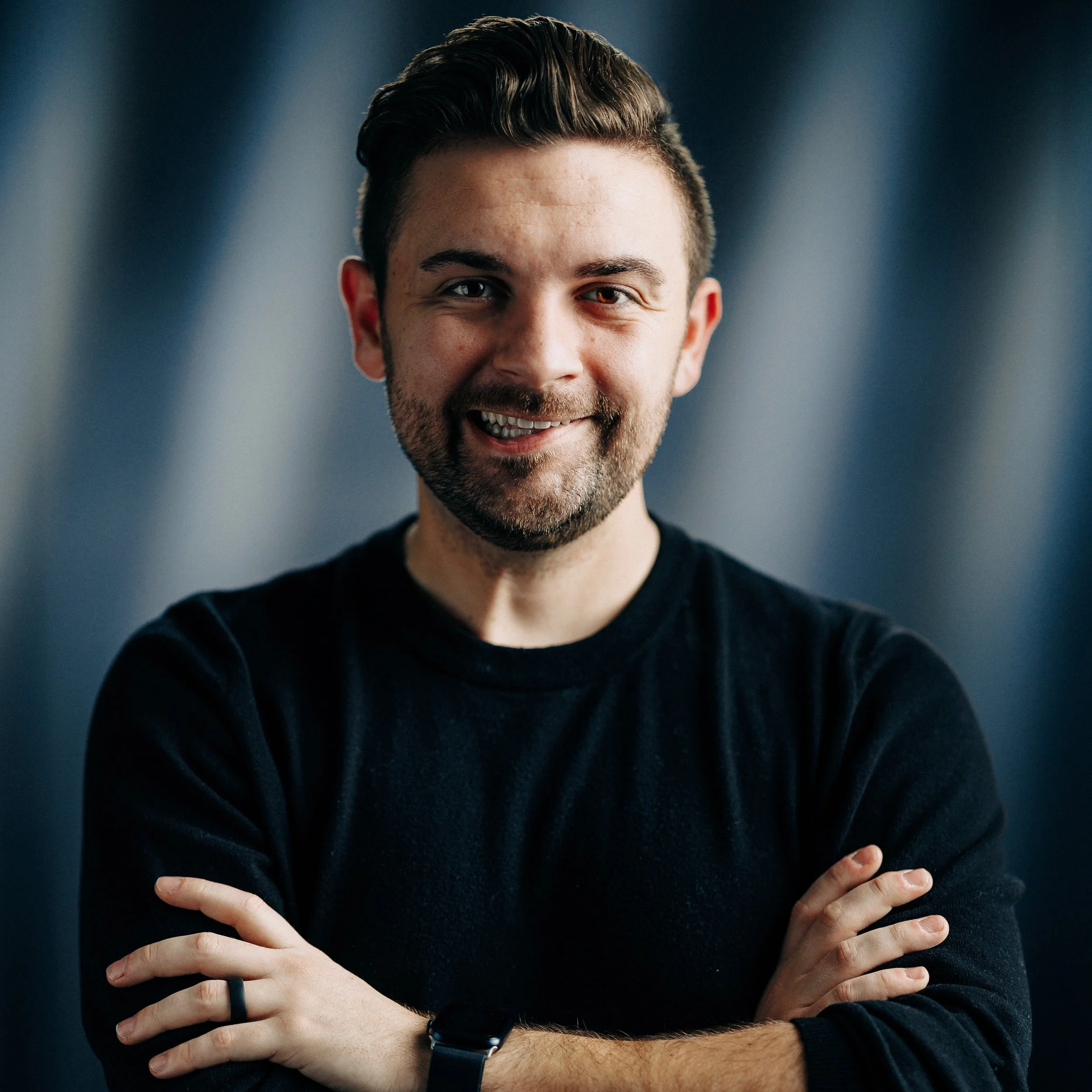
Moderator & Co-Host Dylan Mitchell
Dylan is the Brand Strategist, Creative Director, and Founder of DM.supply. He’s passionate about helping churches, nonprofits, and businesses of all kinds build brands that are clear, meaningful, and built to last.
Find Dylan on LinkedIn at: https://www.linkedin.com/in/dylnmtchll/
DM.supply Website:
https://www.dm.supply

Primary Contributor & Co-Host Todd Tuthill
Todd is the Managing Partner of Rincon Aerospace - A consulting company guiding aerospace companies to exceptional.
Todd is an aerospace executive and systems engineer with more than three decades of experience designing aircraft flight control systems
Find Todd on LinkedIn at: https://www.linkedin.com/in/toddtuthill/
Rincon Aerospace Website: https://www.Rincon.Aero
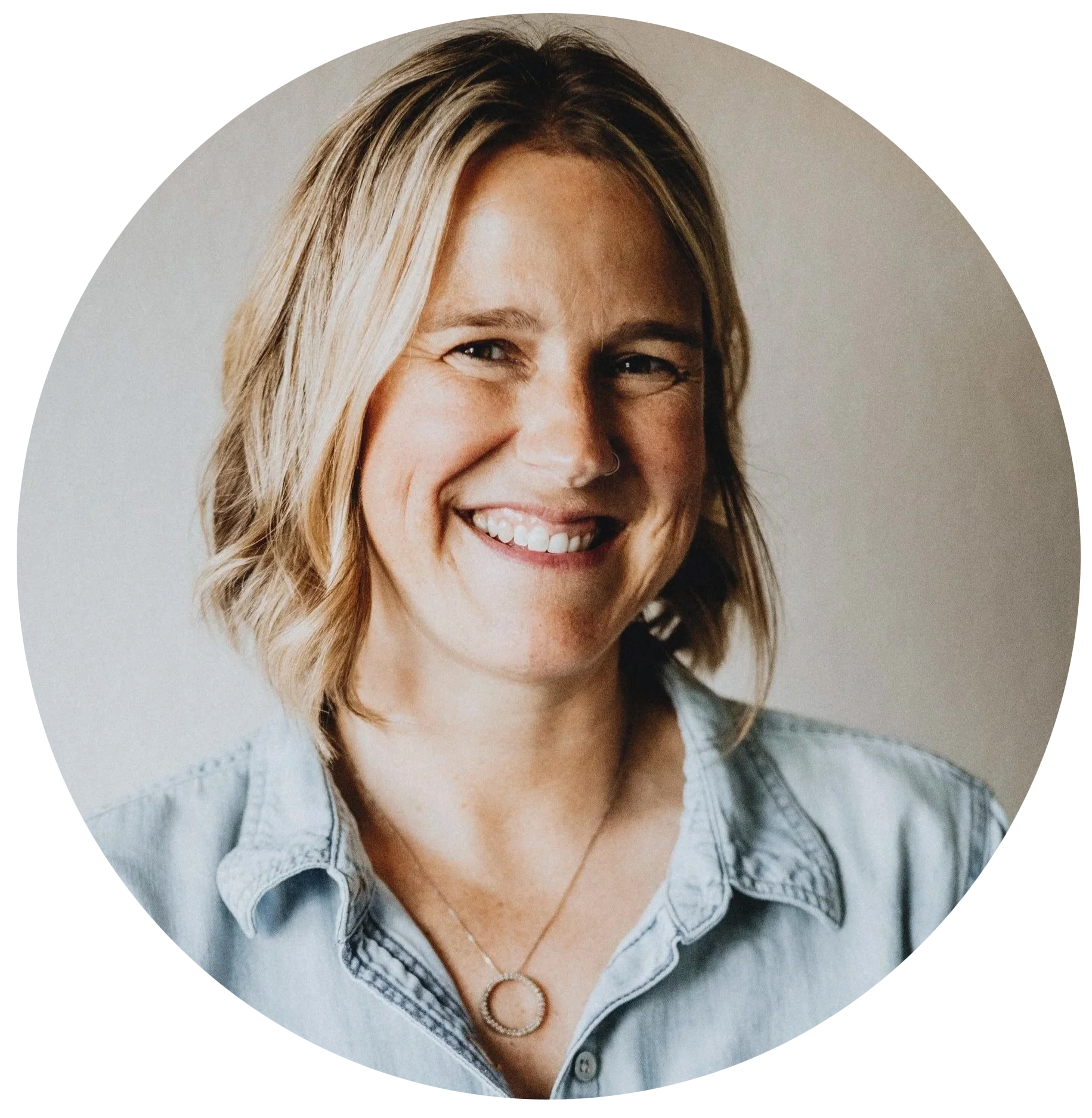
Our Guest: Rebeca Hamlin
Rebecca Hamlin is the owner of Soul Space, an integrative wellness clinic in Tucson, Arizona, where the focus is on treating the whole person—body and mind. For over fifteen years, Rebecca has worked with individuals, adolescents, and adults across diverse settings, helping them move forward with confidence and clarity.
As a Licensed Clinical Social Worker, Rebecca specializes in EMDR therapy, a highly effective approach for processing trauma and breaking free from limiting patterns. Rebecca is also trained in the Daring Way, based on the research of Dr. Brené Brown on vulnerability, courage, and self-worth. Rebecca earned a Bachelor’s in Social Work from the University of Kansas (Rock Chalk Jayhawk!) and a Master’s in Social Work from the University of Nevada, Reno.
Find more about Rebecca and Soul Space Tucson Here: https://www.soulspacetucson.com/
-
Don’t Over Think It - with Rebecca Hamlin - Part 2
Dylan Mitchell
Hey everyone, I'm Dylan Mitchell and this is the Rincon Horizons podcast. This show is about leadership to help you grow, to adapt and to reach the summit over the course of your leadership journey. Our goal is simple, to help you lead better so your organization can climb higher.
We're picking up right where we left off with Rincon Aerospace managing partner Todd Tuthill and Rebecca Hamlin, licensed clinical social worker and founder of Soul Space, a wellness center in Tucson, Arizona.
Todd Tuthill
You talked about priorities and things earlier. I had maybe a practical question for a piece of advice I was given when I started my business was you're gonna have to say no to a lot of things. Can you talk about as you started your business, as you're getting this going, you're setting boundaries and guardrails, what are some of the things you had to say no to?
Rebecca Hamlin
One of the things I think off like right off the top of my head is there were opportunities to expand quickly and we did not take that route. If I compare, I think there are other people that expanded a lot quicker than I did. We've done a slow, steady approach. And I think part of that is I wasn't interested in working 60 hours a week. That was a big thing. ⁓ I didn't want to expand so fast that it felt like it was at the detriment of my own health or relationships.
Sometimes it's even that just saying we're not ready, we don't have the team in place, I'm not ready to make that sacrifice. Some of it is different services that feel like they would really cost more than maybe the return on the investment. I think staying really focused on what's best for our culture, what's best for our team, sometimes means saying no to a lot of other things.
Dylan Mitchell
Rebecca, if I can, I wanted to go back. You said slack and it made me I have some slack PTSD. I don't know if you've seen it. There's this little NFC device that's called brick and a lot of people stick it on their fridge. It basically bricks your phone. So you have to be at home to unlock certain functions of your phone. And some people have another one at their office. unlock certain things at the office that you don't want to use that stuff.
What are your thoughts does it take something like or any of these other platforms to do that? Or I guess is there value in learning to do the hard work yourself and discipline yourself versus buying this $99 device that does it for you because you're not really, building any habits with that. You're just making it physically inaccessible, I guess.
Rebecca Hamlin
Here's what I'd say about that. There's a book called Atomic Habits, one of my favorite all-time books. And one of the things he says is the people that are the most they create an environment where they don't have to practice self-control. That is the reality. The stats around phone use specifically are pretty compelling in terms of our addiction with our phones. I actually think things like Brick are brilliant.
I had an app, can't remember what was called, maybe ClearSpace where you had to do squats and pushups before you opened social media. I think anything you do like that, is awesome. Because the reality is, it is such an addiction, you need to work to break that addiction of just picking up your phone or even on the weekends, sometimes I'll notice it, don't need to check my email, I'm not expecting anything, nobody expects me to be available and yet sometimes I just sort of flip it open. Anything that disrupts that habit is really positive.
Dylan Mitchell
That is very interesting because I've recently purged social media and I was like, social media is gone. I won't be on my phone, but now it's Saturday morning and I'm checking my email. Why am I habitually just opening the mail app? ⁓ Right.
Rebecca Hamlin
Exactly. Yeah. Cause you, like you need something to do on your phone. Yeah. I gave up Instagram, I think for Lent last year. And then I found out I just had a. Substack addiction after that. I think you just figure something else out.
Dylan Mitchell
We've talked about mental health and we've talked about physical health. ⁓ But as we're going into this conversation more, think that leadership is holistic, at least in my opinion. So in addition to leading Soul Space, what our listeners probably don't know unless they know you by name, you serve on the teaching team at Pantano Christian Church. How does your faith shape how you not in theory so much, decision making, hiring boundaries, conflict, even how you counsel your clients maybe.
Rebecca Hamlin
Well, I'll say this. I think it's important for entrepreneurs to have side hustles. I think that's really, really important. We usually get into this because we're creative. And I think most entrepreneurs that I know have a tendency to get a little restless. I am on the teaching team at Pantano. I think that's been a good outlet for me to flex a different muscle and to do something different. I think most entrepreneurs need something like that.
A little bit of an aside, but I think that's important. I think in terms of faith. Absolutely my relationship with Jesus is central to how I lead and even why I do this work It's the primary reason behind my desire to build a business that serves both the community and our team that I feel so passionate about that Because more than anything I want to make a difference. I want to love our community Well, I want to love our staff. Well, that's certainly core to my faith.
And as my role has shifted into more of that CEO visionary role, I do less client direct My staff is who I get to really live that out with. I want to create this life-giving environment where our employees are supported and valued and truly thrive. But I think what's interesting about in terms of my vision for business is my staff are not all Christians. It is not a Christian, explicitly Christian workplace. It's really never been my vision.
In my heart my passion has always been about building bridges, which means often walking alongside people who don't share my faith. I'm not even marketed as a Christian therapist. Soul Space isn't a Christian business. And of course my faith is foundational for me. And my hope, my greatest hope is that the way that I love and lead reflects Jesus well. But it's a messier approach, I think, to hold that tension and to lead from a place of faith without imposing it.
To really honor a diverse team. think those are things that I feel like I have a really unique opportunity to really be Jesus in a secular workplace. And I'm grateful for that opportunity, but it is a little bit different in that it is not explicitly Christian work environment. I don't hire just Christians. I'm not marketed as a Christian therapist. So I think those things make us different and unique.
Dylan Mitchell
How would you recommend to someone who's, maybe that's not, it's not the same tension, but they are kind of holding that dueling fates how do you in a healthy way, hold that tension and not let the tension become overwhelming?
Rebecca Hamlin
I think that's been a difficult thing to walk out. So I don't know that I have any like brilliant advice to be honest. I just think a lot of prayer, a lot of prayer, a lot of inviting God to lead me to give me wisdom. To love people well. I prefer it. It's the environment I prefer because I really do feel called to support people of all different faiths.
But it takes a lot of wisdom and a lot of grace. And I think just seeking God pretty consistently. I feel like if I have a business partner, it's Jesus in this, I feel I'm constantly asking for His help. I think that's a big part of it leaning on him and trusting Trusting that process that relationship.
Dylan Mitchell
When you count people on your leadership team, is He one of the six or is he honorary seven? How's that work? Awesome. Thank you so much for that insight. Really appreciate it. One of the segments, hopefully you've had a chance to listen to the show a couple of times before we convinced you to come on.
One of the segments that we come back to every episode is something we call the leadership corner. And it's this chance to step away from titles and talk about a moment that actually shaped how you lead. It doesn't have to be a highlight reel. It could be a failure, a turning point, or even just a hard lesson. When you think back on your leadership journey, is there a moment that changed how you show up today?
Rebecca Hamlin
I thought of so many to be honest truthfully it is always more failure than success that I think shapes us. That's honestly just the best leadership lesson is that it's not in those wins always that were changed. It's most of the time it's the struggle and the challenges. Just about six months ago we had some staff leave and it was a moment for me, an opportunity I think for me.
And it was tough because it was an incredibly difficult season, not just for the team. Culturally, there was this shift, but just also for the bottom line. And in the bigger picture, it was best for the outcome, but it forced me to take a really honest look at what needed to change and where I personally needed to grow as a leader. I think there was some opportunity to take some feedback, to make some shifts and some changes.
In the environment, in the culture, I think in my own leadership. And actually for our team, that experience is what prompted many of the shifts that we made around values that we talked about earlier. And for me personally, it became an opportunity to lean on my leadership team, to really invite some honest feedback, to keep learning, to trust the process, but it was not easy. And in many ways, I feel like it was a moment of failure, like honest failure in some ways and some things that I could have done differently and changed and I think our business is so much stronger now because of how we've pivoted as a result.
Dylan Mitchell
That was going to be one of my questions as you were talking was, is this timeline kind of tracking the same timeline when you refine those visions and values? So just to kind of hear you talk a little bit about that and hear how that's been a positive impact even in the face of what you would describe as some kind of failure. That's awesome.
Todd Tuthill
I wonder, we haven't talked much about the financial side of the business, you painted a picture that quite frankly makes me want to come work for your company. It sounds like a great place to work, although I have zero qualifications of any kind, so I won't be sending my resume. But you talk about the environment, how do you balance environment, that great place to work, with the fact that you've got to make money too? How does that happen?
Rebecca Hamlin
We are not a nonprofit. We do very much want profit. And I'm, honest about that with my team, we're a business, we're trying to change the bottom line. We want to make money. And I think those two things do not have to be separated. I think we can take care. In fact, I think the ROI on taking care of people and having a healthy culture it's strong.
When we as we take care of people My belief is as we invest in people and we treat people right that that will positively impact the bottom line I think there's no doubt of that I see those two as not being mutually exclusive that they very much feed on each other and that creating a place we've had people stay here for a long time I've had several for four years a couple for five years So we have a solid base of people that have been here for a long time.
And I think the reason that people want to stay is because they know they're going to be treated well here, that this is a healthy place to work. And they want to be part of that. They want to be part of building something. So I think you can do both. It's not always easy, but I don't think you have to sacrifice profits or productivity for culture and values.
Dylan Mitchell
She just gave us another line. Don't, I'm already overthinking it.
Todd Tuthill
I think she did. She's given us, I know I'm overthinking it too. There's so many good clips we can pull out of this. It's gonna be fun to edit.
Dylan Mitchell
As we're rounding the corner, as it were on this we've expanded this next beyond books. We were calling it book recommendations. ⁓ and I, know, Todd and I had some conversations, it's pretty apparent that leaders don't just learn from books anymore. podcasts, newsletters, blogs.
I just, I really believe that input shapes Todd I wanted to start with you in this segment. What's a blog a podcast website newsletter maybe even a tick tock or it could be a book that you've been learning from lately.
Todd Tuthill
Let me state the problem and what I'm doing to fix it. If you're like me, you're trying to start a business, you're working, I'm using LinkedIn for some of the ways I try to reach, especially around this podcast to try to get that out. And if you have worked with LinkedIn over the past year, you've noticed the algorithms have changed. And what worked on LinkedIn a year ago doesn't work at all right now. So I've been looking for good advice on that. And I found somebody called Tommy Clark.
He's the CEO company called Compound Content Studio, who's had some really good advice. If you're like me, you're struggling to get traction on LinkedIn, look up Tommy Clark. He has some really good stuff on LinkedIn, some really good stuff on YouTube. I'll put a link in the show notes.
Dylan Mitchell
Awesome. Thank you, Todd. Rebecca, same for you. What's something you've been learning from lately that you'd recommend to leaders?
Rebecca Hamlin
I'm kind of old school, so I do read books. But there's a book I would recommend right now, especially with our conversation around values. It's called The Culture Code, and it is by Daniel Coyle. I can't recommend it enough. It is a fantastic book. And especially if you're sorting through what does it take to invest in the culture, what does it take to strengthen our culture, that's a great start.
Brene Brown came out with book called Strong Ground recently. ⁓ One of my favorite all time leadership books is called Dare to Lead. I'll read anything by Brene Brown.
I also find myself a lot of times recommending the podcast with Craig Rochelle, the leadership podcast with Craig Rochelle. There's great nuggets and you can get it in about 15 or 20 minutes just on your morning commute. That's a great podcast as well.
Dylan Mitchell
Thank you. We'll drop links to all of that in the show notes as well.
Todd Tuthill
Dylan, what about you? What have you been in lately?
Dylan Mitchell
This is one that I've actually been on since probably college I guess but it's a resource From a guy named Lee Cockerell the former executive vice president of operations at Walt Disney World He's led of the scale most of us are not gonna really experience. But what I really appreciate about this newsletter is how practical it is. It's called the Main Street Leader. Each issue ⁓ has some pretty clear leadership lessons from his experience. It's got actionable items ⁓ for customer service practices that you can take and apply immediately. And then a focused monthly theme aimed at strengthening culture, which is fun since we're talking about culture here.
And then one thing I really like that I was noticing just as I was thinking about why I liked also shares a little micro piece inside of the issue called Lessons from My Mother. They're personal stories that shaped how he leads. It's kind of what we do with the leadership corner segment on Rincon Horizons. simple, disciplined leadership input if you're building a team shaping culture, I think it's definitely worth your time. This one's not a podcast if you've got 15 minutes, 10 minutes to read through it, definitely worth your time.
So Todd, before we wrap up, any final thoughts you'd want to leave with leaders who are listening today?
Todd Tuthill
First off I want to thank Rebecca. I know she's a very busy person. Rebecca talked about Pantano Christian Church. Dylan, you and I haven't talked about this, I don't think. That's how we met. All three of us were part of Pantano Christian Church. I still am. I've known Rebecca for quite a while. So thank you so much for coming on, sharing your insight with leaders. And I just keep going back to your thought on don't overthink it. I think that's good advice for me, good advice for everybody. So I want to say thank you for coming on and sharing all your advice, Rebecca. We really appreciate it.
Rebecca Hamlin
Absolutely. Thanks for having me.
Dylan Mitchell
I would be remiss if I did not say that Rebecca is also my wife's personal hero to my wife constantly says she wants to be when she grows up. Thank you, Rebecca, for being on today.
Rebecca Hamlin
Shout out to Melissa, she's amazing.
Dylan Mitchell
Rebecca, I want to do this with you. We do it with all of our guests. We'll give you the last word. Any final thoughts you'd want to leave with leaders who are navigating growth or culture shift right now, maybe for leaders who are listening, who are building something, especially those who feel stretched thin, maybe what's boundary habit or mindset you would challenge them to adopt?
Rebecca Hamlin
When I was thinking about this, I thought of a quote by a man named Eugene Peterson, he talked about a long obedience in the same direction. I love that idea of a long obedience in the same direction because so often I think as entrepreneurs, as we're building something, we get impatient we start doubting the process. We want things to move faster. We start comparing ourselves to someone else.
I think it's a good reminder that anything worth building takes time. Takes consistency. It takes effort. The real work is to just keep showing up, to keep doing the right thing, to practice patience. There's this idea of just getting better, 1% better every day. It doesn't feel like much in the moment, but over time that those small steps, those small changes, those small shifts start to add up. When you look back, you really realize that you've built something incredible.
I think just getting 1 % better, long obedience in the same direction, making sure to stay the course, don't give up, and I think you'll be really proud of what you had the opportunity to build.
Dylan Mitchell
Thank you so much, Rebecca. As always, thank you, Todd, and thank you to everyone listening. Before we wrap up, if you want to learn more about Rebecca and Soul Space, you can find her at https://www.soulspacetucson.com/. Every episode of Rincon Horizons, we unpack the decisions and disciplines that shape us as leaders at work, at home, and everywhere in between. Our goal is simple. We want to help you lead better so your organization can climb higher.
If today's conversation challenged you, share it with someone who's carrying more than they should. You can find more about Rincon Aerospace or connect with Todd using the links in the show notes or over at Rincon.Aero. That's R-I-N-C-O-N.aero. I'm Dillon Mitchell. You can learn more about my work at dm.supply. Thanks for listening and we'll see you next time on Rincon Horizons.