

Keep A Servant's Mindset with JP Nauseef - Part 1
The Rincon Horizons podcast is where we talk about what it means to reach the summit on your leadership journey. We want to help you lead better so your organization can climb higher. Dylan and Todd welcome JobsOhio President and CEO JP Nauseef to the podcast.
-
This episode of the Rincon Horizons podcast features a discussion with JobsOhio President and CEO JP Nauseef. JP details how Ohio’s unique privatized economic development model funds strategic business investments. The conversation emphasizes Ohio’s pivotal role in the modern aerospace and defense sectors, highlighting the state's efforts to attract innovative companies like Anduril and Joby Aviation by utilizing its robust supply chain and manufacturing workforce. Ultimately, the episode serves as a guide for leaders navigating complex growth strategies while maintaining a "servant’s mindset" to achieve long-term success.
-
The JobsOhio Model: J.P. explains the unique structure of JobsOhio as a private, nonprofit economic development organization.
Ohio’s Aerospace Heritage and Innovation: The discussion highlights Ohio’s deep aerospace roots—from the Wright brothers to Neil Armstrong—and its current role hosting major entities like Wright-Patterson Air Force Base and NASA Glenn.
JobsOhio’s Strategic Industry Growth: The conversation covers how Ohio is attracting cutting-edge companies like Anduril, Joby Aviation, and Sierra Nevada by offering a robust supply chain, a large manufacturing workforce, and specialized testing centers.
JP’s Leadership Philosophy: In the "Leadership Corner" segment, J.P. emphasizes the importance of a "servant’s mindset," advocating for leaders to serve their mission and teams while sharing credit and acknowledging mistakes.
-
JobsOhio: https://www.jobsohio.com
Rincon Aerospace: https://www.Rincon.Aero
DM.supply: https://www.dm.supply
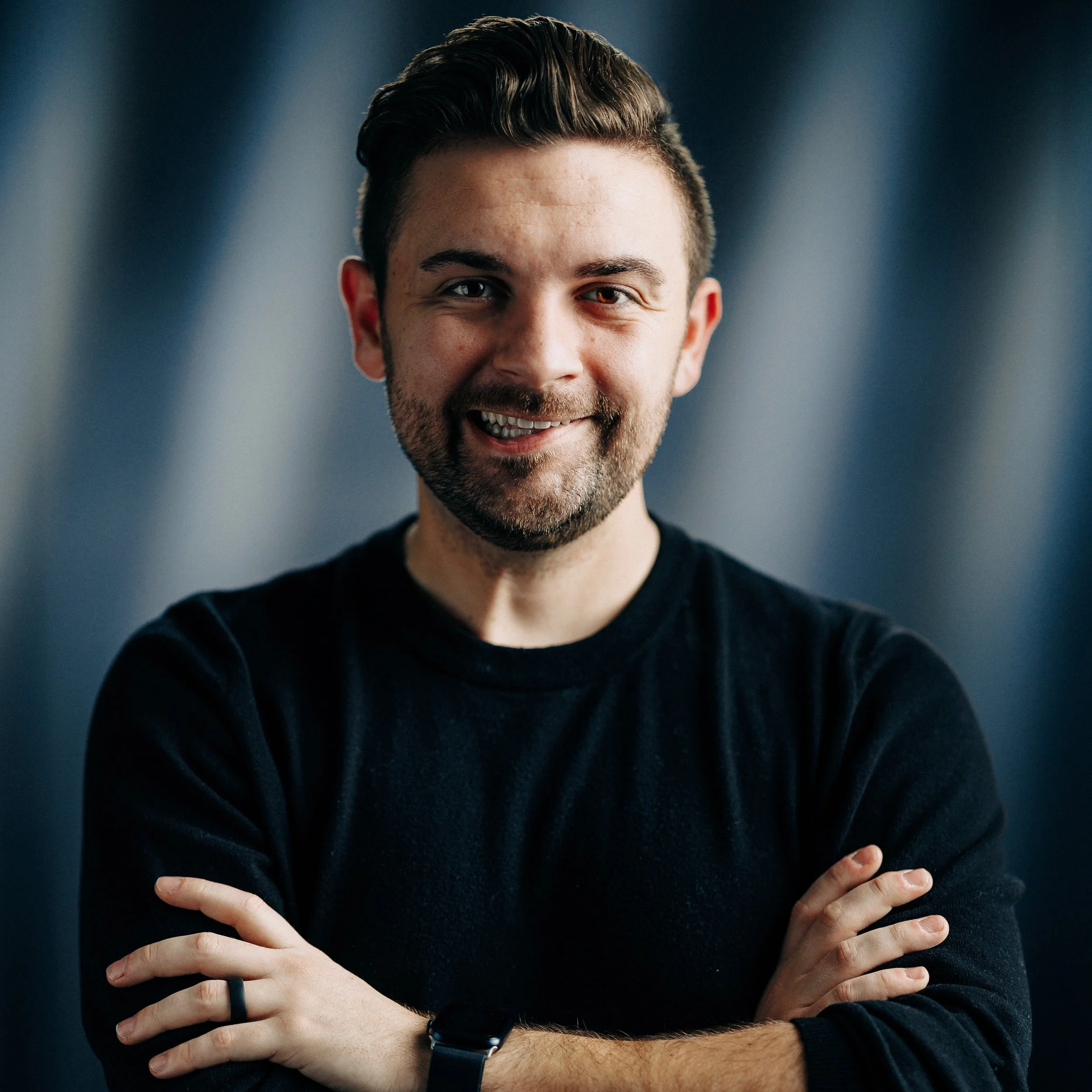
Moderator & Co-Host Dylan Mitchell
Dylan is the Brand Strategist, Creative Director, and Founder of DM.supply. He’s passionate about helping churches, nonprofits, and businesses of all kinds build brands that are clear, meaningful, and built to last.
Find Dylan on LinkedIn at: https://www.linkedin.com/in/dylnmtchll/
DM.supply Website:
https://www.dm.supply
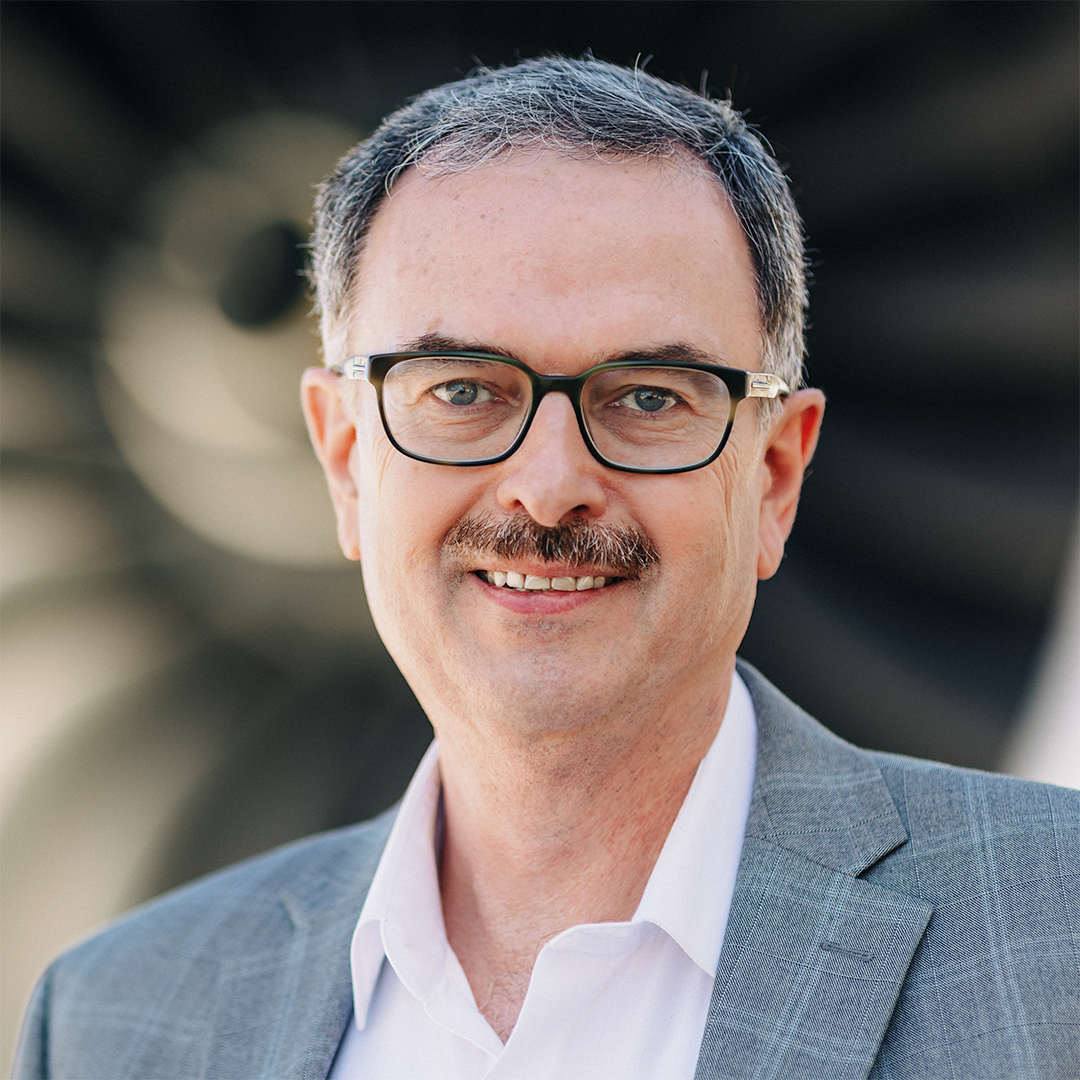
Primary Contributor & Co-Host Todd Tuthill
Todd is the Managing Partner of Rincon Aerospace - A consulting company guiding aerospace companies to exceptional.
Todd is an aerospace executive and systems engineer with more than three decades of experience designing aircraft flight control systems
Find Todd on LinkedIn at: https://www.linkedin.com/in/toddtuthill/
Rincon Aerospace Website: https://www.Rincon.Aero
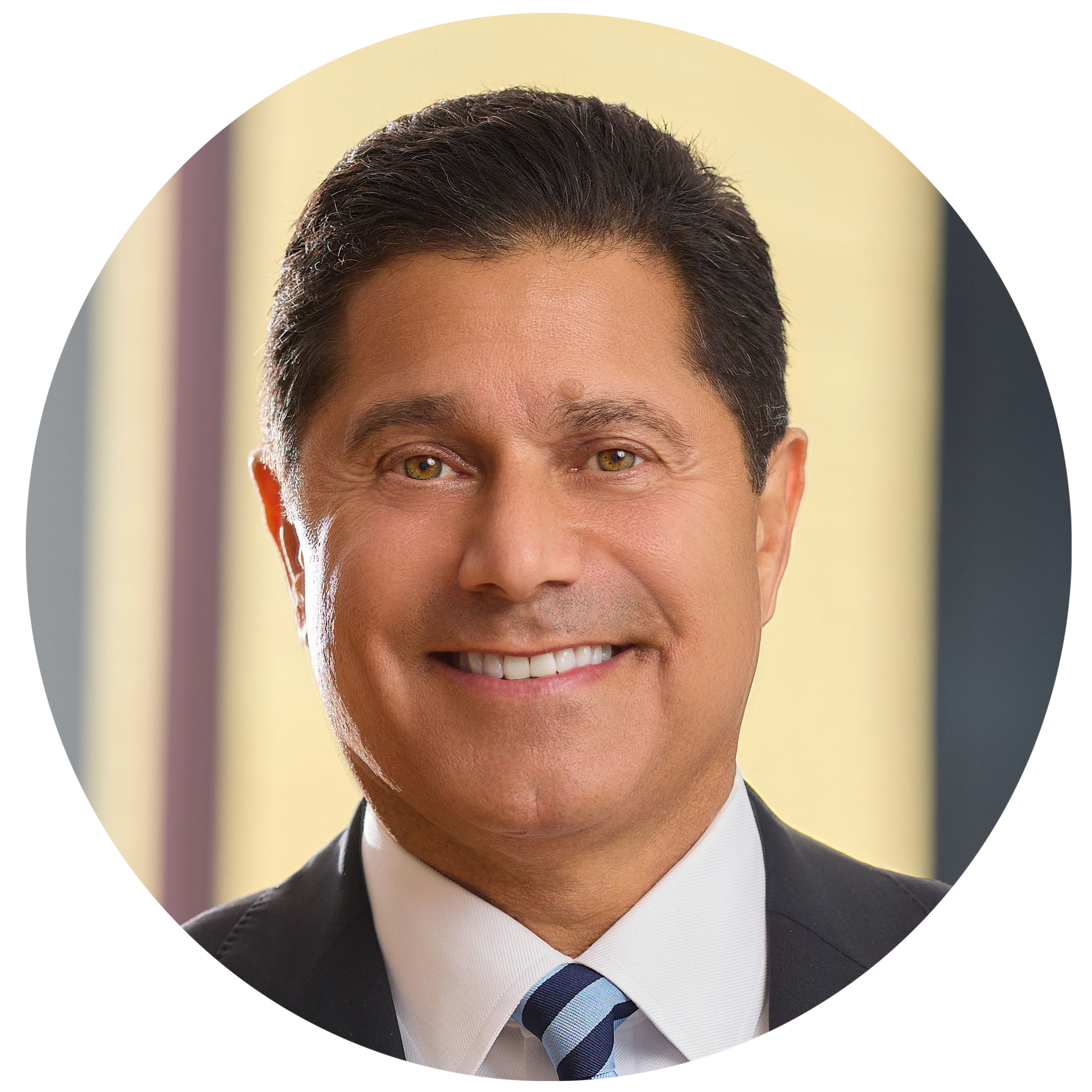
Our Guest: J.P. Nauseef
J.P. Nauseef is President and CEO of JobsOhio, the state’s private nonprofit corporation for strategic economic development investment and job creation.
Before joining JobsOhio, JP was Executive Chairman and Co-Founder of Krush Media, a full-service digital advertising and data company, was President & CEO of the Dayton Development Coalition, a management consultant for Deloitte, and served 8 years on active duty as a US Air Force officer.
JP earned degrees from the University of Dayton and the University of Southern California and was inducted into the Ohio Veterans Hall of Fame in 2024. He and his wife Carmen have 4 adult sons.
Find JP on LinkedIn at: https://www.linkedin.com/in/nauseef/
-
Keep A Servant's Mindset with JP Nauseef - Part 1
Dylan Mitchell
Hey everyone, I'm Dylan Mitchell and this is the Rincon Horizons podcast. This show is about leadership, what it really takes to grow, to adapt and to reach the summit over the course of your leadership journey. Our goal is simple, to help you lead better so your organization can climb higher. Each episode I'm joined by my co-host and our main contributor, Todd Tuthill, managing partner of Rincon Aerospace. Todd, it's great to be back on with you. And for listeners who may be meeting you for the first time digitally, would you give us a quick overview of your background and how you ended up where you are today?
Todd Tuthill
Thank you, Dylan. Great to be back on the podcasting seat with you too. Looking forward to a really exciting conversation today. For people who haven't met me, I'm the managing partner at Rincon Aerospace. We do executive level consulting for aerospace companies. I'm an industry executive and engineer. I've spent many years of my career developing flight control systems, designing things that fly or leading the teams that do that. I've had several leadership roles in my career, chief engineer, director of engineering, vice president, but enough about me.
I want to get on to a really, really interesting guest and what a privilege it's going to be. We've got somebody with a deep history in aerospace, deep history in the Air Force, but somebody who's really a leader in the industry right now in bringing about all manner of things in aerospace. So let's get on to our guest. can't wait.
Dylan Mitchell
That's right. Our guest today is JP Nauseef He's the president and CEO of JobsOhio, Ohio's private nonprofit economic development organization. Like you said, Todd, his career spans Air Force officer, consultant, entrepreneur, and now leading one of the most aggressive state level growth strategies in the country, especially across aerospace and defense, which we are excited about. JP, welcome to the show.
JP Nauseef
Thanks for having me. Really appreciate that kind introduction.
Dylan Mitchell
Absolutely. ⁓ Would you mind just quickly walking us through your path, how you ended up where you are today?
JP Nauseef
Sure, it was not a linear JobsOhio is an economic development corporation. My background, I grew up in a military family. My mother is an immigrant, my father is the son of immigrants. They both grew up in neighboring small towns in upstate New York. My father went into the Air Force in the early 60s that took them out of that small town. I was born in Germany, again, a dependent military family early years in Washington, D.C. when my dad went to Vietnam and had assignments in the Pentagon. Then we moved to Dayton, Ohio, Wright-Patterson Air Force Base. So that's how I showed up in Ohio. Like a lot of military families, you move from town to town. That had big impact on me being a military family member. Got my education, undergrad, computer science and business at the University of Dayton, a grad school at the University of Southern California. Went into ROTC day program at Wright State University, across town, had an Air Force ROTC program.
And then I went to active duty. Again, don't know that I was seeking a career in the Air Force, but that's what I knew. I watched my father. He, set a great example. I loved the mission and the team and the higher purpose that the Air Force stood for. That time in my life, it really provided some focus and direction for me. It turned out to be wonderful. That took me out west. I did the Air Force space systems. I was on satellite acquisition programs. One of them is well known. It's the Global Positioning in the early to I fully that was in Southern California, I fully intended there to get out maybe live on the beach in Manhattan Beach where I lived.
For the rest of my life, but I our program went well. I got nominated for a position Working as the principal aide to the four-star general that ran Air Force material command and the three-star general that was running space One of my mentors and current advisor general Les Lyles nominated me. I got the position That I thought I'd be back in Ohio. It was great. I love it. in Ohio I thought it would be a year maybe two then I would get out of the Air Force, maybe go to New York, go back to California. And I left, I told my girlfriend the same thing, I'll be there for a year. I went and did that job, it was amazing.
I learned more about corporate Air Force and large enterprise called Air Force Materiel Command and it's how it impacted the supply chain of the Air Force, the acquisition of multiple systems, the research and development they did. I really got to learn. It was amazing. The general was General Butch Viccellio who just passed actually going to his funeral this Friday in Colorado Springs. Just a wonderful, great leader. And then after that assignment, I got out, went and worked for Deloitte because I was leveraging some of my technical and program management background that I had in the Air Force.
And at the time, my then-girlfriend was looking for work in New York. We were either going to New York or Dayton. She found a job in the Dayton area, so she came to Dayton for a year or two. that part of my were starting a family and looking at the next move, was getting a lot of offers. If you remember, it was the dot com era, lots of tech, and my background was, at the time, well suited. And every time my wife and I would look at opportunities, and we were starting a family, we want to accomplish here as a family? We wanted to make sure we could focus on our family, we could have a good quality of life and stability for our family and our children that we wanted to have.
But we also wanted be involved in our community and we wanted to have business opportunities. And it turns out that balance of things were available in Ohio where we live. So we said, let's start out here. That's roughly the same time while I was with Deloitte, the Congress enacted a base closure. And I had been, getting active in my community in Dayton, when I was with Deloitte working with entrepreneurs and startups and the economic development people, which again, heretofore I didn't know what that was, said hey, there's a BRAC, we see you have some Air Force background, we're familiar with your are you interested in helping us put a plan together to help make sure that not only the base is protected?
I talked to my wife and I said, you know what, we care about these things, community, the Air Force, they've done a lot for us. So we said sure. So I entered economic development at regional level at the Dayton Development Coalition, my job was to be the lead on the community's effort around the base realignment and closure effort. And we decided to be aggressive. We said, this is a big enterprise. It's an important enterprise. It's important to the community and the state. We're going to position not only not to close, but to be a receiver site when other bases close to receive missions. And the community stepped up. Community partners contributed resources.
The state of Ohio, at the time led by John Husted was the youngest House speaker at the time and now he's our US Senator in Washington arranged so we had resources to put together a business case for why should Wright-Patterson and Dayton and Ohio be a receiver site. the community rally jurisdictions, whether they were Democrat, Republican, urban or rural, rallied around that, worked together really well.
If you remember, maybe in the early 00s, industry was leaving because of globalization lot of Midwestern states and towns were gutted. And so this was like a last stand, like an Alamo for our community. It was for our community. And I think most Midwestern cities have their own unique story of how this impacted them. Ours, GM left, Delphi left.
Todd Tuthill
It was like life and death, right? Life and death for the community.
JP Nauseef
Frigidaire left, Mead shrunk, Reynolds and Reynolds, and then NCR Corporation, again, founded every cash register in the world, left and went to Atlanta. So we had to rally, and we did, the community did, working with, again, our governor, Mike DeWine was US Senator Mike DeWine at the time. where I learned the intersection of community and such a significant importance to not only the economy, but just to the culture and vibrancy.
As a military dependent, they welcome you coming in when you don't know anyone. You're dependent on them welcoming you. That made a big impact on me. And then the business community, the banks, the accountants, the industry leaders, they know how important it is to the community. And more importantly, think part of the culture of Ohio and Dayton really value that heritage and value service. It's a big part of the culture. It's hard to pin your finger on what that means, but it's just part of what's important and valuable to Ohioans. All that appealed to me. That was a very successful effort, BRAC ended up, know, Wright Patterson has doubled in size and mission importance.
When I was done with that, I ended up running the Dayton Development Coalition for a few years. It was be part of that. I left and went and did some of my own enterprises in Washington. I worked a high net worth family, the portfolio of technology companies. Then I started a couple of my own companies in partnership with other co-founders. But I stayed in touch with our various partners and elected officials and then when right before the 2018 election, I got a call from then Lieutenant Governor candidate John Husted if we win, Mike Dwyane and I would wonder if you'd be interested in throwing your hat in for this and maybe you can do for the you helped do in Dayton and the Dayton region.
I looked at my wife, we had already made the decision we were going to raise our family in Ohio. It was great balance of all the things that we cared about. And we said, we respect both the governor, soon to be governor and John. And we said, let's of course, we'll, we'll join the team. And, and that's how I got here.
Todd Tuthill
Wow, what an incredible career. I think we can make a whole podcast out of because there's so many things I want to dig into. But we're not going to have time in the limited podcast here. We're to move on. Now, it's okay. It's you know, wanted to GPS satellites and all this cool stuff. We could talk about all kinds of things. But I really want to move on to your current gig. You're the CEO of JobsOhio. You've done just incredible things for the state of Ohio and incredible things for aerospace. I really want to know that you've created a unique model for JobsOhio in the state of Ohio and all the things you do with economic development there. Would you talk about that model for JobsOhio? What makes JobsOhio different?
JP Nauseef
Sure. It is a unique model the credit goes to the previous administration. They started JobsOhio. I think they bled they bled the political blood to start out essentially. There's three elements to JobsOhio in my view that make it unique to any one of those elements isn't necessarily unique but the three of them combined make it very unique and it provide Ohio with a proven competitive advantage that we've been capitalizing on as an organization and a state.
First, it's private. It was privatized. The economic development function for a state is typically part of state government, part of the cabinet, cabinet-level position. But that was privatized in 2011 by the previous administration. And the notion is when you're private and it's borne out is you can be agile, you can move quickly. Probably the most important thing, you can enter into negotiations with companies and vendors and partners that you are trying to help grow here, help come here, or all the supporting functions that allow that to happen with speed. And you can do that under non-disclosure, not exposed to sunshine laws of a government. That's very important because we require strategic information, we require financial information because we require a return on the investment. Companies can work with us and they can know we're going to not share their information with their competitors or with the financial markets until they're ready to share it. That's vitally important. And it also lets us keep our highly proprietary playbook, our investment strategies, where we put our chips to create these successful outcomes. We don't want our competitor states knowing what that playbook is. Being private, element number one, very important.
Let me talk a little transparency regarding being private because there's a lot at stake, a lot of resources to be involved in this incentive investment competition that all the states are in. And transparency is important. It's part of our culture. So we publish virtually everything you would want to know or not know about the deals that we do. Just click a red button on our website and you can go find it. We use external party called Candid to assess how transparent we are. For seven years in a row, we've received their platinum designation that puts us in the top 1 % of the tens of thousands of private companies for transparency.
We provide more information than is statutorily required by us because we know we want to share as much as we can without surrendering Ohio's competitive advantage. So private, element one. Element two, funding. Imagine you're private. There's a lot of private not-for-profits out there in fact, the development coalition where I was a decade plus ago is private, but you are constantly raising money for your operations. You're raising member money. You're constantly reminding your members that you're not providing them with a direct service, but you're increasing the pie. a big function. It's important. But when it comes to doing big deals and competing at the speed of business, which is what these businesses need, they expect it to be competitive.
By the time you were to go and raise the amount of incentive investment you needed and did all of the engagement with legislators and others, you lose your element of speed and in some cases you would lose your element of discretion. Again, competitive Ohio is a control state. We control the distribution of spiritus liquors. There's 17 other states like that. And JobsOhio's team in 2013 came up with a brilliant idea number two.
Let's go to the bond markets, raise funds against future of the liquor enterprise and deposit a fair value in the general fund in exchange for operating the liquor enterprise. So we also do distribution for Ohio's Spiritist Liquor Enterprise and we use the profits from that to fund economic development. That's about just shy of a $2 billion business and it kicks off with the time we pay the bondholders and other obligations we have in profit sharing with the state government. We use what's remaining to fund economic development. That allows us to put customized deals together with each company based on what they need and what's gonna produce a return for Ohio. So element number two, funding.
Element number three is the way we go in our team and the way we go in to the markets. we hire people from the private sector to do what typically is a generalist role and economic developers are generalists. They've got great dot connectors, but don't necessarily go deep in the industry verticals where we want to grow a resilient economy. We hire private sector individuals and I think our leadership team has an average industry experience of over 25 years each and we assign them as part of our deal teams and as part of our business development teams so that we're able to customize a deal and we understand the culture, the language and the needs in general of these sector partners and we're constantly doing these deals. They're all curated to that specific need and they all require a return. But it's the team and then we go into the state the way the state is.
The state is not a monolith with one, like a lot of our competitor states are one or two metros, maybe one or two industry sectors that they focus we're the, depending on the year, sixth, seventh, or eighth most economically diverse state in the country. have seven or eight city states are unique. We have three large metros, the three Cs, Cleveland, Columbus, Cincinnati, medium-sized cities like Dayton, Toledo, Athens, Youngstown, lots of great small towns. It makes for a great diverse environment for families and the workforce as well. But we go there through partnerships. just like the Dayton Development Coalition, where I came from in the Dayton region, we have economic development partners in seven regions around Ohio that generally reflect the diversity of our MSAs in Ohio. And we can go from global to local very quickly, because in the end of the day, when a company wants to grow, they want to invest. They invest in an MSA. They don't necessarily, any place in Ohio will be just fine. In some cases, that's true. But they pick an MSA that fits their needs. We work hand in hand.
We align our statewide priorities to the unique priorities of each region through a contract of services where we are the investor and the regional partner. And then we measure them like we would measure any one of our clients or any one of our metrics against our statewide priorities. So those three elements combined that make us very unique. And again, you mentioned earlier, when you're facing decades of out migration and globalization, you learn to work together with regional partnerships, local partnerships, across party lines for survival. And now those relationships are bonded through trust and success. And now we're thriving with those relationships. And it's exciting. The people of Ohio deserve it. It really is a wonderful state where you can have that balance.
Dylan Mitchell
JP, you the question that we asked and you answered every follow-up question I could have asked. Thank you so much for that in-depth answer. When I think about Ohio, I know that Ohio has deep roots in aerospace going back 125 years ago to the Wright brothers and of course, John Glenn, which is super relevant as I consider Artemis II right now. But as amazing as that is what I'd like to focus on is what's happening now. What is JobsOhio doing to move the aerospace and defense industry forward today?
JP Nauseef
It is quite a legacy and a heritage, both on the aerospace and aviation side and the space side. You know, was the new frontier. Ohio was the new frontier. you mentioned Artemis and, of course we have NASA Glenn and NASA Armstrong in Northeast Ohio. Neil Armstrong, from the I-75 corridor. You mentioned John Glenn as well. Many astronauts, current astronauts as well.
And then the bicycle shop in Dayton, Ohio flew the first flight in North Carolina. And then that heritage has lived here ever since. it's very interesting. We talked about these global trends globalization and population migration. where the Wright brothers learned to fly, the Air Force Research Lab grew up. And Wright-Patterson Air Force Base kind of grew around all of that. So all those advancements and the uniformed personnel and the civilian aviators and the people that run that research, development, threat identification, acquisition and maintenance operation have always been there at Wright-Patterson. And it's interesting because they're still there. They've been driving all these innovations, but what's happened over the years as those trends have played out, the decisions would get made through partnerships at that base and then they'd go out west or down south to build it.
And what we're seeing happen right now for all kinds of reasons, you we are supply chain exposure that occurred in where we really became visible, the brittleness of the supply chain during the pandemic, different global events occurring and ⁓ that are requiring us to move quickly and have proximity. What we're seeing now is almost the opposite is occurring. Those entrepreneurs that grew up out West and down South are creating.
Companies like Anduril and innovations in how to implement AI in these aircraft and aviation and manufacturing processes that are modular and move very quickly. And now they're coming here to scale and build it. Whether it's an air taxi with Joby or drones that are really accompanying fighters for the arsenal and Anduril or companies that modify and add avionics and other capabilities to existing aircraft like Sierra Nevada, legacy jet engine companies like GE, they're all benefiting from this supply chain. So what we're doing is making sure we as a state, and again, under the governor's leadership who said that we're gonna be the most military and veteran friendly state in the country and have the tools necessary and the policy necessary to make it easy for people to come here and live in our state.
We're creating tools so we can prepare a site. So a company like Andrill has a roll on, roll off runway. We are advocating in Washington DC with the FAA to make sure we have the NAMC the National Advanced Aviation ⁓ Autonomous Mobility Center of Excellence. So we can have a place where they can test autonomous vehicles like drones right in between Columbus and Dayton in the great town of Springfield. We coalesce and leverage resources and focus on initiatives that make it easy for those businesses to come in. First, make them aware that we're here. It's been decades, of that building has been happening elsewhere. Focus them aware that we're here, that we have the largest manufacturing workforce in the country. It's a highly productive workforce.
We have a full aerospace and defense supply chain here, number one supplier to Airbus, number one supplier to Boeing, GE aircraft here, GE Aviation is right here headquartered in between Dayton and Cincinnati, Wright-Patterson Air Force Base. The supply chain is here, the workforce is here, the university research programs are here, and you can do this all in a place that has an affordable, livable quality of life for your workforce and appreciates values and takes care of your customer in the United States Armed Forces and at NASA. The confluence of the attributes and the global trends are now focused right here in the state of Ohio and we're just making sure the world knows it and that we are competitive when these companies have a choice on where they want to go. We're just laying out the value proposition and bringing them here because it is competitive here.
Dylan Mitchell
That's all the time we have for this episode, but this conversation isn't over. We're going to pause here though, and we'll pick it up in the next episode. Huge thank you to JP for joining us today and Todd, as always, thank you so much. If you want to learn more about JP and JobsOhio, you can find that information at https://jobsohio.com. Every episode of Rincon Horizons, we unpack the decisions and disciplines that shape us as leaders at work, at home, and everywhere in between. Our goal is simple to help you lead better so your organization can climb higher. If today's conversation challenged you, share it with someone who needs it. you can find more about Rincon Aerospace or connect with Todd using the links in the show notes or at Rincon.Aero That's R-I-N-C-O-N.aero. I'm Dylan Mitchell. You can learn more about my work at DM.Supply